Visit my new blog

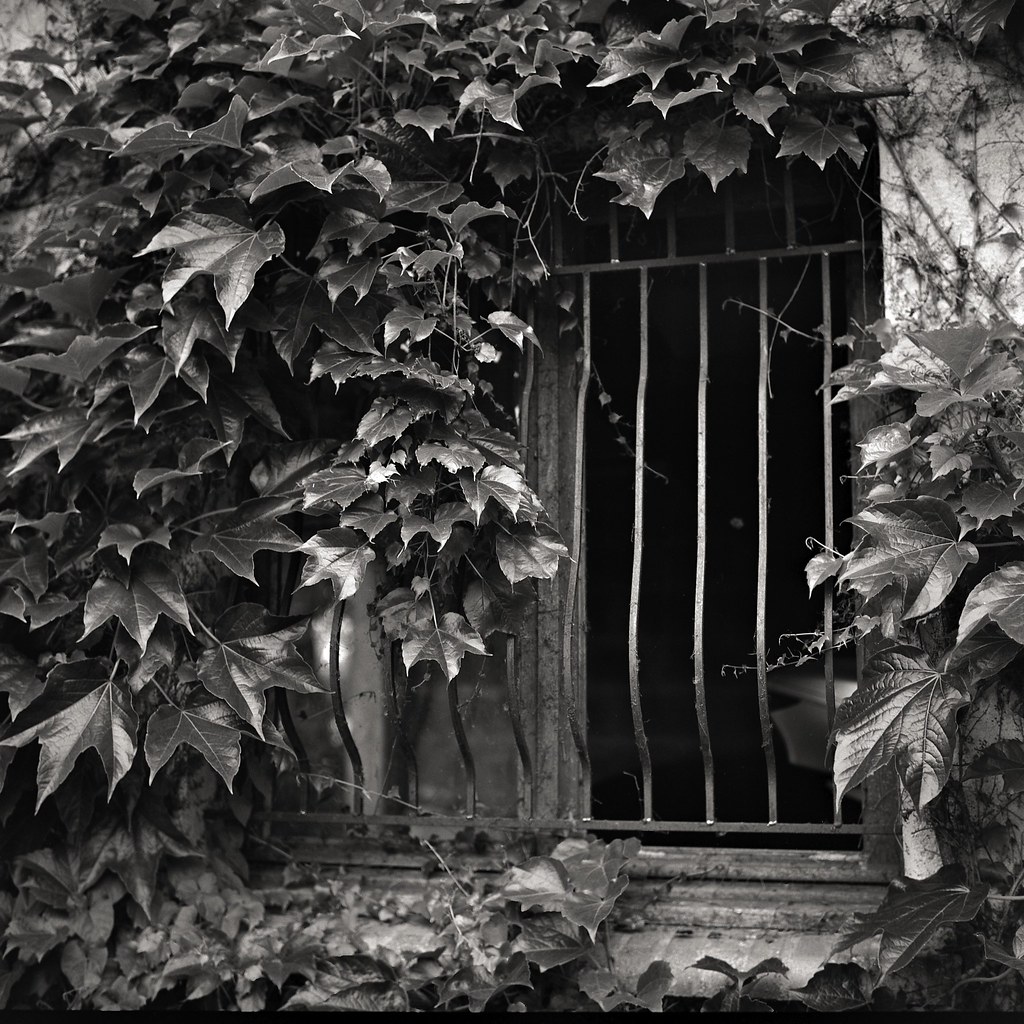
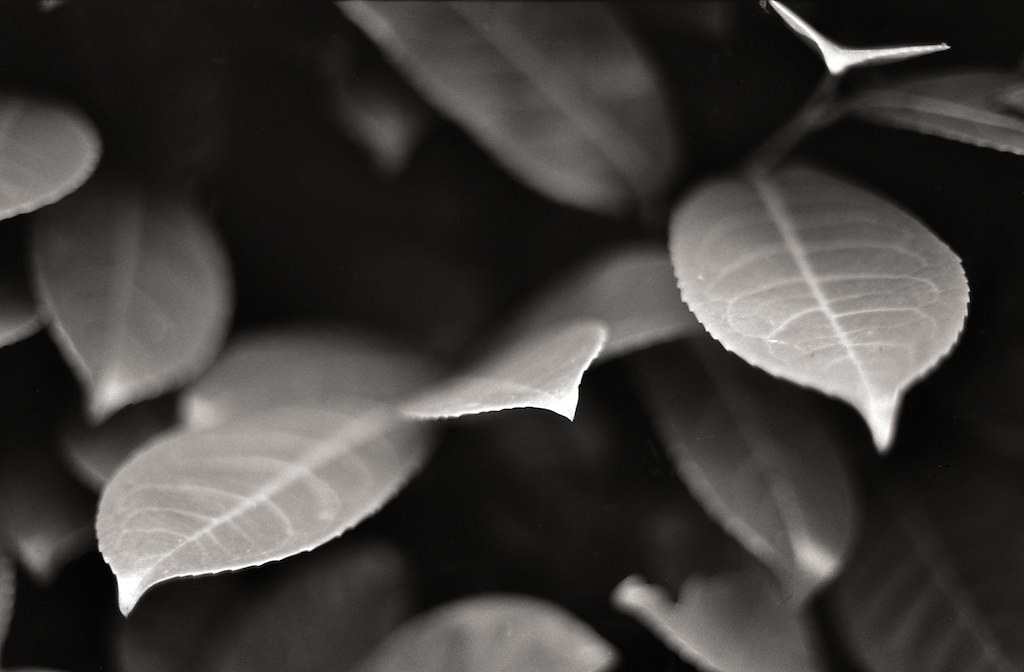
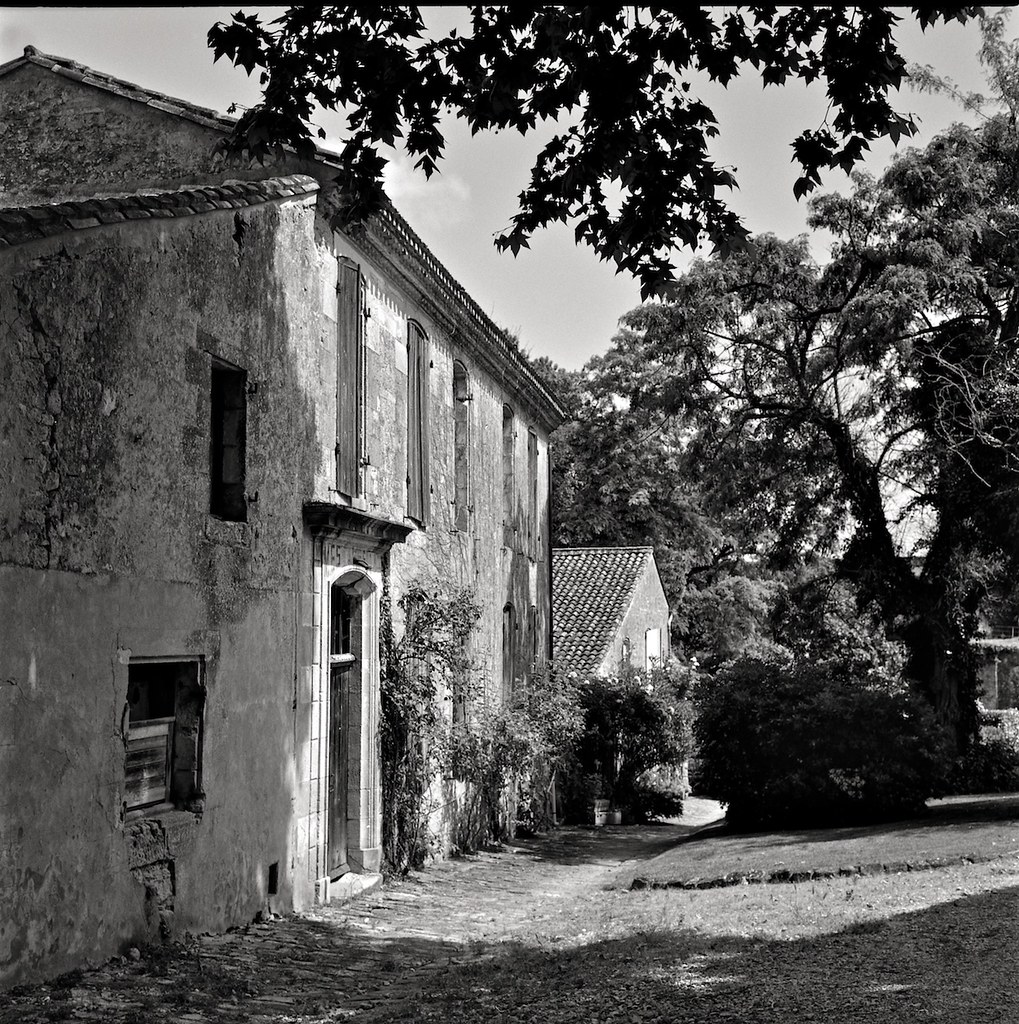
I´ve decided to split my blog in two. I will continue to post DIY projects and musings here, but (serious) pictures, taken on film of course, will be posted in my new blog "Silver Halides"

I now consider Caffenol to be a developer like any else. As such the new blog will focus more on the pictures, rather than the process.

Wednesday, 6 July 2011

Caffenol-C-L and TMX 135

Have not done much 135 film since I started using film again. Used to large negatives and the lovely results this gives you, I thought I'd try to give the smaller format a fighting chance to prove itself against its bigger brother. For that I brought out low pH Caffenol, the C-L version championed by Reinhold over on the Caffenol.blogspot.com

As before, C-C-L mixed by the book:
16g/l Sodium carbonate
10g/l Ascorbic acid
40g/l Instant coffee
1.25g/l Potassium Bromide

5 minute tempered presoak. Semi stand @20C for 70 minutes. 12 inversions initially, 2 inversions at the 1, 2, 4, 8, 16, and 32 minute markers. Let stand for the duration.

Pictures taken from a test roll through the Royal 35-M, EI100 - no filter.

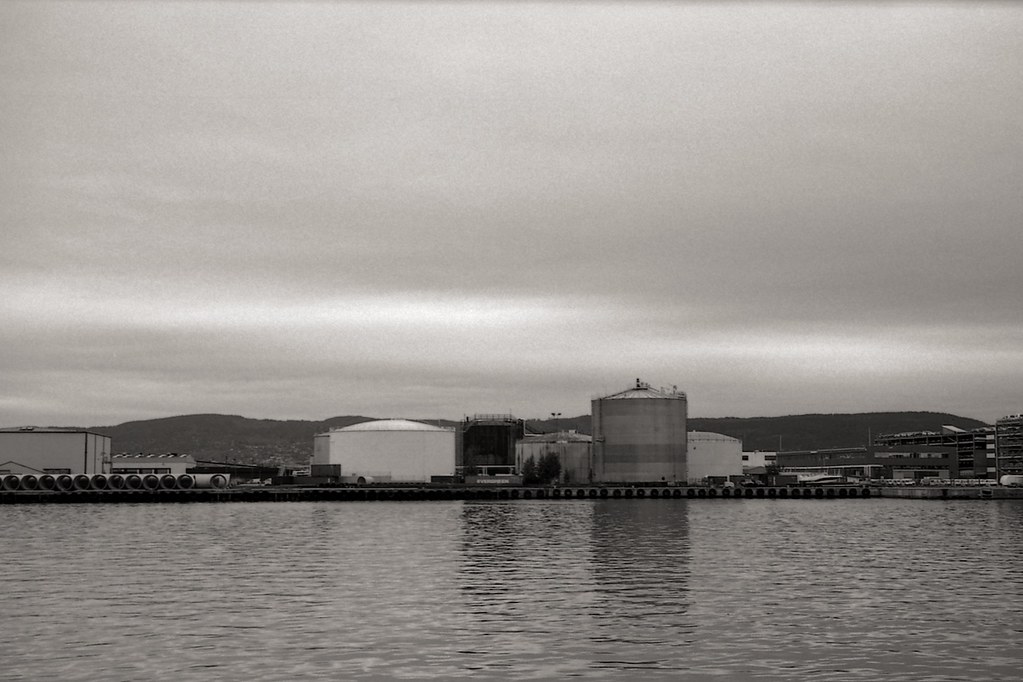
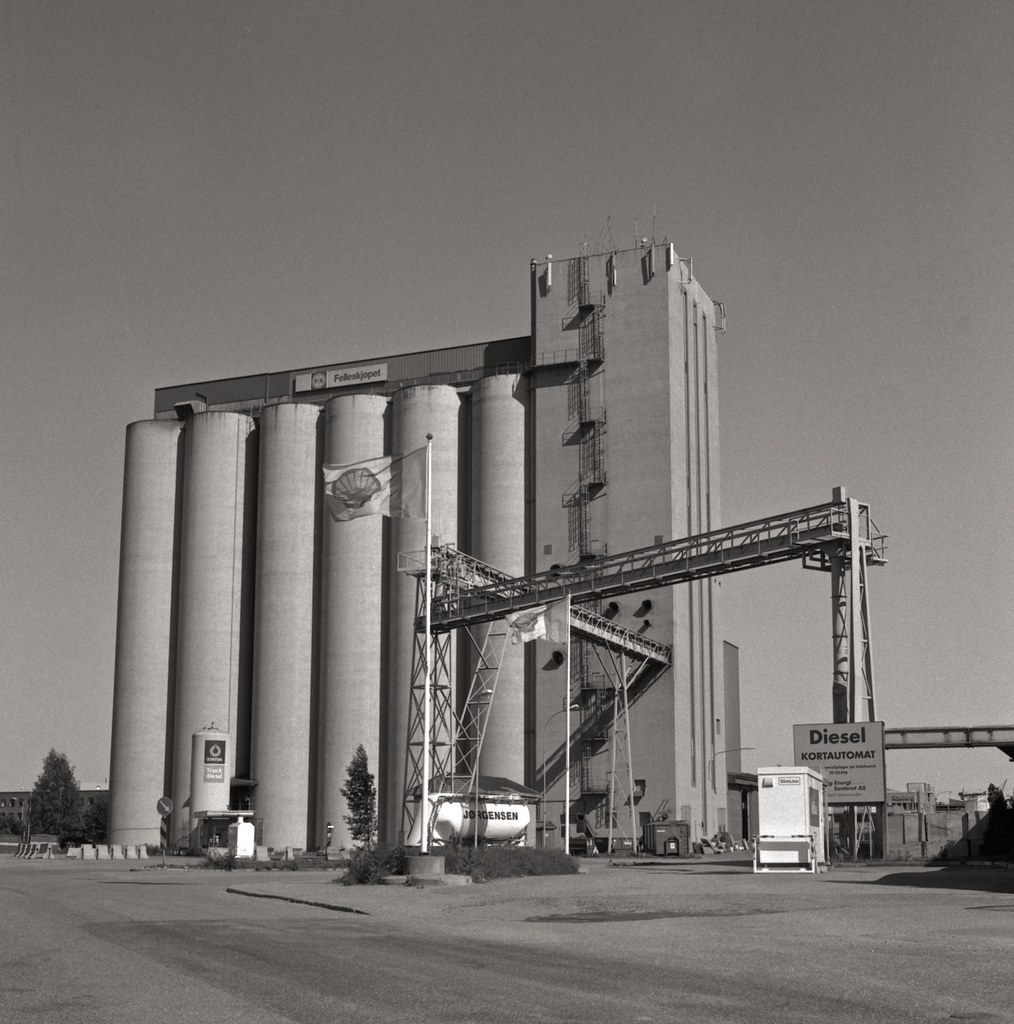
Drammen Docks, Norway, Royal 35-M, TMX, EI100, C-C-L

Drammen Docks, Norway, Royal 35-M, TMX, EI100, C-C-L


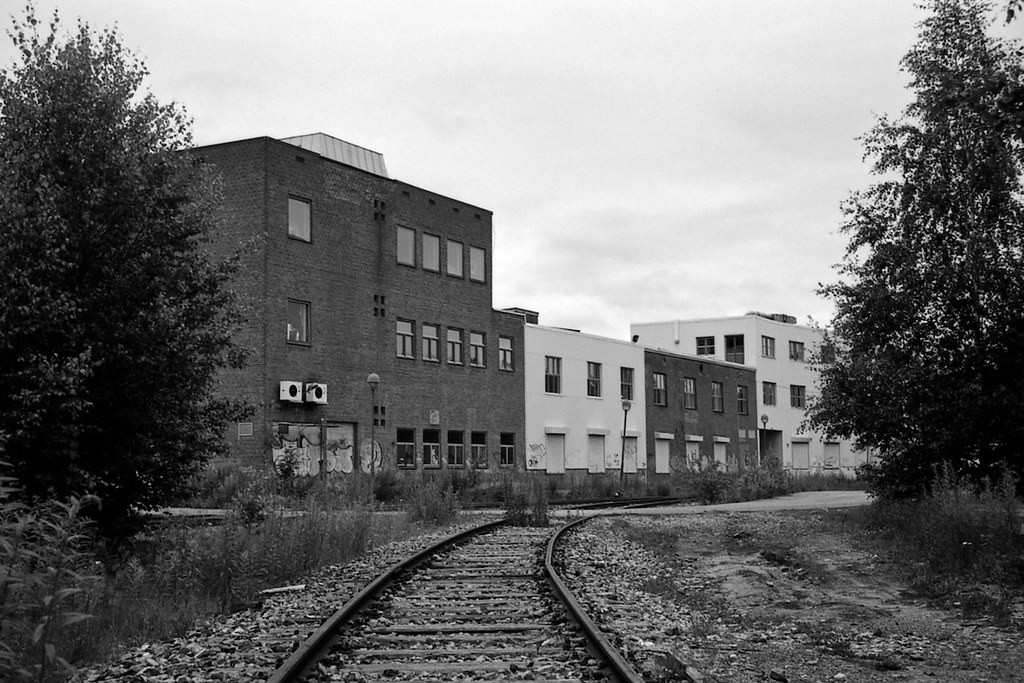
Near Drammen Docks, Norway, Royal 35-M, TMX, EI100, C-C-L
And the results? Quite pleased really. The grain certainly is quite fine, the tones are nice and subtle. Any deficiency in the quality of the pictures is most likely due to my rather puny scanner as much as anything else.

Tuesday, 21 June 2011

Caffenol-C-L - low pH semi stand

I´ve not tried Reinhold´s stand version of Caffenol yet. I´m probably not patient enough to wait for an hour or more for the film to develop, especially since my results with normal agitated development has been quite successful. So far, so good. However a new (old) film has dropped into my life requiring investigation. A fellow Caffenol experimenter has donated a number of films to me, and next on my list is the now discontinued Rollei Retro 400 (a.k.a. Agfa APX 400). I´ve read previously that this film is both grainy (in most developers) and quite  difficult to get good results in Caffenol. If there ever was an opportunity to try out the advantages of the low pH version, often used for slower films like PanF, Adox 25, Efke 25 etc, I  couldn´t think of one. The advertised pros being smaller grain, better tonal range, as in better control over the highlights, better shadow detail, smooth tonal gradation (the list goes on).

Not that these qualities will be unequivocally confirmed once I´ve developed the film, since I´ve not a baseline to which I can compare the results to, the film being new to me. Not to worry, if it comes out OK, it comes out OK.

I read up on different 400 ASA films in Caffenol-C-L. As with other developers they tend to favour slightly shorter development times than ASA 100 films. After a bit of thought I decided to expose at box speed, and develop semi stand for 60 minutes @ 20C.

However, it was a warm evening, and the temperature of the mix slowly rose to 21C before the time was up, so I cut the development short at 56min. The C-L mix is a low pH version with decidedly lower concentrations of both sodium carbonate and vitamin-C (ascorbic acid):

Sodium carbonate: 16g/l (8.6g for a 600ml mix)
Ascorbic acid: 10g/l (6g for a 600ml mix)
Instant coffee: 40g/l (24g for a 600ml mix)
Potassium bromide: 1.2g/l (720mg for a 600ml mix)

You need a restrainer regardless of film when doing stand or semi stand development, or you will get fog. The amount varies according to film and length of development. I guessed and added 1.2g/l potassium bromide.

Semi stand developed, in this case agitated 12 times initially, then three agitations at minutes 2, 4, 8, 15 and 30. Then let stand for the remaining 30 minutes (or 26 as it turned out).

Did the negatives turn out OK? Surprisingly, yes.

Three of the better shots to prove it:
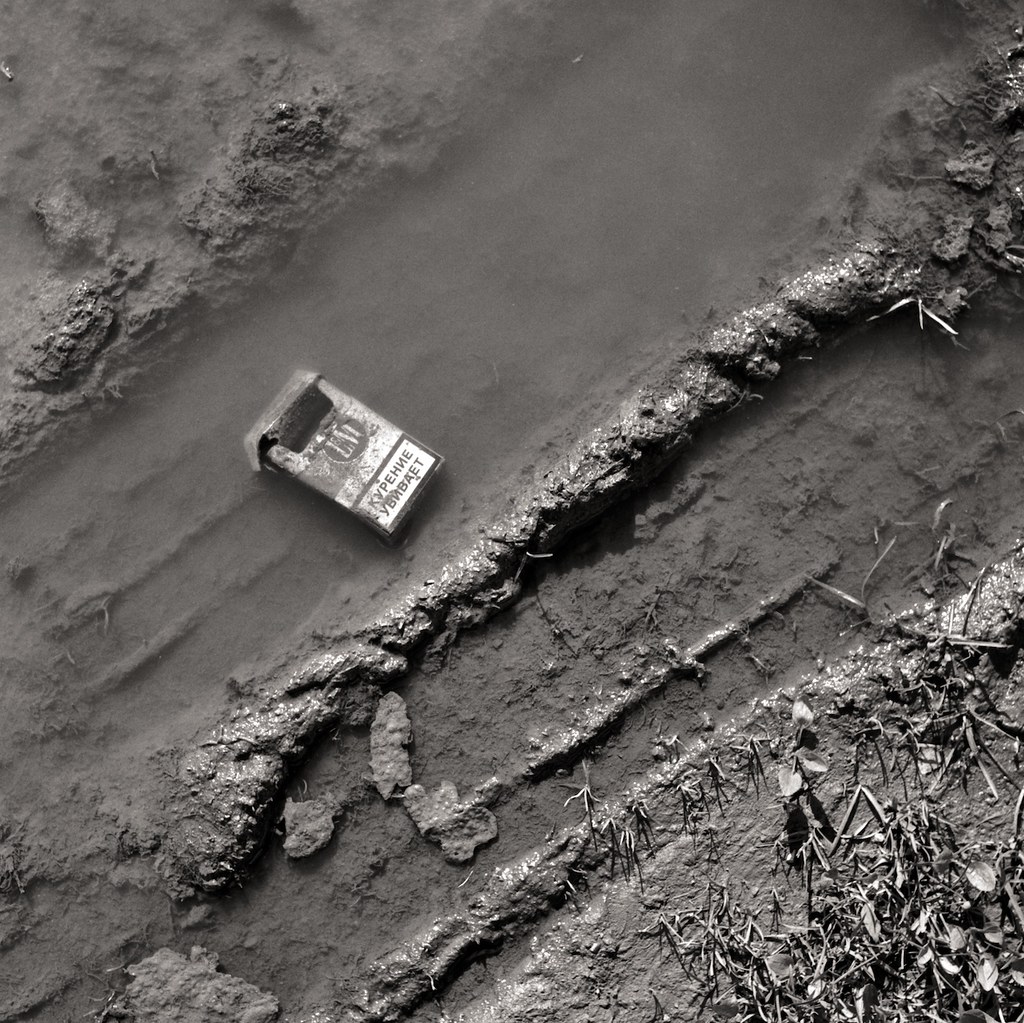
Kalloflex K2, Rollei Retro 400, EI 400, Caffenol-C-L, semi-stand, somewhere in Norway


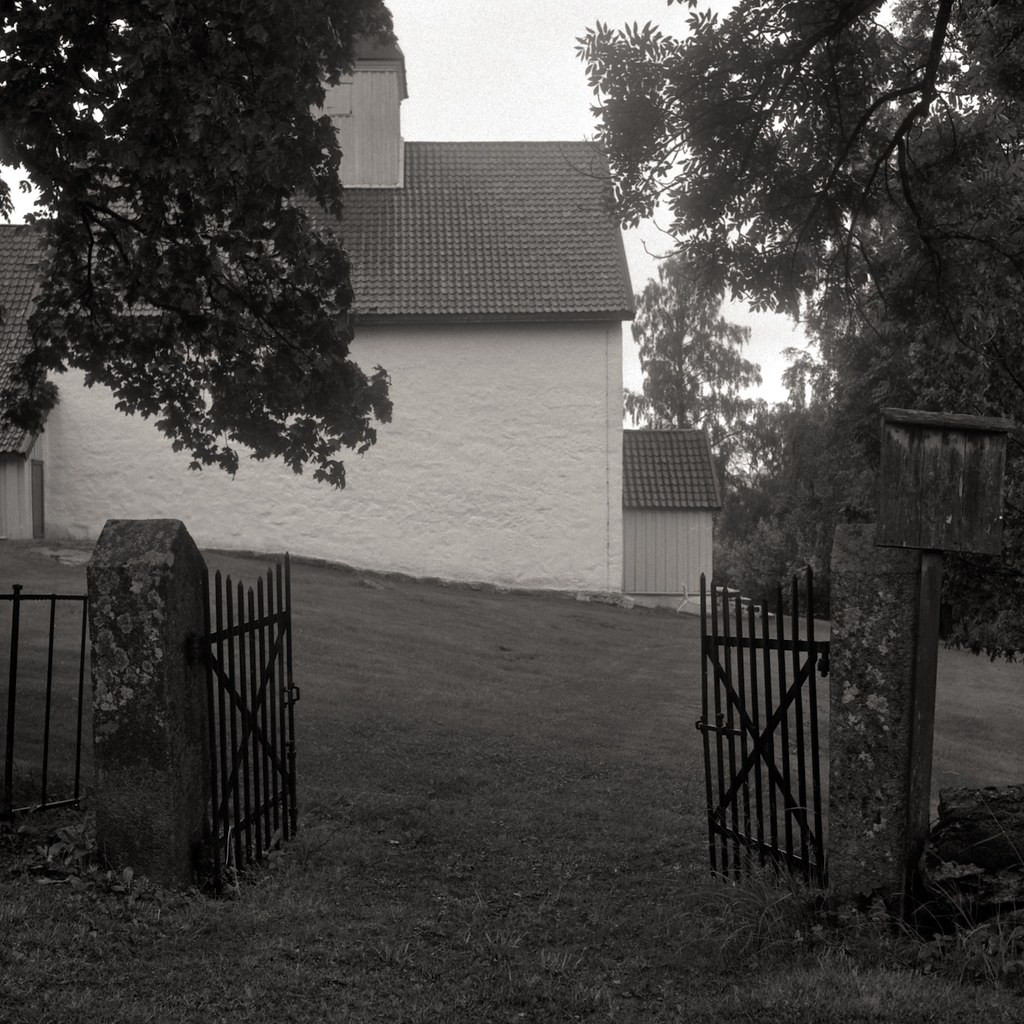
Kalloflex K2, Rollei Retro 400, EI 400, Caffenol-C-L, semi-stand, Old Skoger Church, Norway


Kalloflex K2, Rollei Retro 400, EI 400, Caffenol-C-L, semi-stand, Drammen, Norway

Thursday, 9 June 2011

More on Reduced Sodium Carbonate C-M

A note: The idea of a reducing the pH of Caffenol-C-M and H is not new. Some claim ownership to the idea, I find that rather pretentious, its not as if one mind and one mind only can come up with such an idea. Caffenol is all about experimenting after all. Not to mention that there are many shades of grey in such a matter, exactly how much one should reduce the pH to gain best results is a matter of taste. For the avoidance of doubt I hacked out my recipe in cooperation with Mike Overs (flickrID: mikeinlagardette). I´ve decided to call it Caffenol-C-M (RS), as it is still based on Reinhold´s (caffenol.blogspotcom) recipe, the honour is his. Mike himself uses a version with even lower levels of sodium carbonate, which I very well might have a go at myself at a later date.

My first two films to be developed in a reduced sodium carbonate version of Caffenol-C-H or M were HP5+ and GP3. Both came out very nicely, and showed some of the qualities I´ve been looking for ever since I found out I had in fact developed a film in a low pH Caffenol (by accident) early on in my experiments. The main quality I´m looking for is smoother gradation of the middle and lighter tones. The aforementioned films are very nice, but are as yet not my primary films of choice.

Acros and TMX have been my mainstays since the beginning, and I still prefer them to most other films I´ve tried. I thought I´d share a few examples of both films taken over the last month or so:
Rolleiflex 2.8E3, Acros (120) , EI 100, Caffenol-C-M (RS) 11:30min @ 20C

Pentax SP1000, Takumar SMC 50/f1.4, TMX (135) in Caffenol-C-M (RS), 13min @ 20C

Rolleiflex 2.8E3, Acros (120), EI 100, Caffenol-C-M (RS) 11:30min @ 20C

Rolleiflex 2.8E3, TMX( 120), EI 100, Caffenol-C-M (RS) 14min @ 20C

Flexaret Va, TMX (120), EI 100, Caffenol-C-M (RS) 14min @ 20C

Pentax SP1000, Takumar SMC 50/f1.4, TMX (135) in Caffenol-C-M (RS), 13min @ 20C


Thursday, 5 May 2011

I Adore, the 6x17 camera

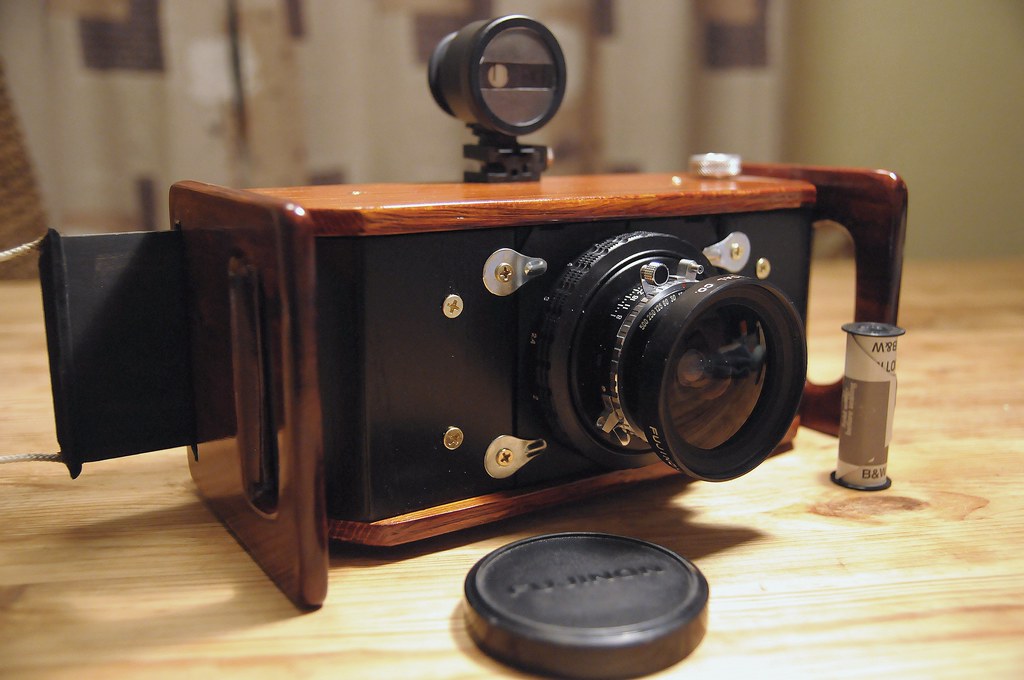
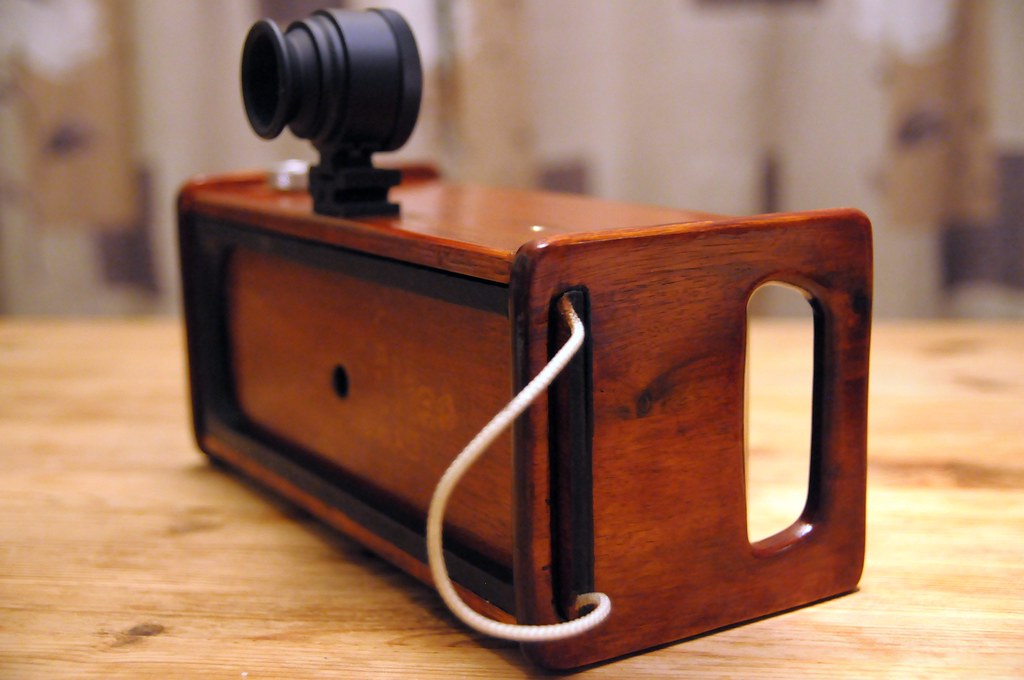
The "I Adore" front (notice the sliding back door cover protruding from the side handle)

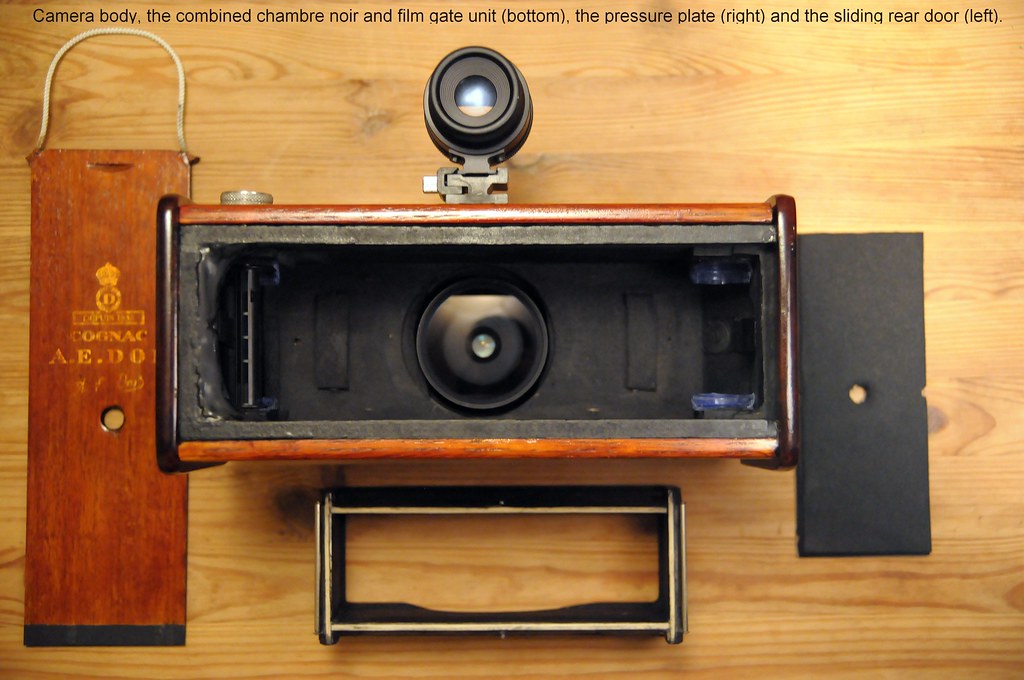
When I built my first DIY camera I started the project with the intention of building a 6x17. Somewhere down the road I convinced myself that building a multi format camera would be a better idea. Sooner or later I had to rectify this misconception. Don´t get me wrong, I loved building the 4x5/6x12 P+S, but I have to try out 6x17 one way or the other. The idea resurfaced one evening when looking at two bottles of Cognac in their wooden cases. The cases looked to be a good starting points for a panoramic camera. There had be some rather peculiar design points. For one the back has to have to slide into place, meaning the pressure plate has to have to be detached from the back. I had to make a light box/mask that can be removed in order to gain access to the film spools (tight fit). I´ve scrounged parts from an old Genos Rapid, the film rollers, the film tensioners, the red film counter window, the winder knob and so on. I've used the same lens and helical (mounted on a Linhof lens board) as for the P+S. Getting the thing light tight was the main challenge, but hey - thats half the fun. Luckily an acquaintance of mine has sent me 10 rolls of expired film I can play around with for testing purposes.

The A E Dor ( I Adore ) case was the better of the two and formed the basis for the light tight chamber. I chamfered the front corners and crafted two hardwood handles for the side walls, one of which has a slit to accept the sliding rear door. I clad front, top and bottom in oak. I made a combined chambre noir and film gate, removable in order to gain access to the film spool holders (very tight fit), the pressure plate can't be attached to the rear door, so is also removable. Not much to it really.

Some more pictures:


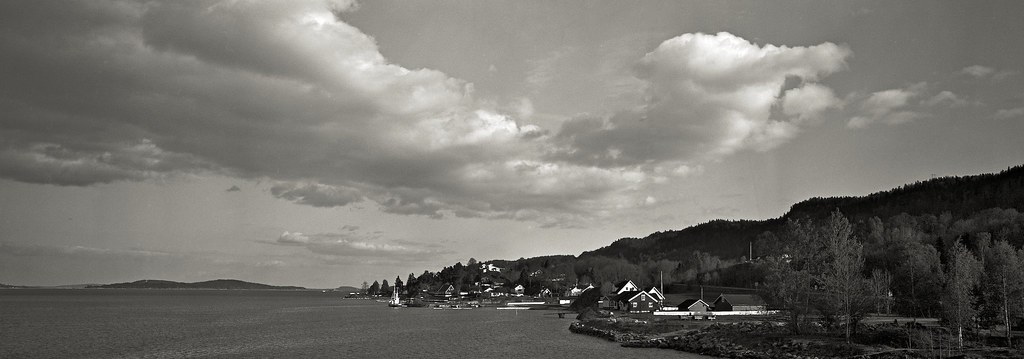
And the first test picture. Forgive the scanning artifacts, I don't have a film holder for 6x17 negs, so it was scanned straight of the glass.

Sande bay, Norway, "I Adore" 6x17, HP5+, EI 400, Caffenol-C-H (RSA) 13min @ 20C, 4min presoak

Wednesday, 27 April 2011

Two new experiences in one: Shanghai GP3 and Caffenol-C-M (RS)

Inspired by my fellow Caffenol advocates on flickr, imagesfrugales (Reinhold) and mikeinlagardette (Mike), I had to try out som cheap (and cheerful?) Chinese film. Also wanted to try out a new version of Reinhold's C-C-M with Reduced Sodium content (RS). I exposed the film to EI 100, but had a yellow filter mounted, so in reality the EI is closer to 160-200. I mixed the modified C-C-M solution with 3/4 of the amount of sodium carbonate and developed without adjusting either my agitations scheme or my timings. I agitate for 1 minute initially (approx 12-15 inversions), then 3 inversions every minute. In this case I developed for 13min, but since the mixture had been used once already, this equates to about 12min for fresh Caffenol. I did however add a 4 minute 20C tap-water presoak to the process.

The revised recipe is:
Sodium carbonate: 40g/l (down from 54g/l)
Ascorbice acid: 16g/l
Instant coffee (gut rot type): 40g/l

And the results are more than pleasing. Both the technical qualities of the film (medium fine grain, classic grain structure is nice, tonal range and graduation is good, but not brilliant, and high contrasting areas are handled very well) and the developer work very well indeed. The Caffenol-C-M (RS) solution seems to be no less active than the regular sort. I need to scan a roll of TMX also developed in the (RS) version, and compare this to earlier C-M developed rolls to be sure, but I hope to see smoother midtones and maybe finer grain.

The results:
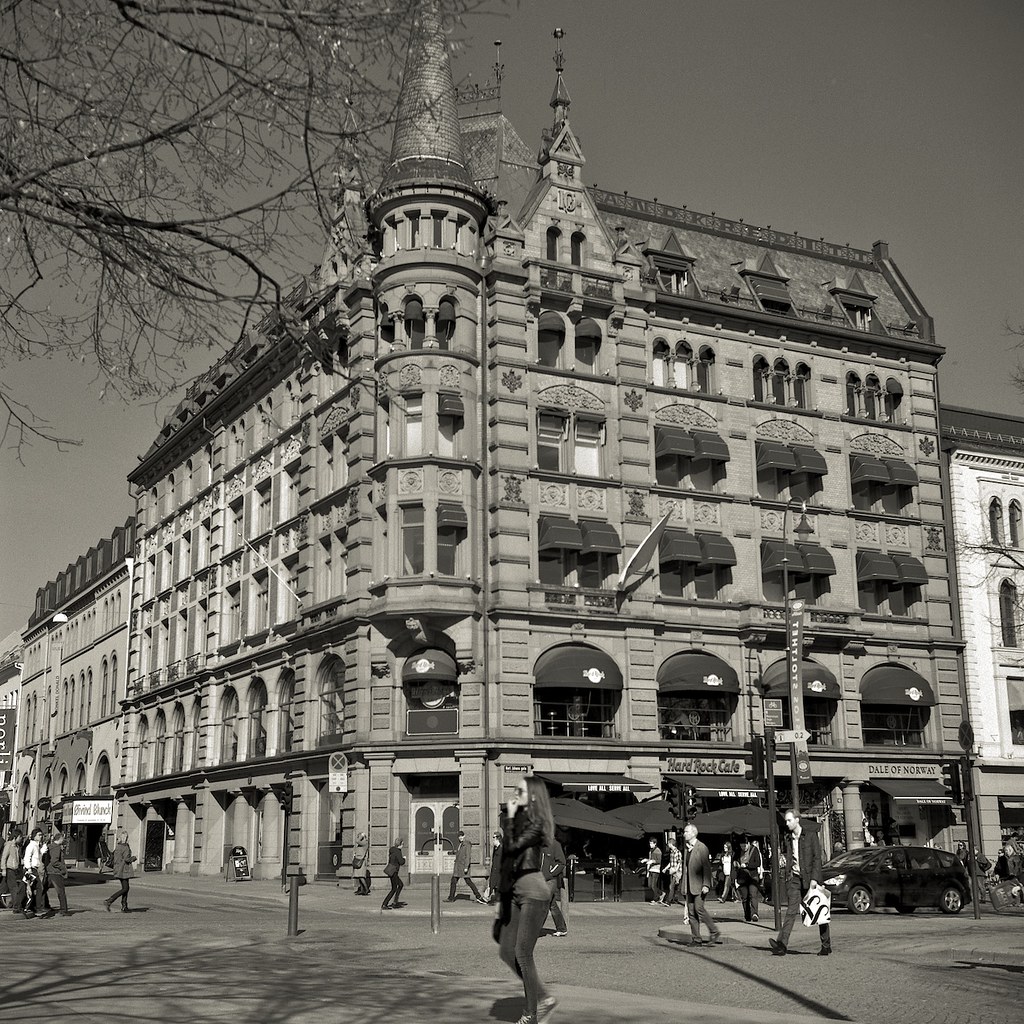
Flexaret Va, Shanghai GP3, EI 160, Caffenol-C-M(RS), Studenten, now housing the Hard Rock Cafe, Oslo, Norway

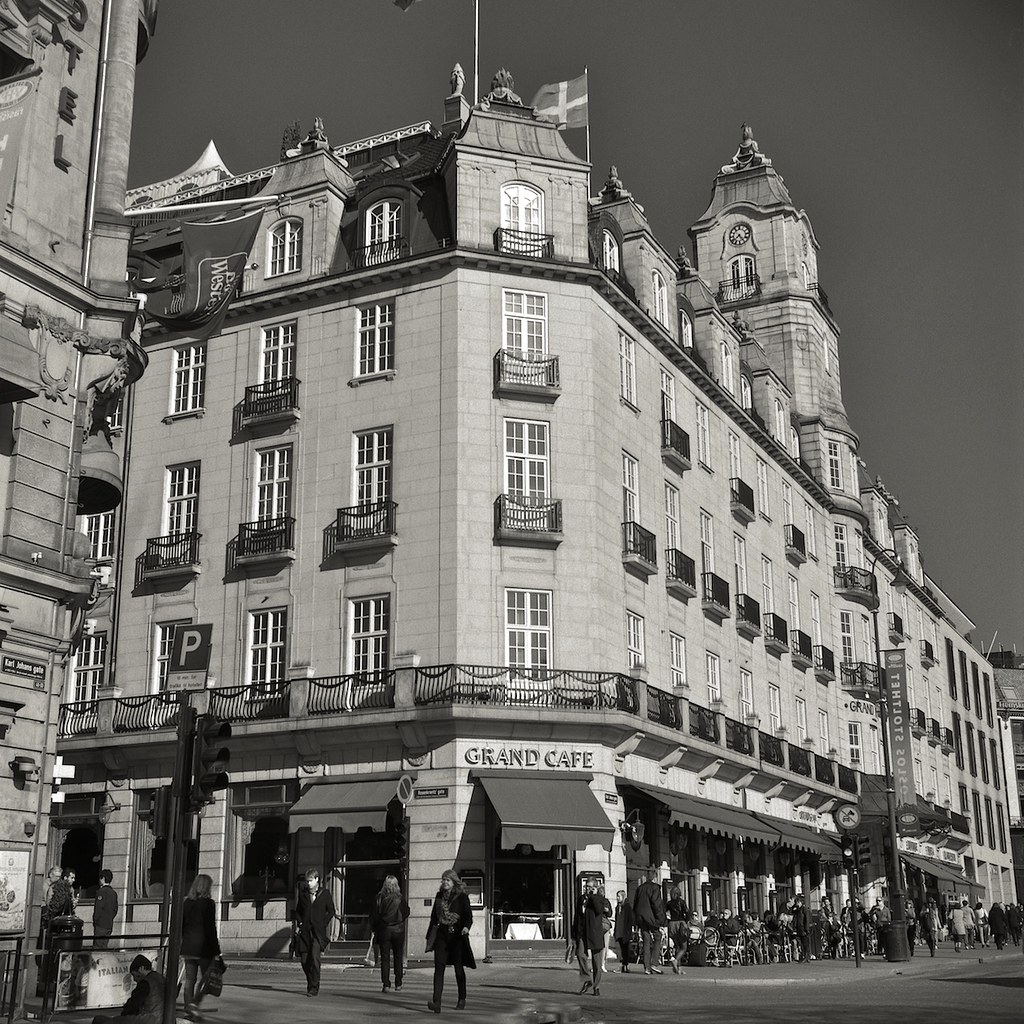
Flexaret Va, Shanghai GP3, EI 160, Caffenol-C-M(RS), Grand Hotel, Oslo, Norway

Tuesday, 12 April 2011

Really, really mature Caffenol

I´ve not had the opportunity to develop any films these last two months. As a result I have a litre or more of each of the main components maturing in my cellar. They are now more than 4 months old. How will they perform? I finished off a roll of Acros exposed at EI 100, to find out. The first two frames were from my recent visit to Canada, the others not so important - shot in and around my home town. I could live through a dud development if that were to be the case.

When mixing the solutions together, the sodium carbonate and the ascorbic acid first, produced a dark brown colour, very unlike when fresh (light yellowish green), and the coffee being a milky brown (most likely starting to develop mold). Didn´t look at all promising. The only positive change was that when all mixed together the distinctive Caffenol smell was all but absent. Oh well, no guts, no glory. I developed the film as normal, no adjustments. Out of the fix it looked not too bad. Out of the wash even better, and when dried more or less as normal.

When scanned I found that one of the rollers or the possibly film gate, on my camera is scratched, ruining several of the negatives. But on a positive note the negatives didn´t look too bad. If I were to be very picky I´d say they are a tad (1/3-1/2 stop) underdeveloped, and they exhibit more grain than usual, though still quite useable.

Here are three scans that could be salvaged from the scratched roll:

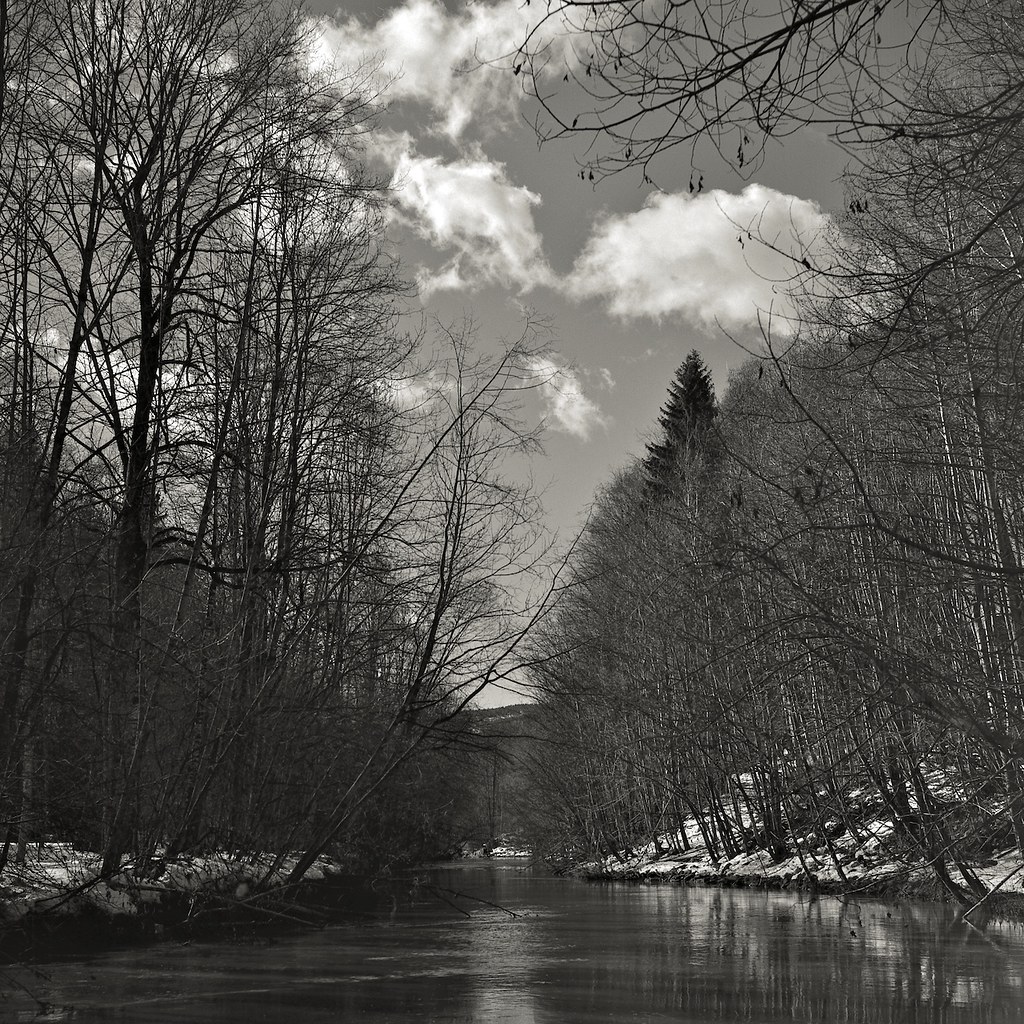
Flexaret Va, Acros, EI100, Matured Caffenol-C-M, 12min@20C, Sande river, Norway
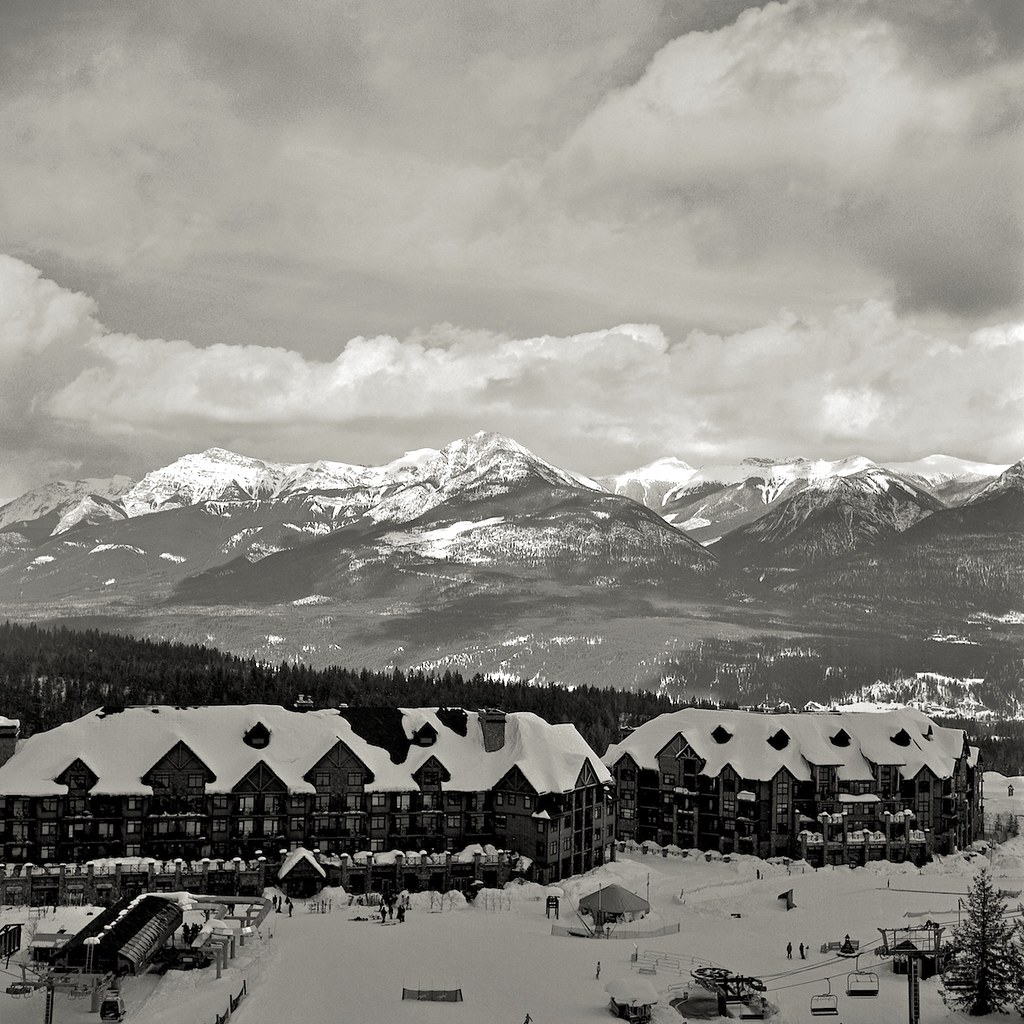
Flexaret Va, Acros, EI100, Matured Caffenol-C-M, 12min@20C, Kicking Horse, BC
Flexaret Va, Acros, EI100, Matured Caffenol-C-M, 12min@20C, Sande, Norway

Wednesday, 16 March 2011

More on re-using Caffenol

Its been a while since the last post. I´ve been busy on other fronts, building a 6x17 camera out of a Cognac case for one thing. More on that later.

When it comes to Caffenol and using a batch for more than one 120 film. I´ve tried that out with success already. I´ve now done it again, this time three films in succession, all from the same 530ml mix, and this time not adding any instant coffee, just adjusting to the development times somewhat. I´ve not yet scanned the first film (not that relevant to the subject of re-using Caffenol really), but I have scanned both films two and three. How did they come out? Perfectly OK in fact. I wouldn´t say that I could see any detrimental effects of using the batch for three 120 films at all. In the case of 135 films, a single batch of 530ml could be used for up to 6 rolls if need be. The reason for doing this is not that one would save money, or the environment for that matter, but time. Time is a much more important commodity.

Adding 5-10% development time for Caffenol-C-M has been suggested as a place to start. I opted to add a minute for each successive film, even if the films were different and required different development times to begin with. For Acros (normally 12 minutes) 1 minute added would equate to nearly 10%, whereas a minute for TMX (normally 14-18 minutes) would equate to 6-7%. To be honest I think that both films are rather tolerant of variations in the mix and timings, that it doesn´t matter much. Don´t quote me on that though, YMMV.

From film no. 2 (TMX, EI 100, @ 16+1 minutes):
Flexaret Va, TMX, EI 100, in re-used Caffenol-C-M, @ 16+1min

From film no. 3 (Acros 100, EI 100, @ 12+2 minutes):

Ikonta w/Novar f4.5, Acros EI 100 in re-re-used Caffenol-C-M @ 12+2min