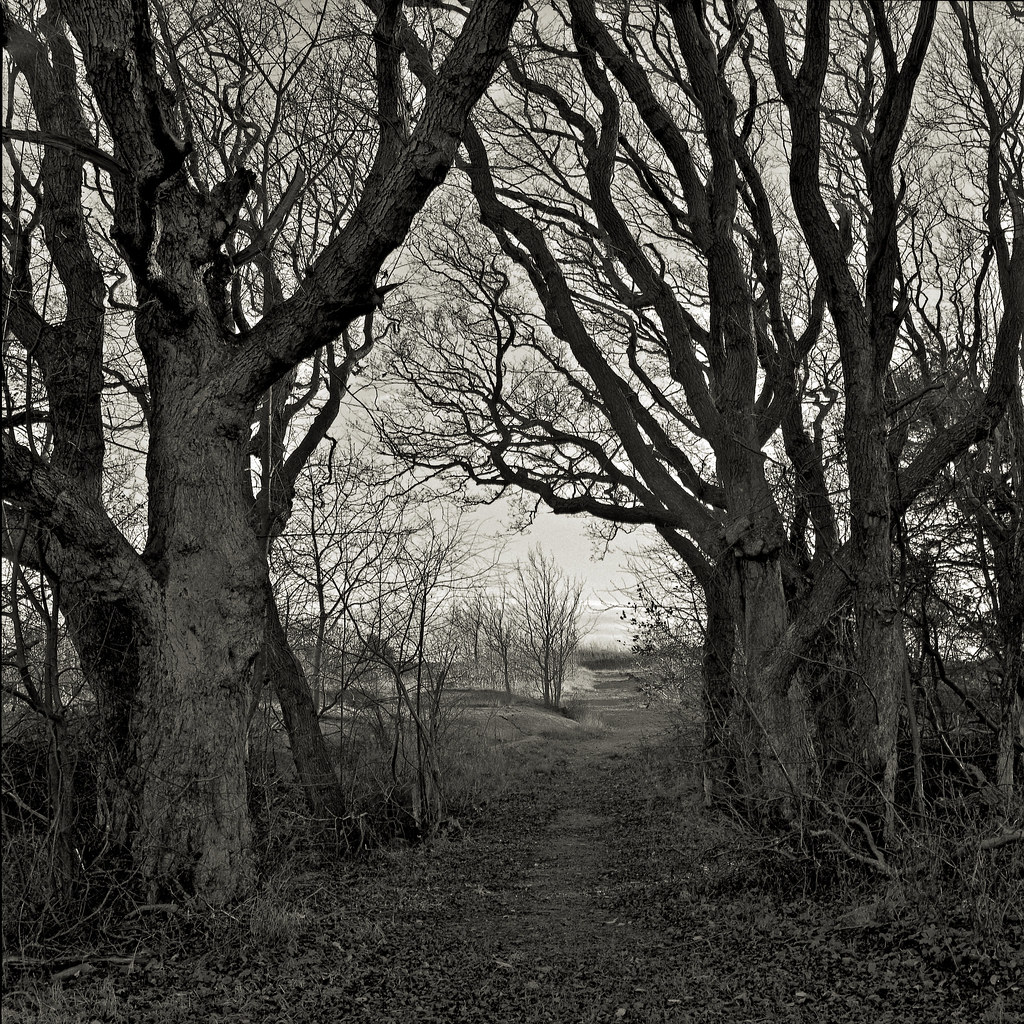
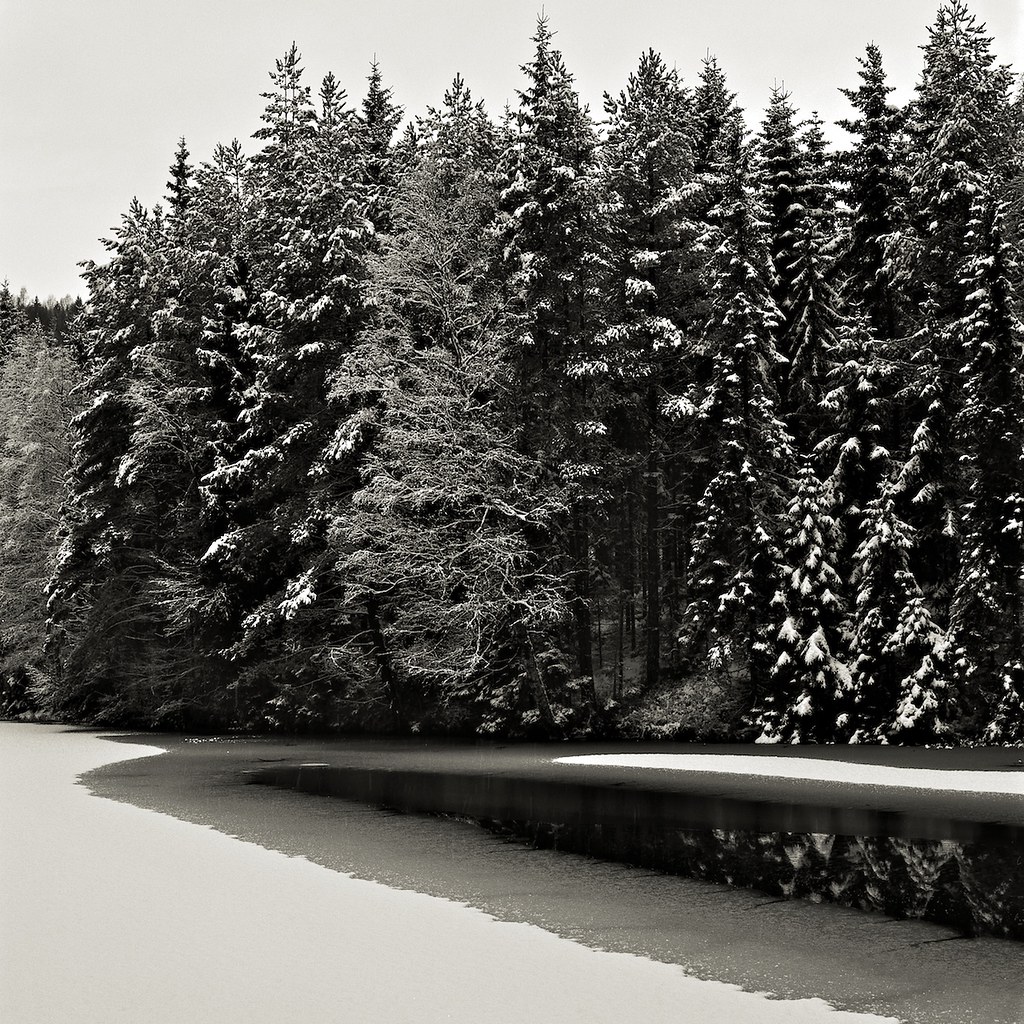
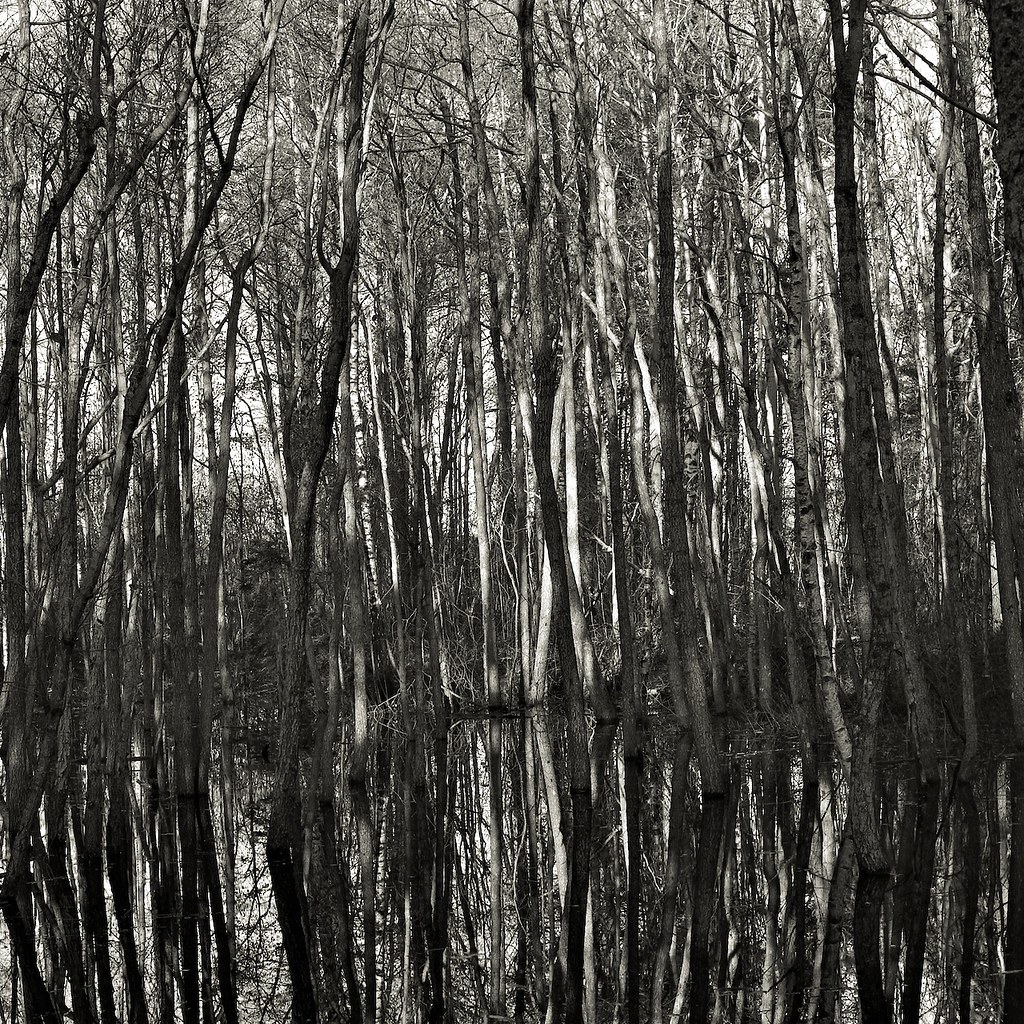
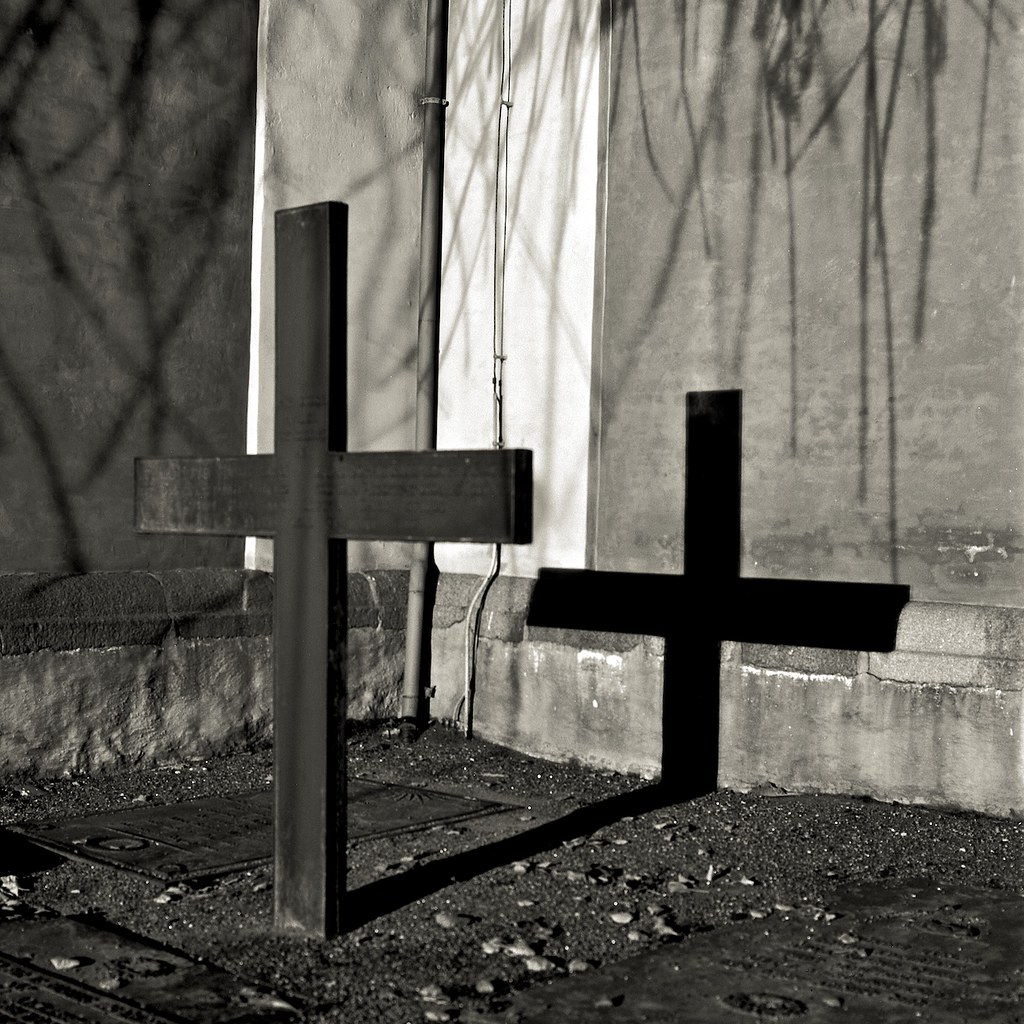
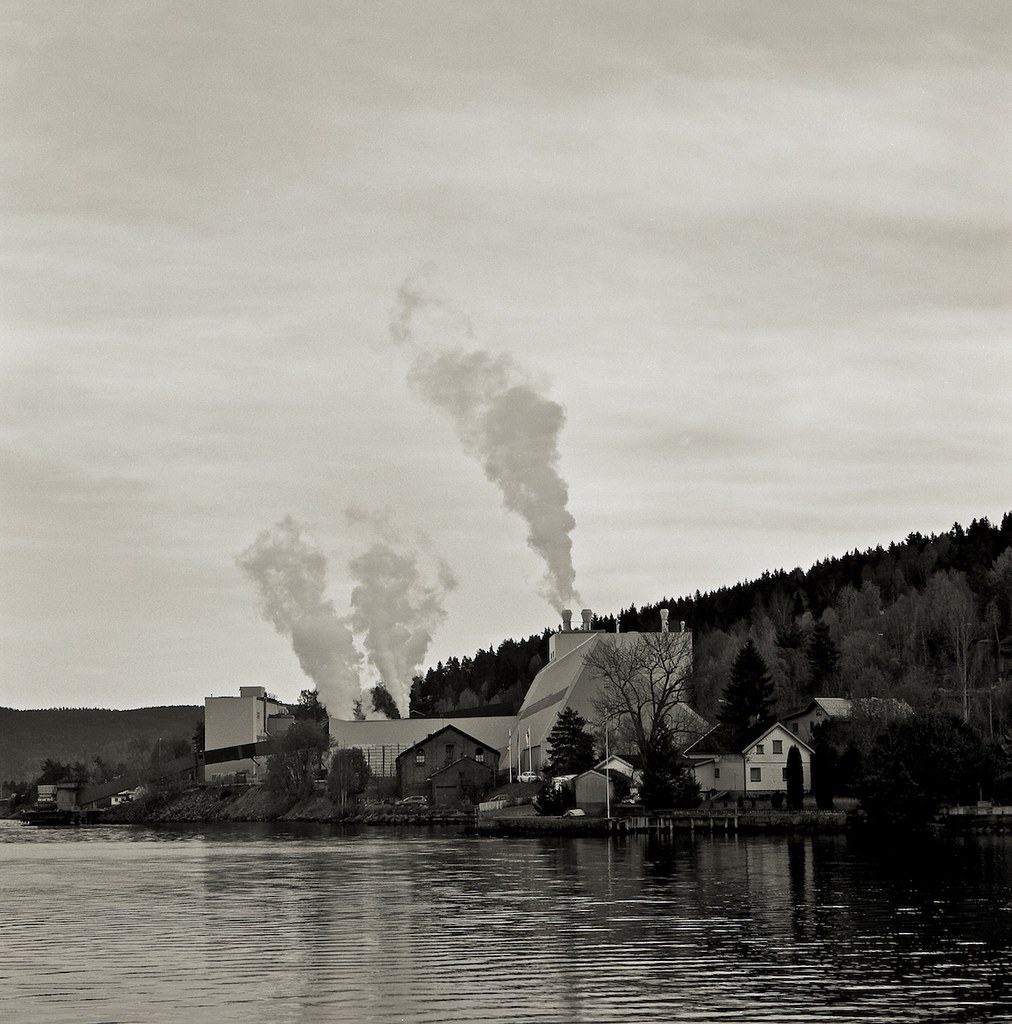
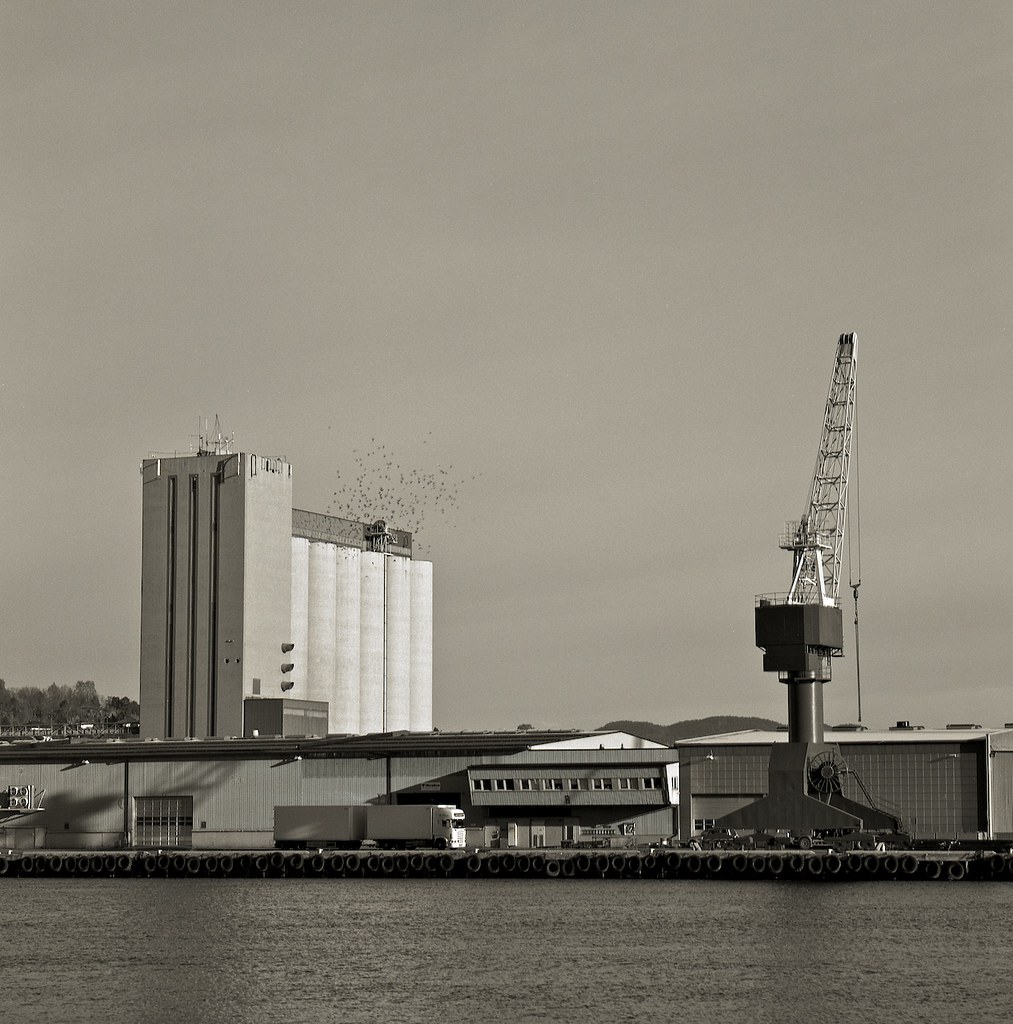
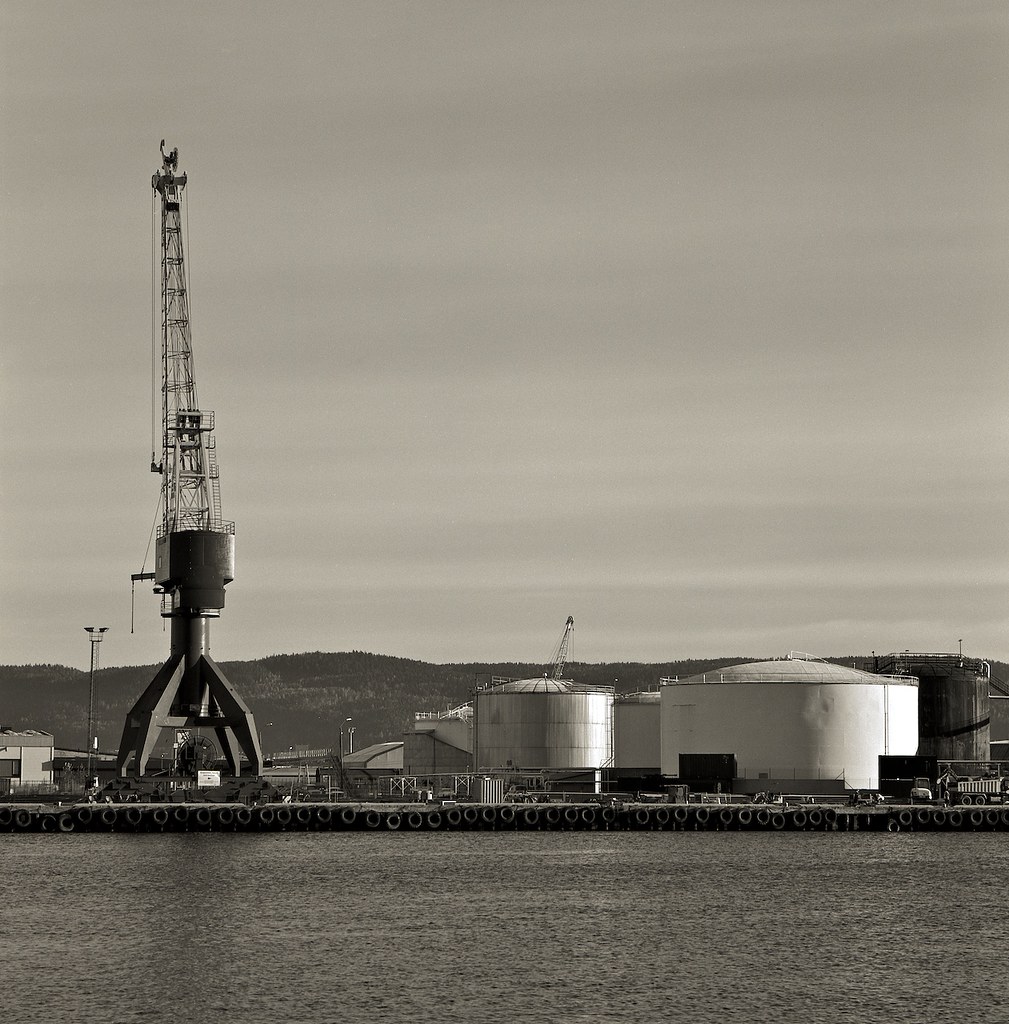
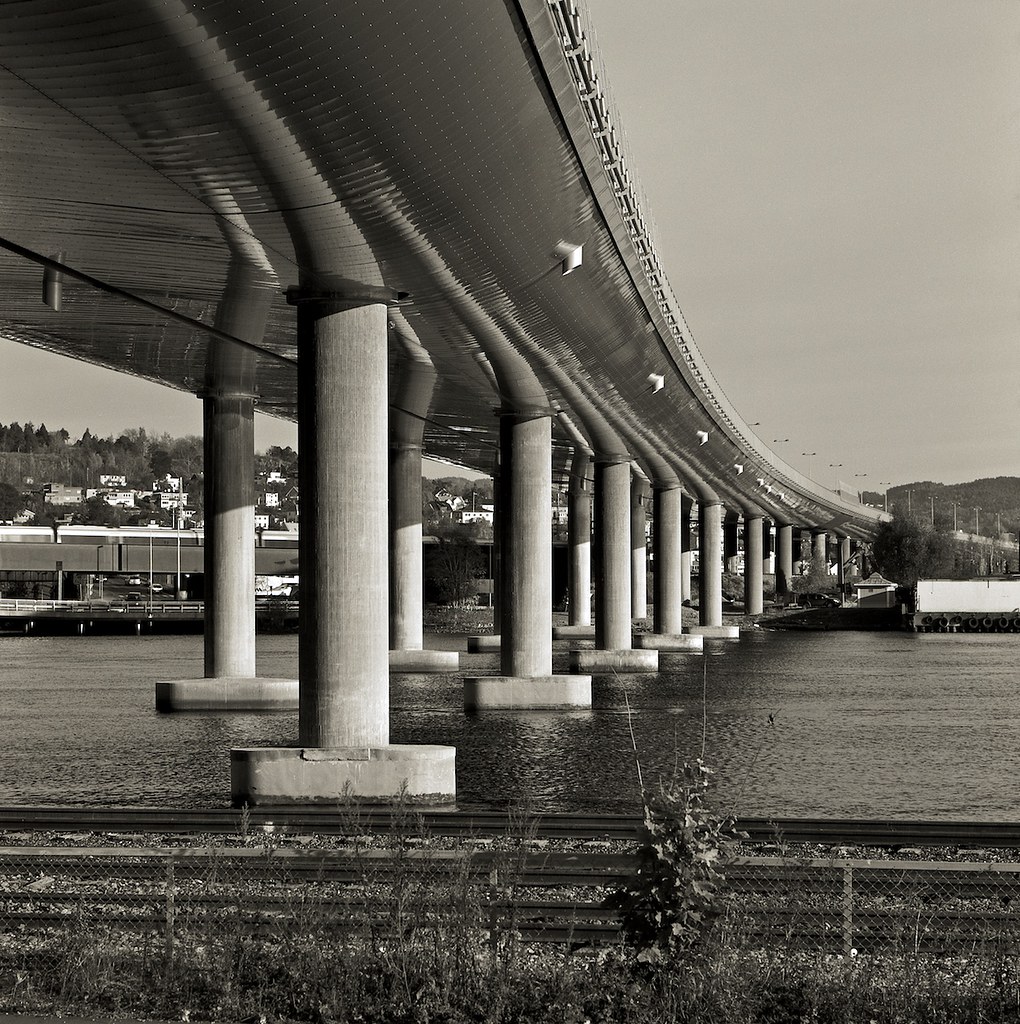
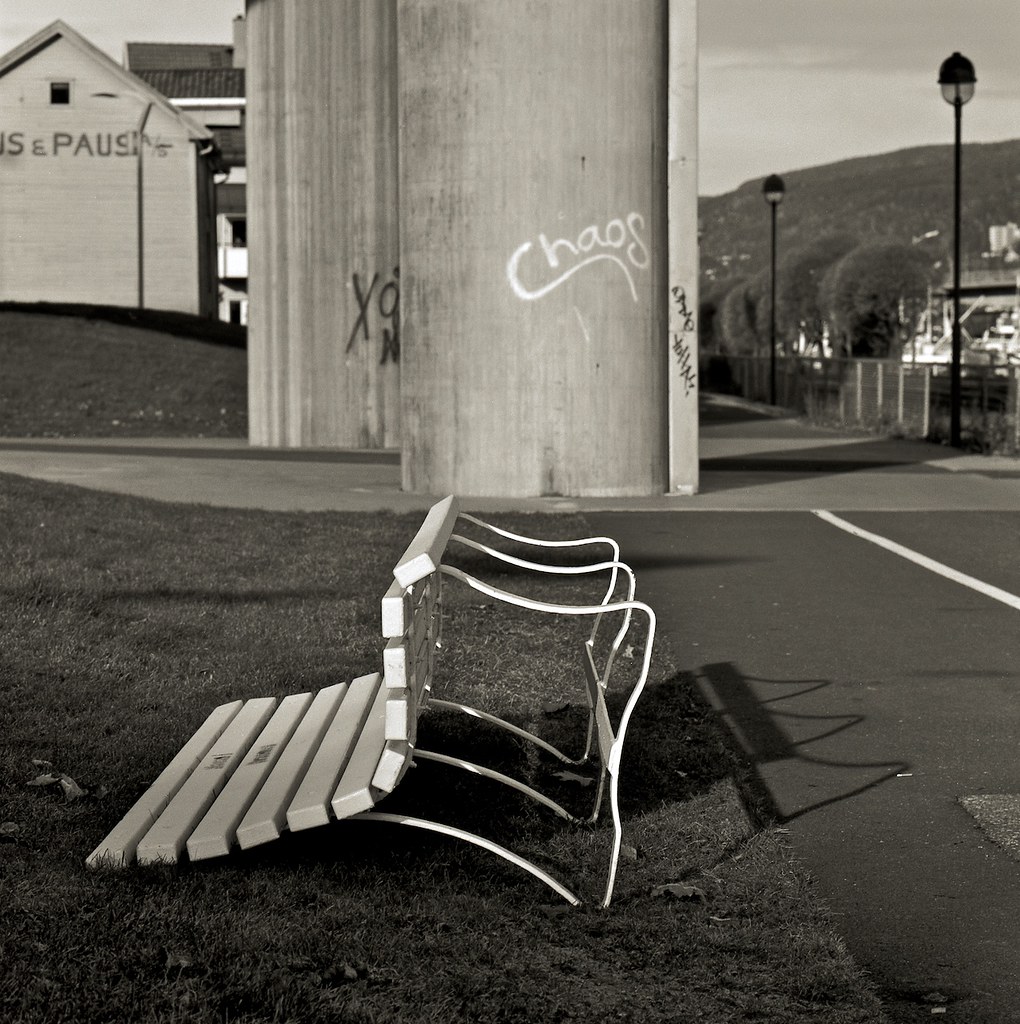
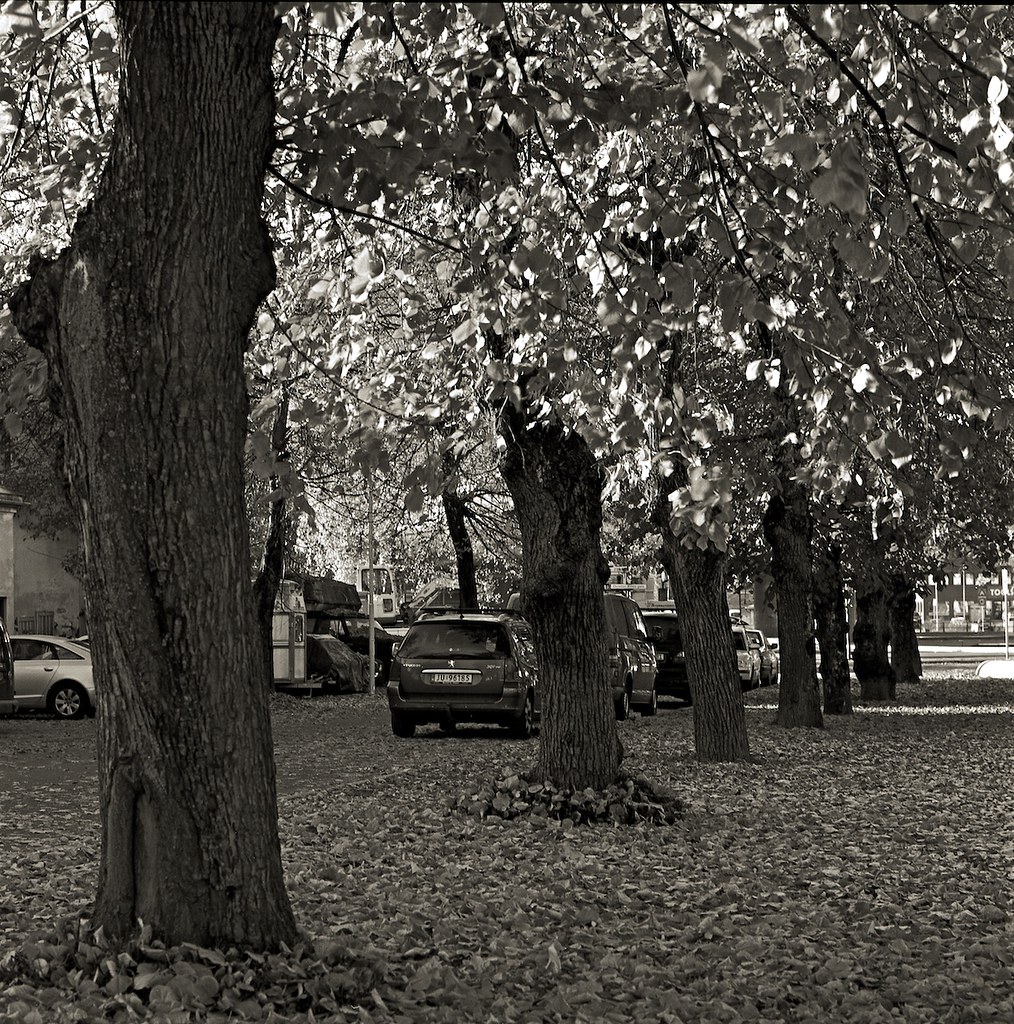
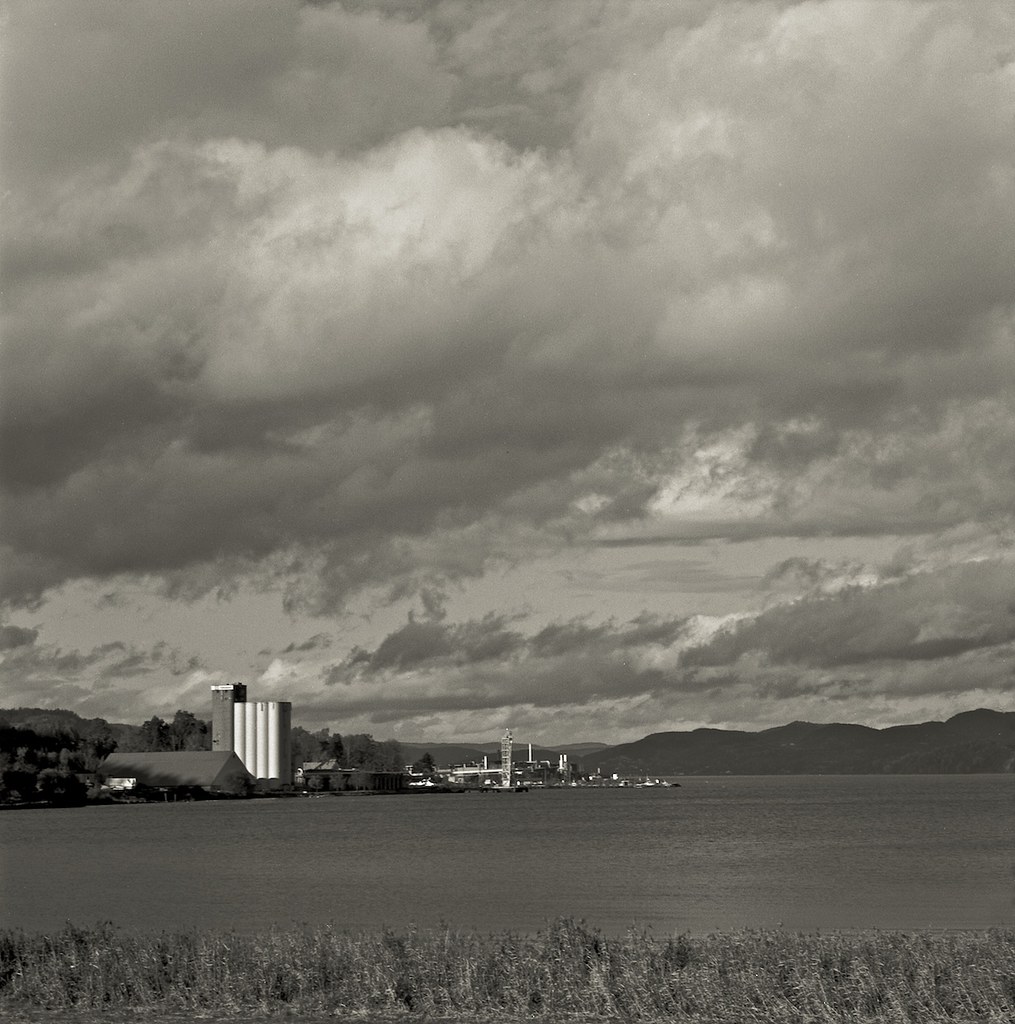
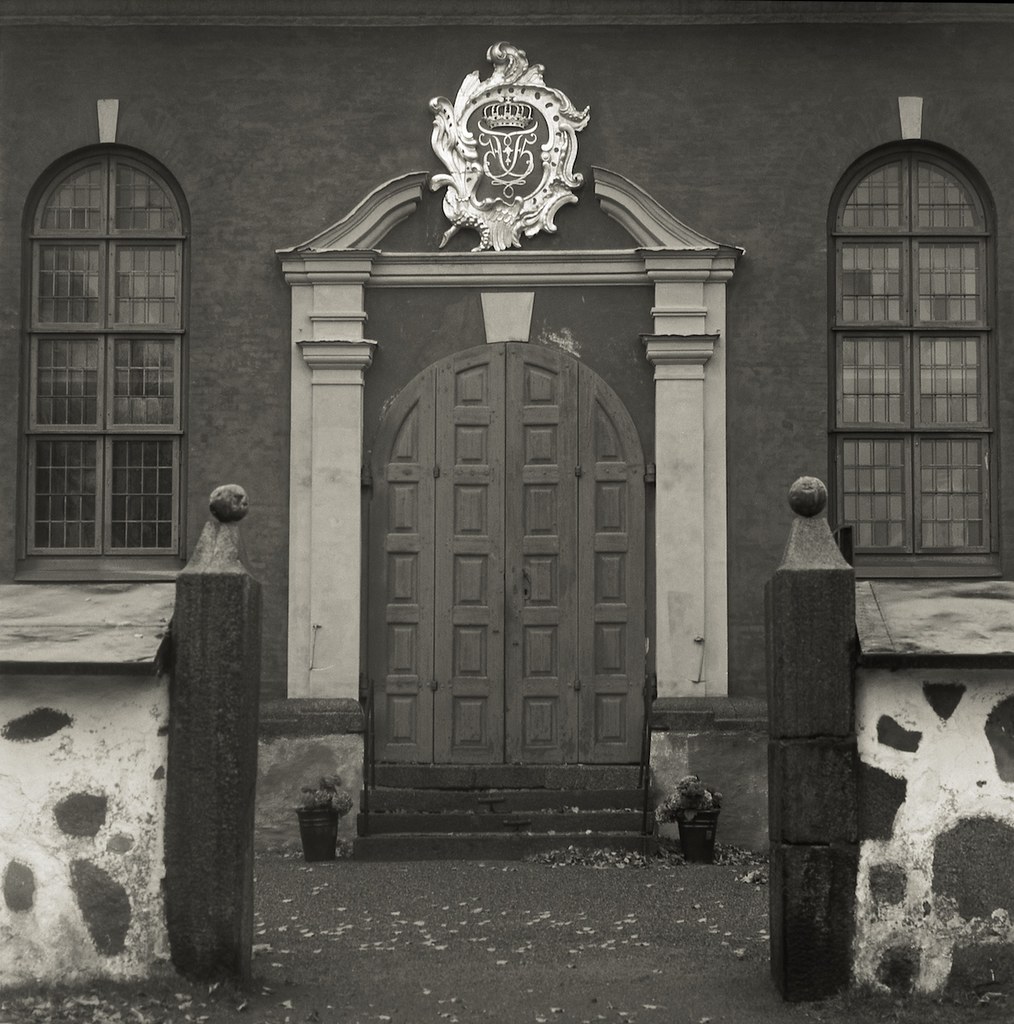
Visit my new blog

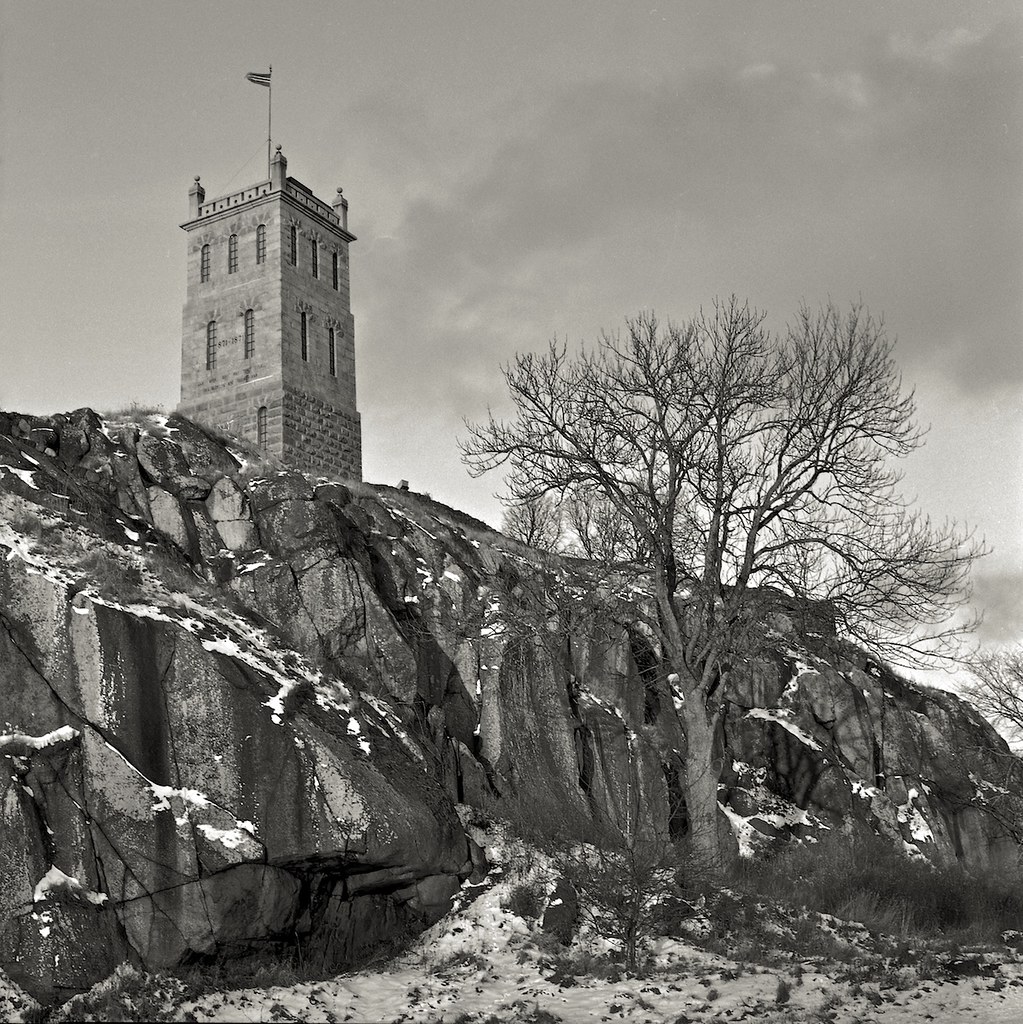
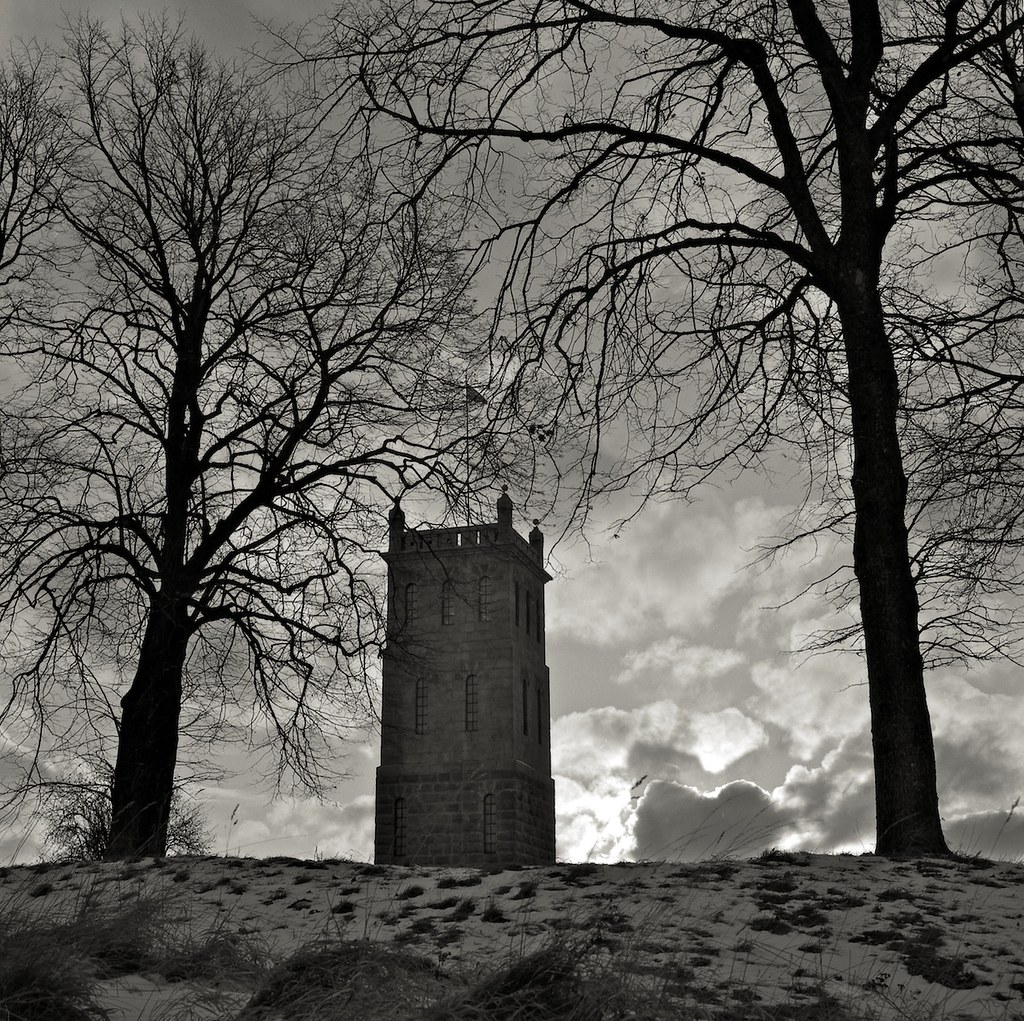
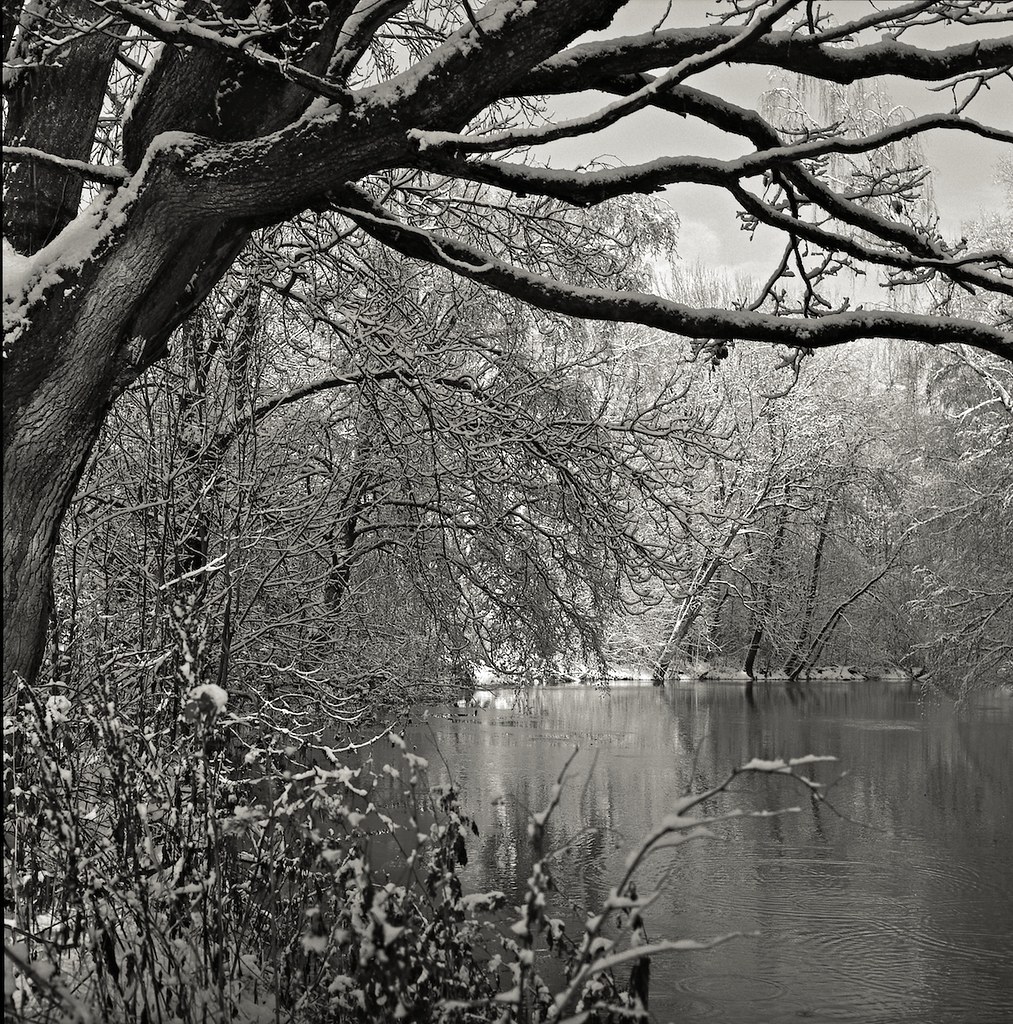
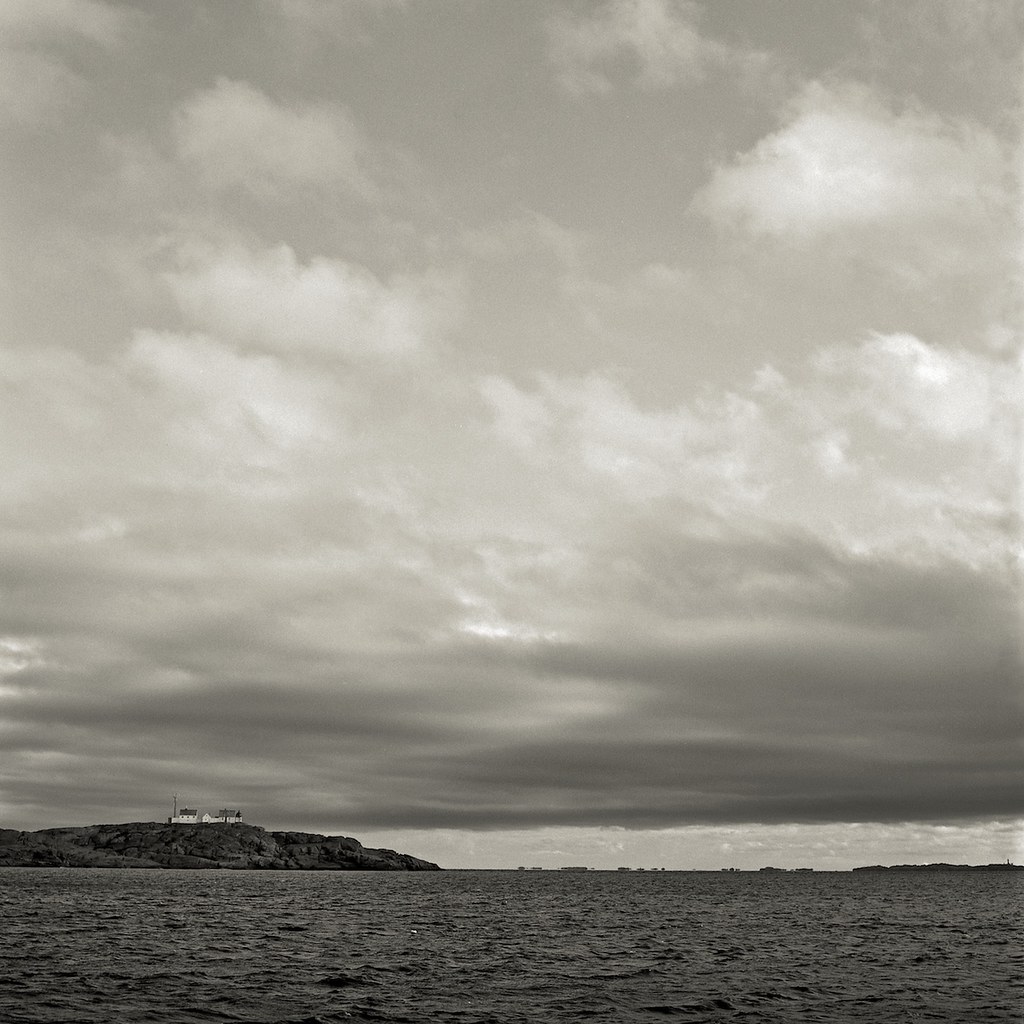
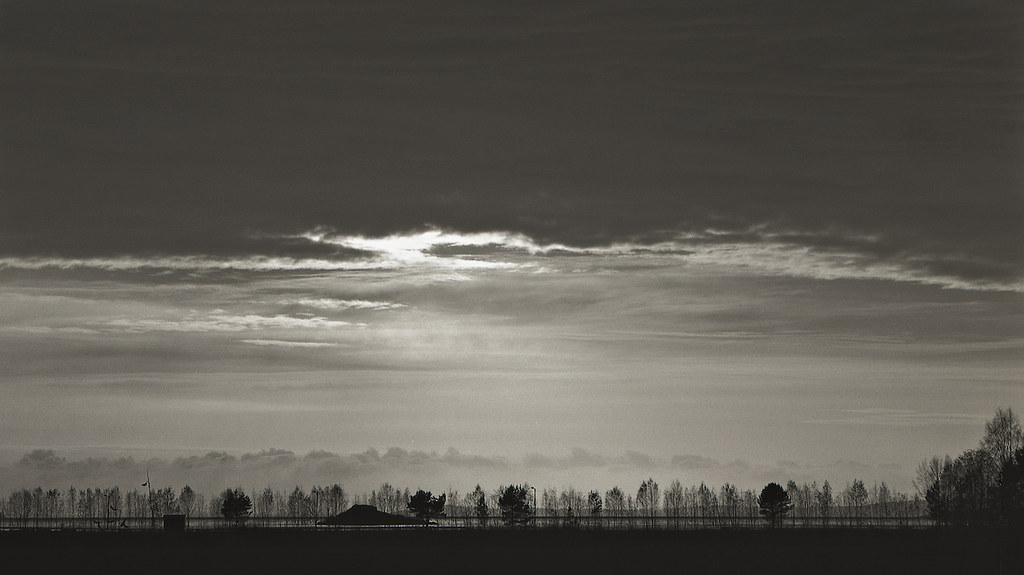
I´ve decided to split my blog in two. I will continue to post DIY projects and musings here, but (serious) pictures, taken on film of course, will be posted in my new blog "Silver Halides"

I now consider Caffenol to be a developer like any else. As such the new blog will focus more on the pictures, rather than the process.
Showing posts with label Kowa Super 66. Show all posts

Thursday, 6 September 2012

Kodak Tri-X (TX400 or 400TX) in Caffenol-C-H

I´ve recently developed two rolls of Tri-X. Both over expiry, one of the previous emulsion, and one of the current. Both worked out well.

Tri-X has always been Tri-X. But look at the designation on the box, and on the film rabate you´ll see that indeed they are different. Modern (post 2007) Tri-X is called 400TX. The former emulsion is called TX400 or just TX. Reputedly the newer emulsion is more fine grained and requires shorter development. Finer grain? Possibly, not that I would fret over big fat grain on the older version, if I was so lucky to find a cache. It´s still very good in Caffenol. I did however develop the two films (very) slightly differently.

Modern Tri-X, exposed at EI400, in Caffenol-C-H(RS) and 0.7g/l of Potassium Bromide (KBr). A small recap of the RS recipe bottom of post.

14 minutes and 30 seconds @ 20C/68F. 12 initial inversions, and 3 every top of the minute as usual, save the last at 14 minutes (i.e. stand from 13 minutes). Water stop, 1 minute. Normal fixing and washing. All at as close to 20C/68F as possible.

Modern Tri-X, box speed, Caffenol-C-H(RS), 14m30s @ 20C. DIY 6x17 Camera
Click on the pictures, they are large and you will see just how good Tri-X can be. I really got lucky on these. Shot with my DIY 6x17

A prior attempt to expose a roll of Trix met with just about every problem in the book. Firstly the back on the Super 66 has developed a light leak. Luckily the frame shown below, and the first frame are exempt from damage, all the others are not.Secondly the first 5 frames of the film, all have a dark lower 1/4. Why is a mystery. Again this frame went clear.
Thirdly the self timer switch on the leaf shuttered lens got engaged without me noticing. Once I thought I had the shot in the bag (the mirror swinging up makes a loud kaaawhuump) and I started to walk away I heard the dreadful sound of the timer clockwork. I rushed back and reframed blind (the mirror was still up of course, obscuring the view, so why am I looking into the viewfinder?). And better framing than this is difficult even with finder. Missed the focus by a foot though. So now my reflection is more in focus than I had hoped. Ah well, that´s Sod´s law I suppose.
But back to business. This is the older emulsion, and yes there is slightly more grain, but still very good for a 400 speed film. Tonality is good. Due to the problems with exposing this film, the example frame is not the best.
Again, Caffenol-C-H(RS), this time with 1.2g/l KBr. All else equal.
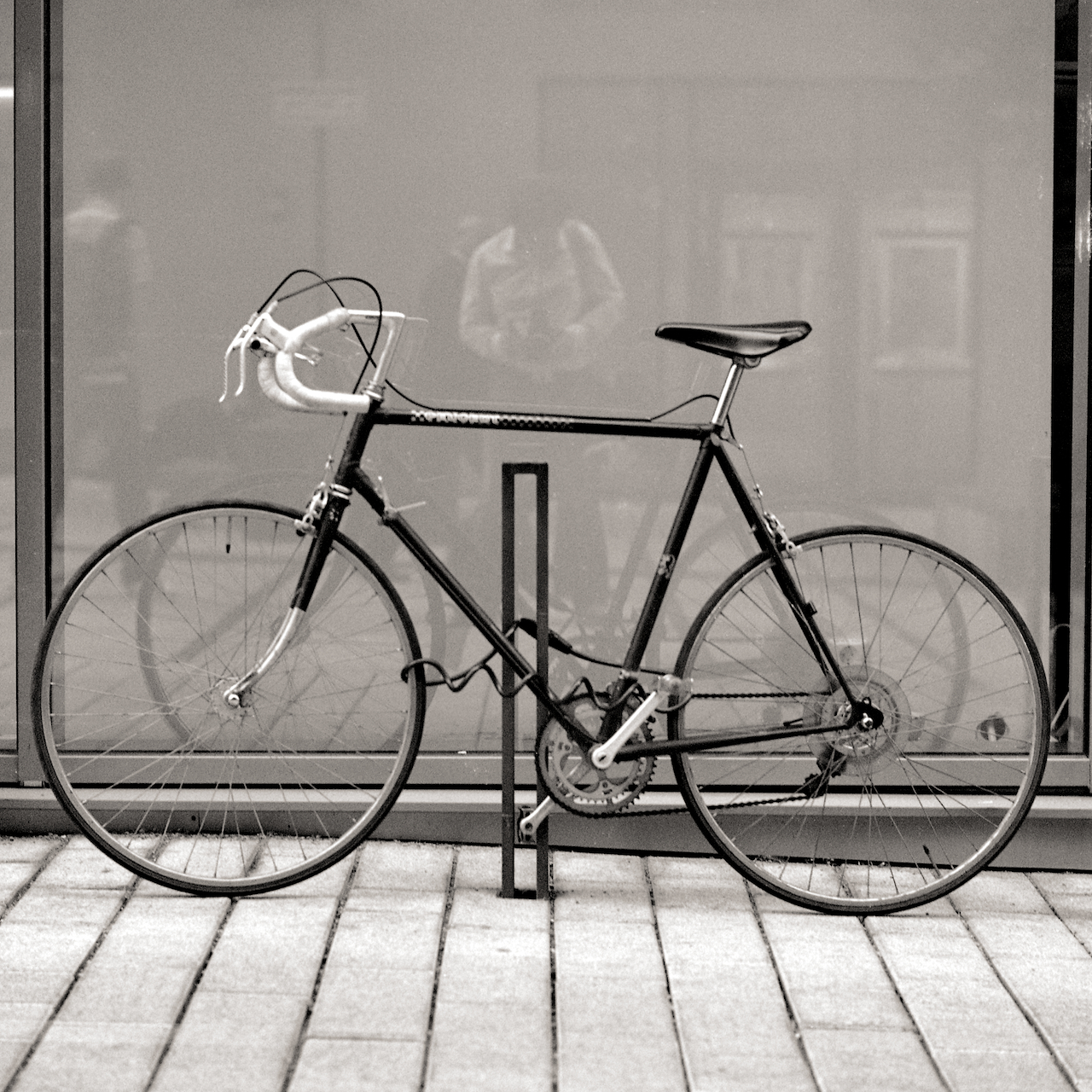
Old Tri-X, box speed, Caffenol-C-H(RS), 14m30s @ 20C. Kowa Super 66 w/150mm f3.5

Caffenol-C-H vs C-H(RS)
In a 1 liter solution, each:
Sodium Carbonate, anhydrous 54g - 40g
Ascorbic acid 16g - 16g
Instant coffee 40g - 40g
Potassium Bromide (KBr) whatever, same for both. Between 0.6 and 1.5g/l depending on emulsion.

As you can see, only the amount of soda (sodium carbonate) is reduced. This lowers the pH, makes the developer less active. My experience says it´s still active enough. I haven´t really adapted my times much.
Benefits over regular C-H (same applies for C-M(RS) over C-M). I find grain is slightly less pronounced, and the tonal gradation is smoother, slightly less contrast maybe. 
With regards to the two Tri-X versions. Both are perfectly good films. I´ve already ordered a couple of bricks of modern Tri-X. ;)

Sunday, 23 January 2011

Acros 100 unintentionally overexposed by not one, not two, but most likely 5 or more stops!

My Kowa leaf shuttered 85mm lens developed a shutter issue at the exact same time I started testing Acros 100. At first I thought my very dense negatives were due to my getting the development all wrong, and subsequently went out and shot another roll. The second roll showing the exact same symptoms, even after changing EI from 100 to 200 and shaving 4 minutes of the development time. This is when I started suspecting other things, like my new light meter, and went out and shot another roll with the old meter. Still dense negatives bordering on opaque. I should of course have just studied the film borders and the film base to see if the development was off, or if it indeed was an exposure issue. But I panicked!

I finally cottoned on to the party to blame, the lens´leaf shutter was sticking, on all speeds. It didn´t really matter which speed was set, the time it took for the shutter to close was at least a couple of seconds, and sometimes it didn´t close at all. I managed to get my flatbed scanner to interpret a few frames out of three rolls of negatives, barely. I suspect that a better scanner would have been able to salvage something from most of them, and that wet printing could get nice results. But alas, I´ve not a $1000 scanner, nor is my darkroom ready yet.

To wrap up the winging, I´d like to say that I´m impressed with what Acros can tolerate of overexposure. Because these negatives got their fair dose of it. Reinhold rates Acros to an EI of 200 in Caffenol-C-M. These negative probably got exposed in single digit EI´s. The results being big chunky grain in the lighter (most overexposed areas) and still quite nice and fine grain in the darker areas. There´s even some quite nice midtones evident on most of the negatives in question. I now know that not only does Acros push well, it pulls well too. Not that I´d want to pull 5 or more stops out of a fine grained film, at least I know there´s a lot of exposure latitude on hand with this film.

A couple of examples:

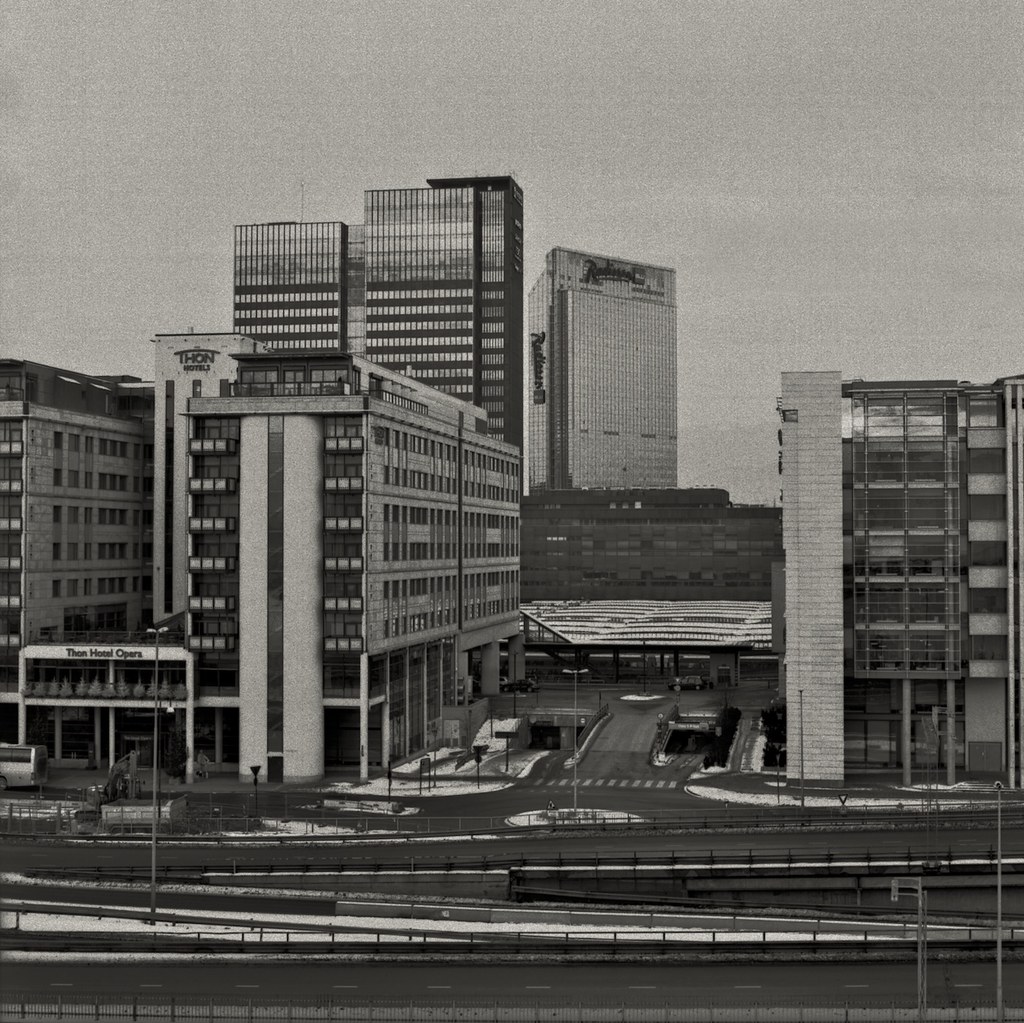
The two tallest buildings in Oslo. EI 1 to 5, Acros 100, Caffenol-C-M 12min @ 20C

Self portrait. In shadow, so EI probably 5-10 somewhere,Acros 100, Caffenol-C-M 12min @ 20C
In fact I rather like the first picture, the gritty look is becoming and suits the subject material. I´ll be printing this one once I´ve got a darkroom going.

Saturday, 22 January 2011

Acros 100, the long route

I´ve been trying to test Acros 100 for ages now. But for some reason a compound of non-related issues has prevented me from doing so. First my Mac decided to have a disk crash, so scanning any negatives was a no go. Then the camera that I´ve come to rely on felt it needed a hiatus, the shutter giving in. First intermittently, then more or less all the time; ruining three rolls of Acros in the process.

Finally though I´ve been able to both expose, develop and scan enough Acros negatives for form an opinion. It rocks! Its even more fine grained than TMX, though I think I still might prefer TMX midtones. Its pushes very well, but funnily enough it pulls even better. I know, since the shutter stuck I have a host of negatives overexposed by at least 5 stops, probably more. Boy are they dense, but some are scannable on my lowly Epson V500, resulting in very heavy grained images - but not without some merit. More on that later.

Acros 100, rated at EI 200 for the most part. Developed in Caffenol-C-M (C-H without the bromide remember) for 12 minutes @ 20C.


Acros 100, EI200, C-C-M 12min @ 20C, taken with Flexaret Vb

Acros 100, EI200, C-C-M 12min @ 20C, taken with Flexaret Vb

Acros 100, EI200, C-C-M 12min @ 20C, taken with Kowa Super 66

I´ve also tested EI 50-80 and up to 15 minutes @ 20C, and they work just as well. Acros is almost as robust as TMX when it comes to exposure and development latitude.


Wednesday, 15 December 2010

New old brew

I´ve now used up all of 6 litres of developer, 12 films in all. I had to pour out some moldy coffee, but apart from that I used every drop I pre-mixed in the beginning of October. I´ve brewed up new solutions for this the latest TMAX100 film (examples below). I´ve dispensed with Potassium Bromide altogether. Whether or not that was a good idea I´m not sure. For the first time I´ve got what could be streaks, 2-3mm along one of the edges of most of the frames. I´m not sure why. Anyhow, when mixing the new Ascorbic acid and Sodium Carbonate solutions together, before adding coffee, I could see a marked difference in colour. The stored solutions grew ever more yellow when mixed, the freshly mixed solution however turned a very pale greenish yellow. Whether or not this change in reaction has anything to do with the developing capabilities I couldn´t say. I seem to be getting good results no matter how long the mixtures have been stored.

Fresh Caffenol-C-M (no PB remember):
TMAX100, Caffenol-C-M
TMAX100, Caffenol-C-M (if you pick one to enlarge, this is it)

TMAX100, Caffenol-C-M

TMAX100, Caffenol-C-M

Caffenol-C-H, almost C-M

On Reinhold´s recommendation I´ve been slowly, but surely, making my way from C-H to C-M Caffenol for TMAX100. The difference being potassium bromide, or the lack of it with respect to Caffenol-C-M. This is the last film of TMAX100 with any PB at all, 0.2g/l to be precise. Its also the last film from the old batch of chemicals, but with fresh coffee.

TMAX100, modified C-C-H

TMAX100, modified C-C-H

TMAX100, modified C-C-H

Tuesday, 7 December 2010

More of storage of Caffenol pre-diluted components

As you know, I dilute each of the three main ingredients at 3x strength and store in stand bottles. It works too, at least for something in the region of 6 weeks. I´ve a hypothesis that the sodium carbonate and the ascorbic acid will keep very well. I can´t see why the first should go off, and the second is often used as a preservative. But the coffee, it will go off sooner or later. I therefore performed a test to see how well the coffee mixture will perform at the end of its useable lifespan. At six or seven weeks it starts to develop mould. I would suspect that in the warm summer this can be shortened by a couple of weeks or more. I developed two films the same evening. Both films developed in developer mixed from the same well matured sodium carbonate and ascorbic acid mixes, but one with the old coffee mixture, and one from a fresh batch of coffee. I used 18 minutes for the old coffee mix, and 16 for the new, both @ 20C/68F. I´ll jump the gun and reveal that I couldn´t quite see much of a difference. Judging from the film edges and the Kodak markings both films were developed to within a hair´s breadth of each other. Meaning that the old coffee most likely had deteriorated somewhat, it had been developed an additional two minutes, but not so much as to have an impact on the end result. Both films were equally easy to scan, I would hesitate a guess that they would perform well when subjected to darkroom enlarging.

A few examples from each film.

TMAX100: Old coffee, as are the other chemicals

TMAX100: New coffee, otherwise "old" chemicals

TMAX100: Old coffee, as are the other chemicals


TMAX100: New coffee, otherwise "old" chemicals


TMAX100: New coffee, otherwise "old" chemicals

I´ll be using the rest of the now 9 week old sodium carbonate and ascorbic acid solutions until empty. I find no reason not to. The coffee mix will most likely keep for a good 6 weeks.

Oh, and I´ve just ordered some Fuji Acros 100, it´ll be fun to see if it performs as well as Reinhold at the Caffenol.blogspot says, and if it compares to my TMAX100 experiences.

Note: All pictures taken with my Kowa Super 66

Tuesday, 23 November 2010

Does Caffenol expire, or can it be stored?

Its been said that the Caffenol ingredients can´t be diluted in water prior to use, as they will rather quickly loose their effectiveness. As with most things, at least according to my experience, this depends. If you are happy with your solutions still working 6 weeks after dilution, then yes, solutions can be premixed. By this I mean mixing with water as to be ready for mixing when developing, negating the need to measure up and dissolve powders when the time comes to develop a film. It also helps reduce measuring inaccuracies, as you will be operating with much larger amounts of the different components.

There are three main ingredients to Caffenol-C-H and C-M. Sodium Carbonate, Coffee and ascorbic acid. C-C-H may need a dash of Potassium Bromide, I´ll come to that later.

My Paterson 4 tank takes 500ml of developer for a 120 film. I therefore want to measure up three equal parts, volume, to make up the developer. This means that each premix solution needs to be 3x more concentrated before mixing. I take three two-litre compressible stand bottles such:

Sodium Carbonate: 3x54 grams pr litre (162g/l), two litres = 324g/2l
Ascorbic acid 3x16 grams pr litre (48g/l), two litres = 96g/2l
Coffee (instant) 3x40 grams pr litre (120g/l), two litres = 240g/2l

This will result in 6 litres of developer, enough for 12 shots of 500ml (1/2l) in a Paterson 4 tank

If you need Potassium Bromide, premix it to a concentration of 1g/10ml and add between 2.5 and 10ml (0.5g - 2g/l) to the mix if needed. Faster films typically need more, slower films may even do without.

I´ve done this. Apart from the advantages listed above, you will be able to start development much quicker as all you need to do is mix the solutions together and use more or less immediately. You need not wait for the powders to dissolve and the solutions to settle. I mix the carbonate and ascorbic acid first, then add the coffee last.

Does it work? Well all the films from the previous blog entries here have been developed from the same premixed solutions. A few examples from last film I developed can be seen below. At the time of developing the solutions had been stored for over 6 weeks!

Kowa Super 66, Kowa 85f2.8, TMAX100, EI 80, Caffenol-C-H, 16min@20C


Kowa Super 66, Kowa 85f2.8, TMAX100, EI 80, Caffenol-C-H, 16min@20C


Kowa Super 66, Kowa 85f2.8, TMAX100, EI 80, Caffenol-C-H, 16min@20C


Kowa Super 66, Kowa 85f2.8, TMAX100, EI 80, Caffenol-C-H, 16min@20C

Saturday, 13 November 2010

Back to TMAX100 in Caffenol-C-H

This seems to be a trustworthy and safe bet, every time. I´ve now landed on a Caffenol-C-H derivative which follows the standard recipe to a T, apart from a reduced level of potassium bromide; 0.4g/l. This roll was exposed under very different conditions. From afternoon sun, cloudy conditions, to night long exposure scenes. All came out very nicely.

TMAX100 in Caffenol-C-H* @20C/68F 16 minutes

In the woods just before sundown (enlarge to see it in detail):
Kowa Super 66 w/85f2.8 TMX EI 80

Night shots:

Kowa Super 66 w/85f2.8 TMX EI 80 (reciprocity corrected 32s metered, 65s exposure, 1/8th GN48 flash pointed skywards to illuminate weather vane)


Kowa Super 66 w/85f2.8 TMX EI 80 (reciprocity corrected 35s metered, 75s exposure)

Caffenol-C-H took all in its stride. TMAX100 and C-C-H is a bullett proof combination.

Wednesday, 10 November 2010

Caffenol-C-H second test roll TMY-2

Second roll of TMAX400. This time upped the potassium bromide to the Caffenol.blogspot.com recommended base level. TMAX100 seems to require no bromide at all to keep the haze in check, TMAX400 however is another matter. Even with 1g/l this second go wasn´t without quite a bit of haze, though better than the first effort. Made for an easier time in post-processing. When I next get hold of TMAX400, I´ll be upping the bromide a bit more, and adding somewhat to the development times as it to a certain degree arrests development.

Autumn at its dreariest does have its own allure. Kowa Super 66 w/85mmf2.8, TMAX400 EI 320, Caffenol-C-H @ 13m45s 20C:


Kowa Super 66 w/85mmf2.8 @f11, TMAX400 EI 320, Caffenol-C-H @ 13m45s 20C

Sunday, 7 November 2010

Caffenol-C-H first test roll TMY-2

After, at least my my standards, finding a successful recipe for TMAX 100, I thought I´d have a go at TMAX 400 (TMY-2). This seems to be a different emulsion altogether. I looked up whatever I could find on TMY-2 in Caffenol. The caffenol blogspot had some examples of course, but these were done in Caffenol-C-L, not C-H. Stand development, and not agitated etc. So were to start? Well I took the same solution as before, C-C-H with reduced potassium bromide levels, and my experience with development times TMAX 100 and guessed at 15 minutes @ 20C. I shot a roll of 120 film at EI 200, 400, 800 and 1600. Something or other didn´t quite fit. Exposures EI 200 to 800 more or less came out equal. Flat, rather flatter than TMAX 100. The negatives also displayed a lot more haze than with TMAX 100 (were haze is practically non-existent). The results don´t really merit being put up here, apart from one shot which came out rather nicely. At least the whole roll wasn´t a disaster:
TMY-2 EI 800 in Caffenol-C-H 0.4g/l potassium bromide 15min @ 20C
Looking at the negatives I wouldn´t say they were underdeveloped. I will develop my next roll with 1g/l of bromide and see how that goes. I´ll reduce the development time a couple of minutes too.

Thursday, 28 October 2010

DIY grip for the Kowa Super 66

The Kowa grips are not that hard to get hold of. Neither are they expensive. There are two types, both have the same handle, but one is attached to the side mount only and uses a release cable, the other is attached both to the side and with a bracket along the the bottom of the camera and handle. The latter has a built in mechanism to trigger the shutter. Both have an accessory shoe for a flash or spirit level or other.

However, I thought I´d capitalise on my recent experience in the woodworking of my DIY 4x5/6x12 camera. I liked the ultimate handle´s design features and went about making a handle similar to it.

Design demands: A rectangular handle, but should still be ergonomic. Thumb activated shutter release. Attached both to side and bottom of camera. Accessory shoe. Relatively easy to mount and unmount. If possible should still be able to mount camera on tripod with grip attached.

I used a piece of pine, 20mm thick. A piece of sheet aluminium 1mm thick. A flash bracket. A 3/8" to 1/4" tripod adapter. Two 1/4" tripod screws, both male and female at the same time. A couple of smaller bolts. Mahogany stain, black satin paint, and clear gloss lacquer. Glue

And this is the result:
 
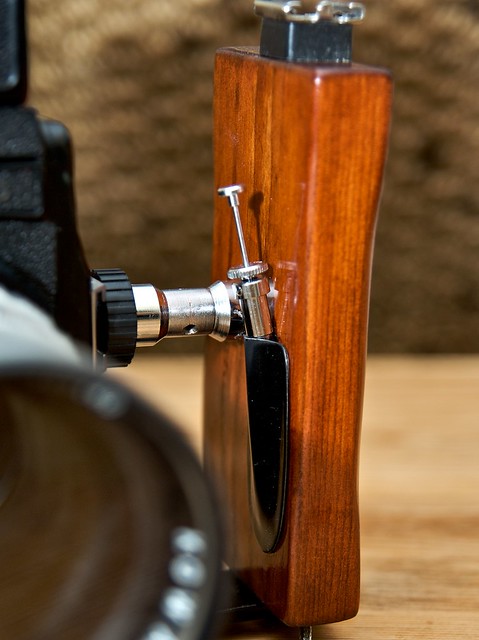
Side mount and release cable runs through grip, held fast by sculpted piece of black painted aluminium

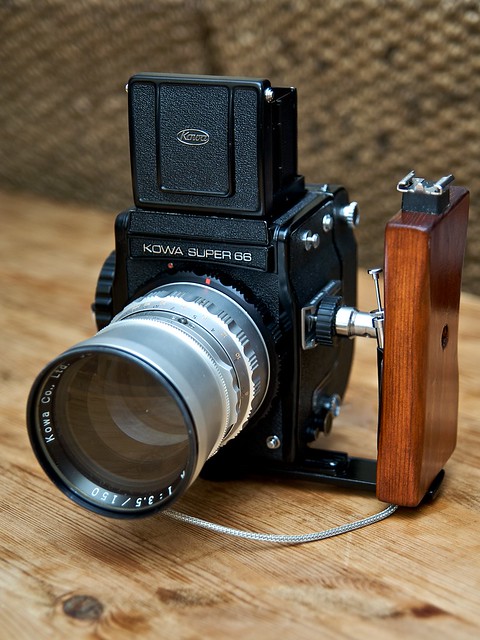
3/4 view. You can see both side and bottom mount (an adapted flash bracket)
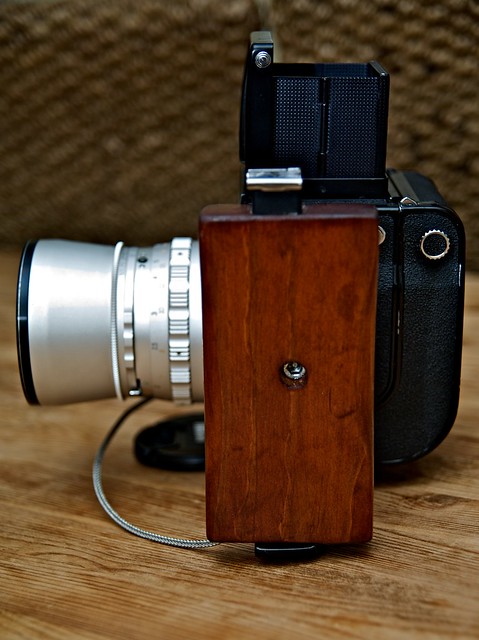
Side view. 6mm bolt runs through grip into tripod adapter. A 4mm bolt through bottom bracket into handle
where a nut has been seated and glued
A final addition will be a leather strap stretching from top to bottom towards to the outside, which I can slip my hand through. Makes for easier carrying, and I won´t drop the camera. Did it meet my design criteria? Yes, for the most part. My only gripe is it taking 2 or 3 minutes to attach and remove. 

Tuesday, 26 October 2010

Caffenol-C-H third test roll

After a first attempt somewhat underdeveloped and a second slightly overcooked, the third effort has been developed in Caffenol-C-H with just 0.5g/l of potassium bromide (Reinhold @ the Caffenol blogspot says I can cut it out altogether) and for 16 minutes @20C/68F

At first when scanned I wasn´t quite as impressed as with effort no. 2. They seemed to be slightly flatter than the previous attempt. But after post-processing I think they turned out nicely. The micro contrast is still well controlled, and highlights are nowhere near being blown. Shadows are full of detail, if one would want to draw it out. Here are some examples (click for larger version, they do the pictures more credit):


My Caffenol set on Flickr

I´ve been able to get consistent results, and results I like, over the last films. I will definitely continue using Caffenol for TMAX100 from now on. Next tests will be with TMAX400, I just need to get some first.

Try it out. Its not at all difficult. And the negatives do have a signature, if you like it, you need to try it out.

Monday, 25 October 2010

Caffenol-C-H second go

The results from the first film were encouraging. There were little in the way of streaks, uneven development, spots and the like to suggest that Caffenol should be written off as a mere mad chemist´s concoction. It works, and does nice things to the negatives too. So armed with new knowledge I went about developing film two. Same recipe as last time, though a tad less potassium bromide, now only 0.8g/l. But 18min @ 20C/68F, 1min initial agitation, 10s every minute.

And boy did this knock my socks off:
Overcast with a bit of sun. High contrast lighting
Overcast, rain and dreary, low contrast lighting
Same conditions as above

 I´m very content with the quality of the negatives. The somewhat muted contrast, the way Caffenol reigns in the highlights at the same time as it draws out shadow detail is impressing.

They may be a tad overdeveloped however. So next effort will be shortened to 16mins or thereabouts.

What´s stopping you trying out Caffenol?

Sunday, 24 October 2010

Caffenol-C-H first try

Hanging out on Apug can be hazardous to your health. The Scandinavian forum has a few rather enthusiastic members advocating the advantages of brewing your own developer. As self professed DIY'er this sort of thing appeals to me. Reading their input and Reinhold's Caffenol blogspot convinced me that this is not only possible, but can be advantageous too. Caffenol can act as a speed enhancing developer, and to a certain degree as a compensational developer, allowing shadow areas to develop faster than highlights, making high contrast scenes salvageable, while retaining shadow detail. The ingredients can be found in your local grocery, hardware or pharmacy store. One might not exactly save money compared to a commercial developer, but I was looking forward to the sense of accomplishment one gets when doing things yourself. All developers have a signature of sorts. My current TMAX developer is rather strong on contrast and gives good thick negatives. Which is fine for printing, but not so much for scanning with flatbed scanners (due to their lower DMax ratings). I could of course experiment with different temperatures and dilutions, more or less fixing, different stop baths etc, but that doesn't seem quite as compelling as brewing my own developer. Reinhold's blog has more information on the subject of Caffenol than any other site I´ve found. Armed with the recipes found here, and experiences shared by my fellow Scandinavian Apug members, I went about getting hold of the different ingredients.

Caffenol-C derivatives all require three main ingredients. Vitamin C in addition to the basic original Caffenol ingredients of instant coffee and a pH regulating substance, normally sodium carbonate. The addition of vitamin C makes for faster development times, and it also goes a long way in hindering the coffee staining the negatives. It might introduce haze on some films, but that can be counteracted by using very small amounts of citric acid or potassium bromide. I chose to start with Caffenol-C-H for my TMAX100 and 400 films.

For every litre of ready developer you need the following ingredients:

  • 54g of Sodium Carbonate (Washing soda, anhydrous)
  • 16g of Ascorbic acid (vitamin C)
  • 40g of Instant coffee (the darker and less palatable the better, preferably Robusto coffee as it contains more of the active agent caffeine acid)
  • 1-2g of Potassium Bromide*

*TMAX films evidently are not susceptible to haze, so I cut back on the bromide to under 1g/l

Development times vary, depending on the film type and speed, and of course on your own preferences. 15 minutes at 20C/68F is recommended as a starting point. I´d seen examples of decidedly shorter development times that turned out quite nicely, so I thought I´d start off with 11-12 minutes. Thinner negatives would still be scannable, or so I thought.

My first film of TMAX100 I exposed a few scenes bracketed one stop above and below the nominal EI of 100. I dissolved each ingredient separately and bottled them for later use. I took into account the final mixing ratios so I could mix the three main ingredients in equal amounts totaling 490ml, topping off with 10ml of 1g/10ml concentration Potassium Bromide solution. (Hopefully the pre-mixed ingredients will not go bad before I have time to make use of them)

Film loaded in a Paterson 4 tank, 11 minutes development, normal agitation scheme (1min initially, 10s every minute thereafter), water stop bath (1min), TMAX fixer (5min), washing and photo-flow (20min).

How did they turn out? Well, I should have listened to Reinhold. The negatives where thin, a bit too thin. However there were quite a few negatives which were no more difficult to scan and post-process than TMAX developed negatives, just different.

Here are a few examples (test images, not chosen for their photographical merit, click to enlarge):
EI 100, levels adjusted, exposure ramped up 0.7,
mid-contrast increased
EI 100, levels adjusted, exposure ramped up 0.7,
mid-contrast increased

EI 100, levels adjusted, no other post-processing

With a little bit of help from my Scandinavian Apug friends I decided to up the development of the next film by 2/3s of a stop. More on the results from that film later.

Not counting the obvious underdevelopment, a fault of my own doing, I think the negatives came out pretty well. As promised, Caffenol does well in drawing out shadow detail, yet retaining the highlight information. The contrast is somewhat subdued, probably not helped by using venerable single coated optics, and can be seen as a disadvantage in the darkroom, but an advantage in my book as it gives my scanner a better time of scanning the negatives.