Visit my new blog

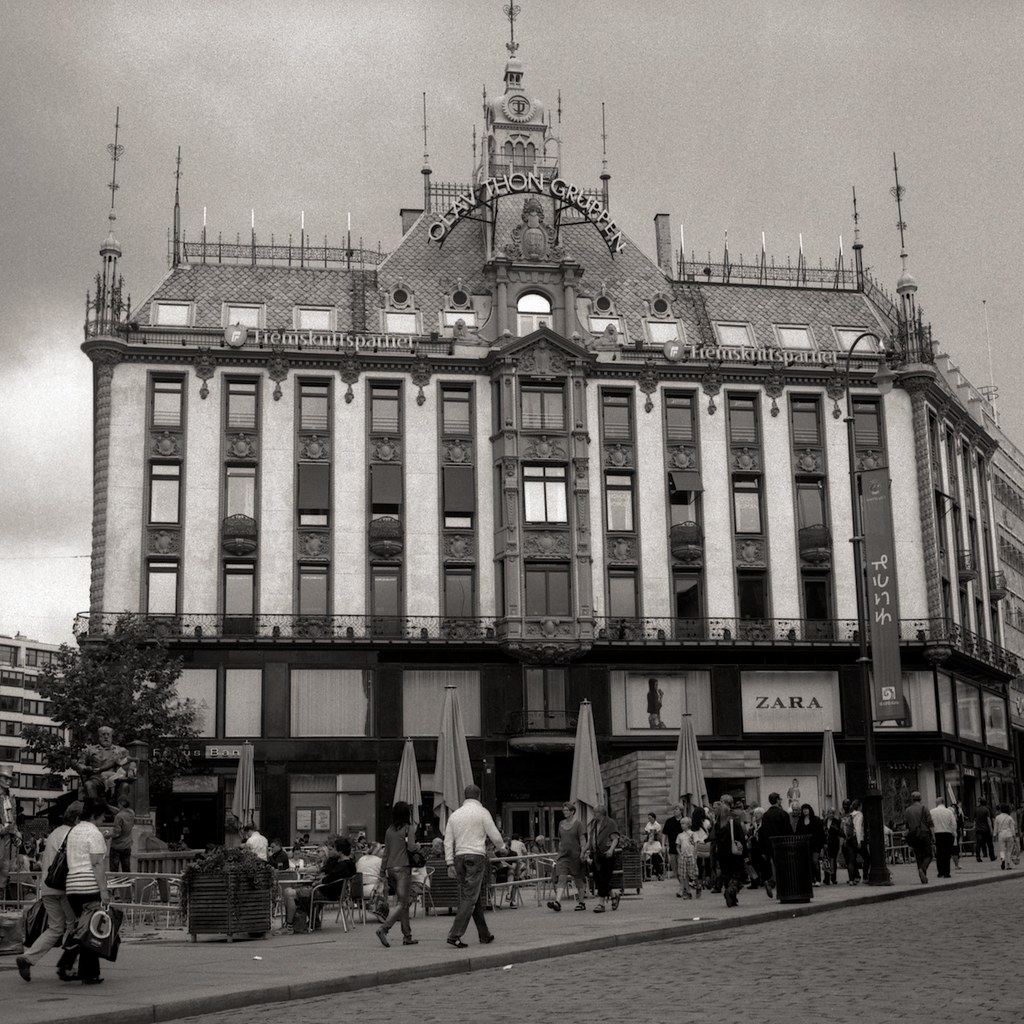
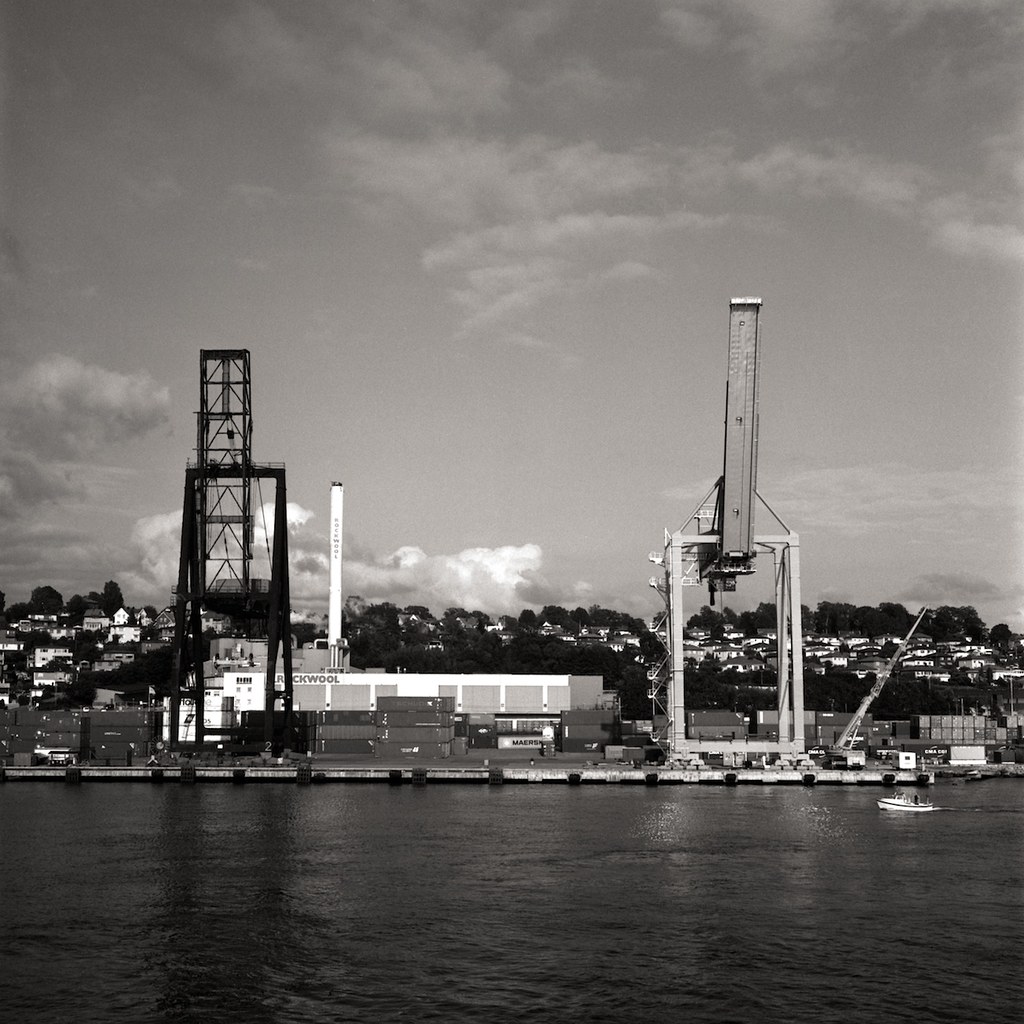
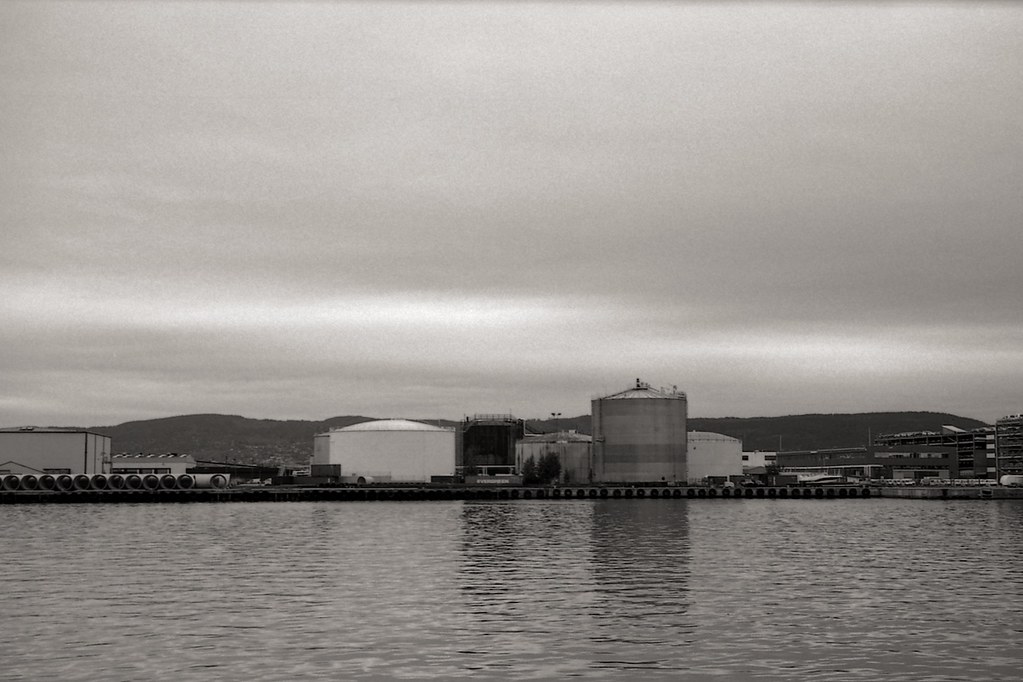
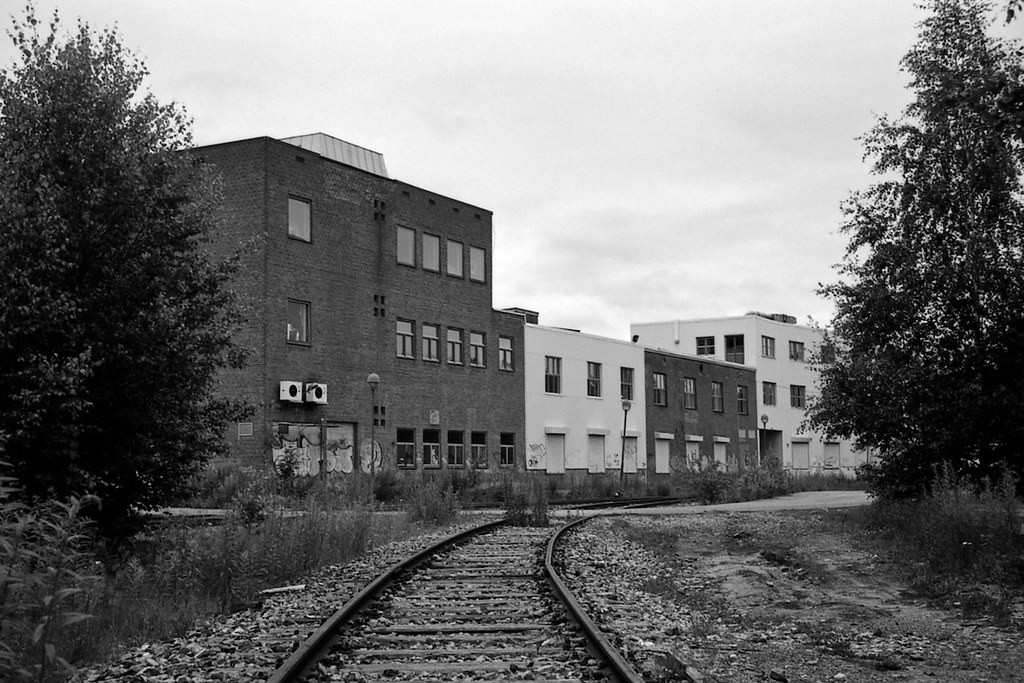
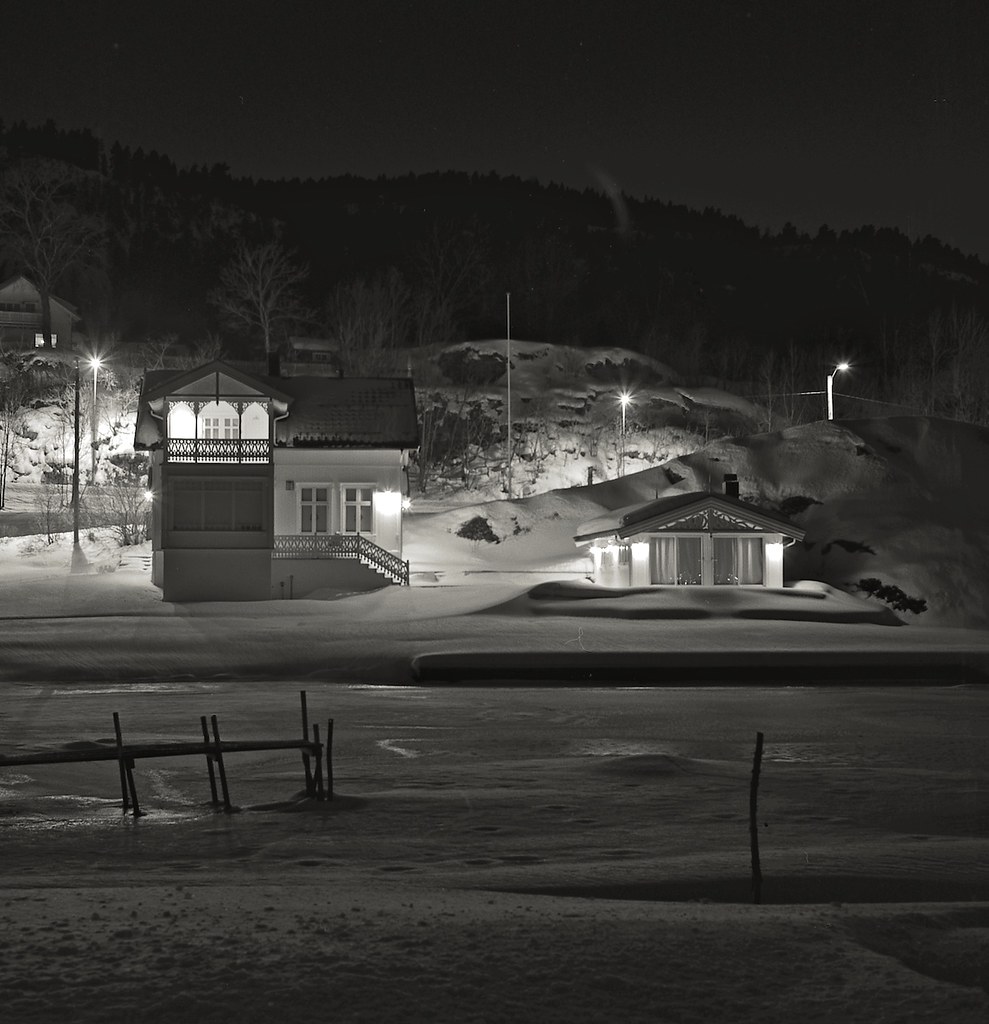
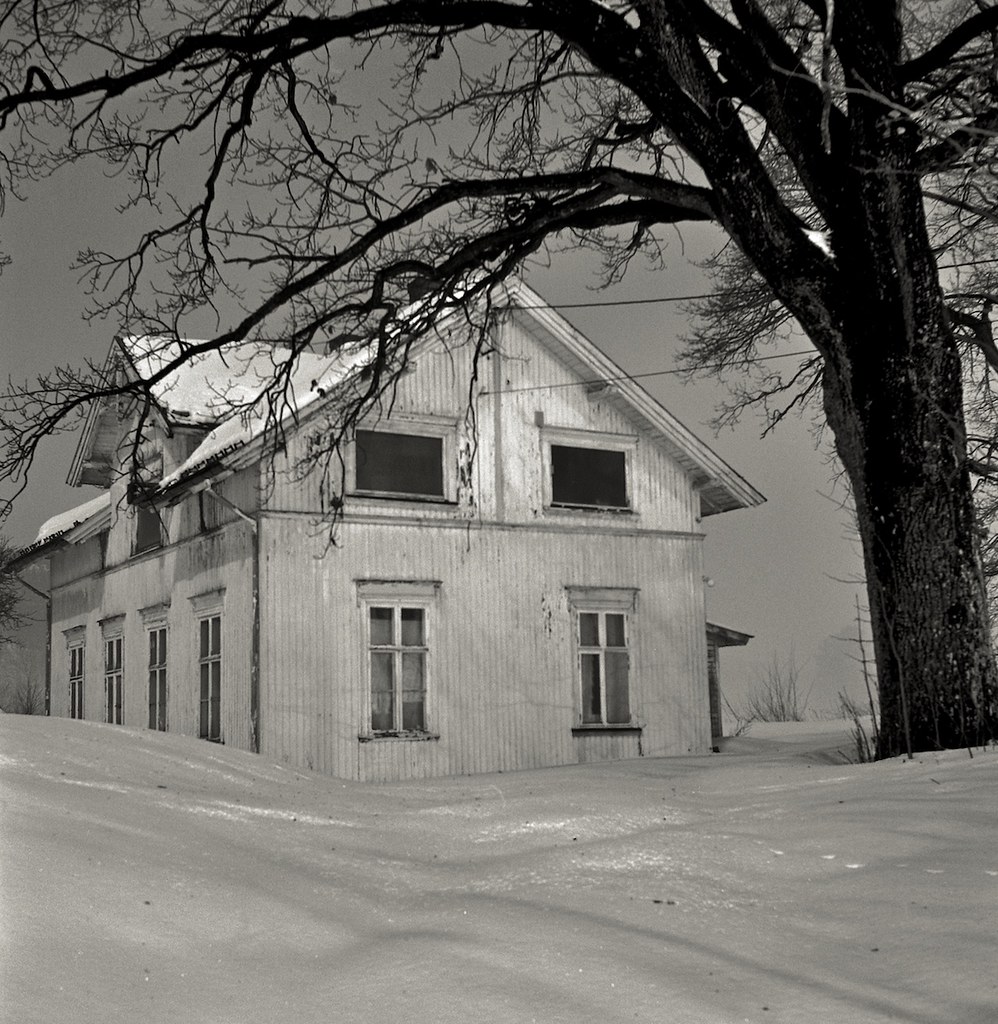
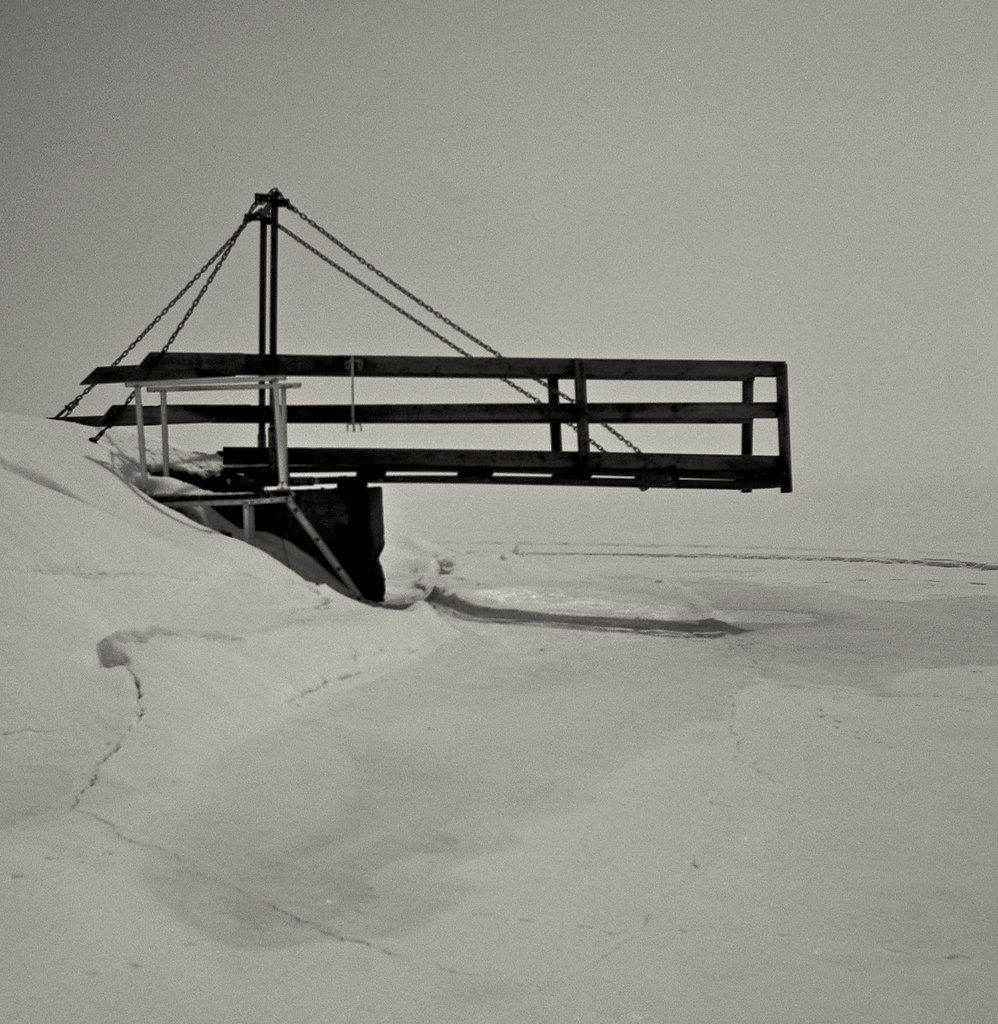
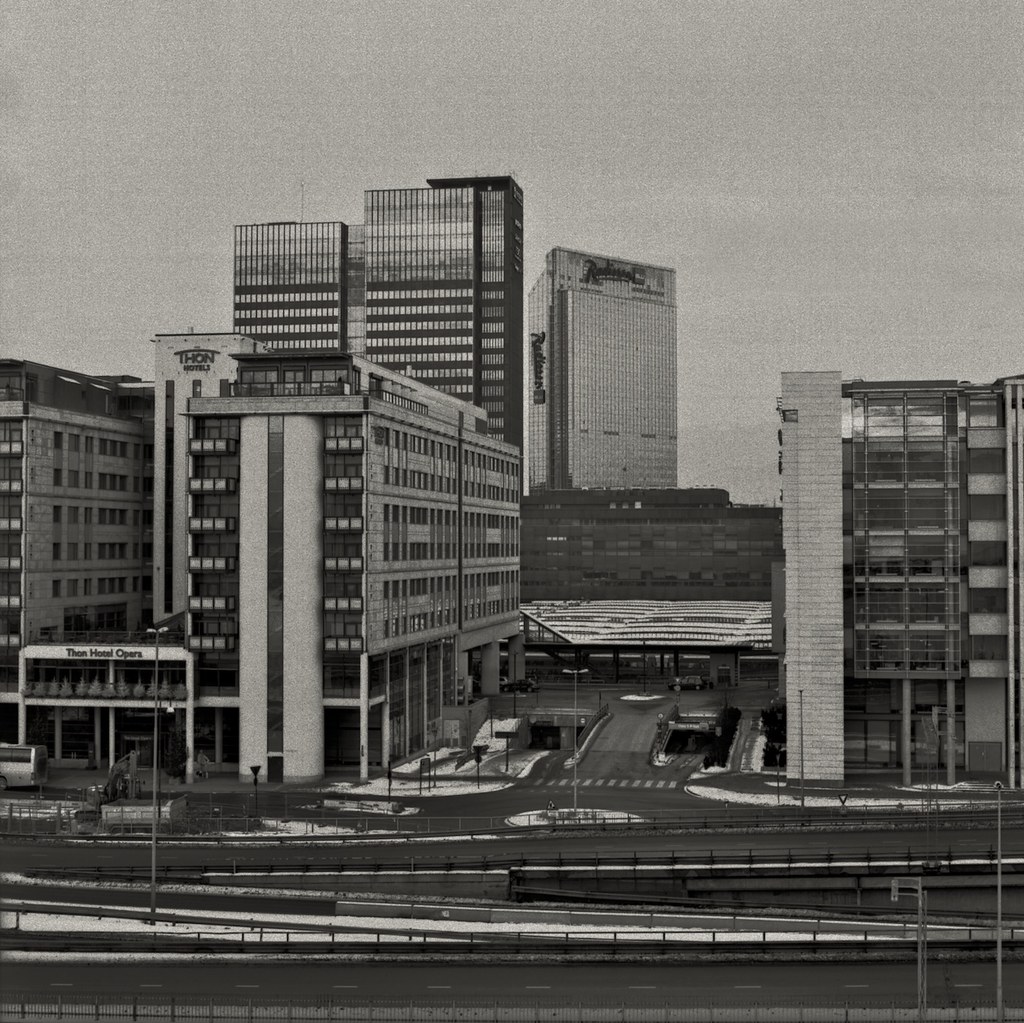
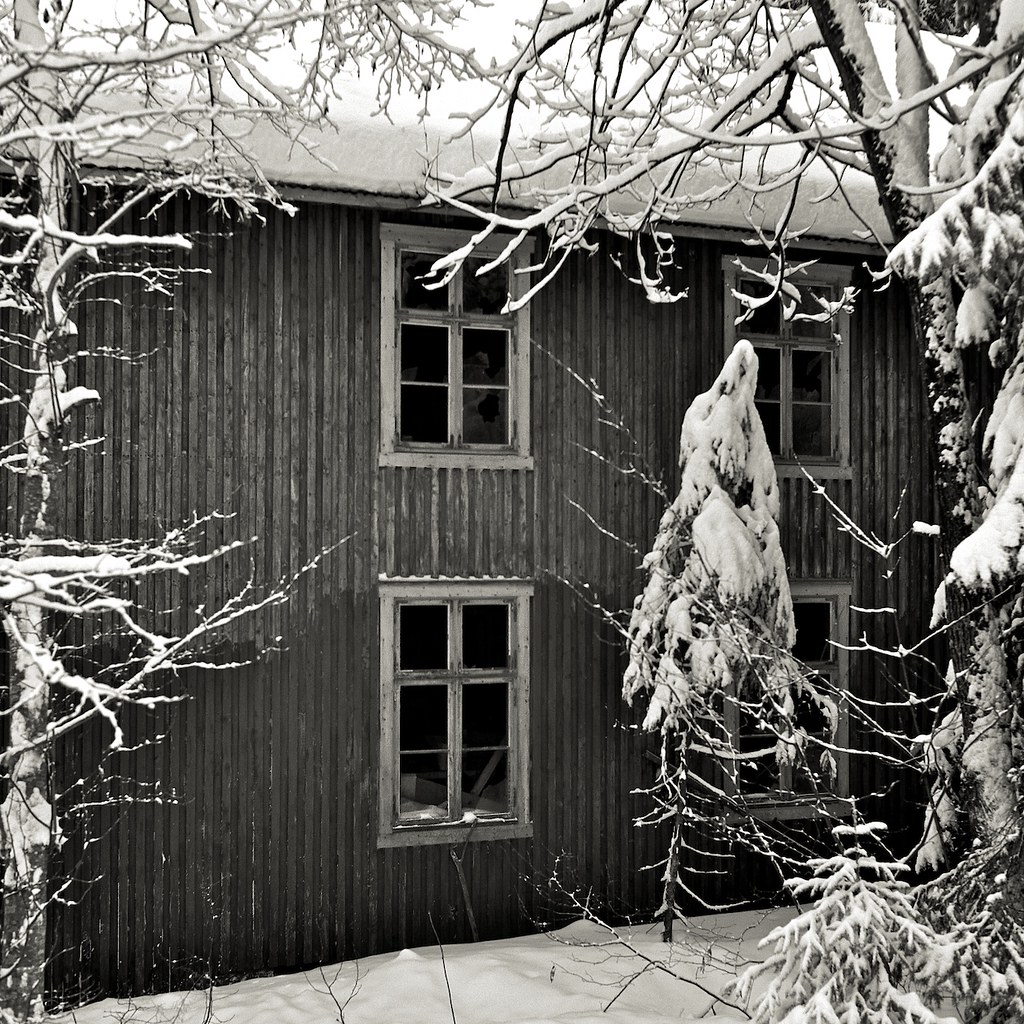
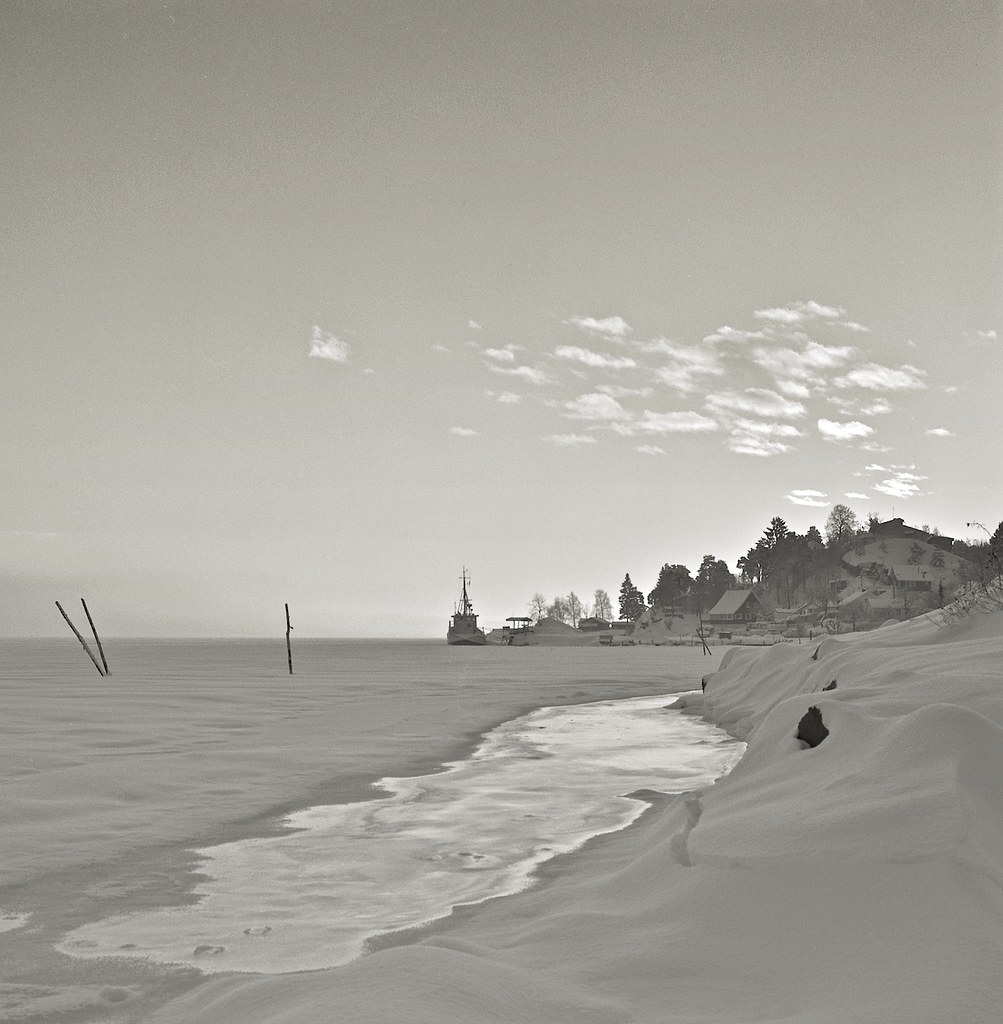
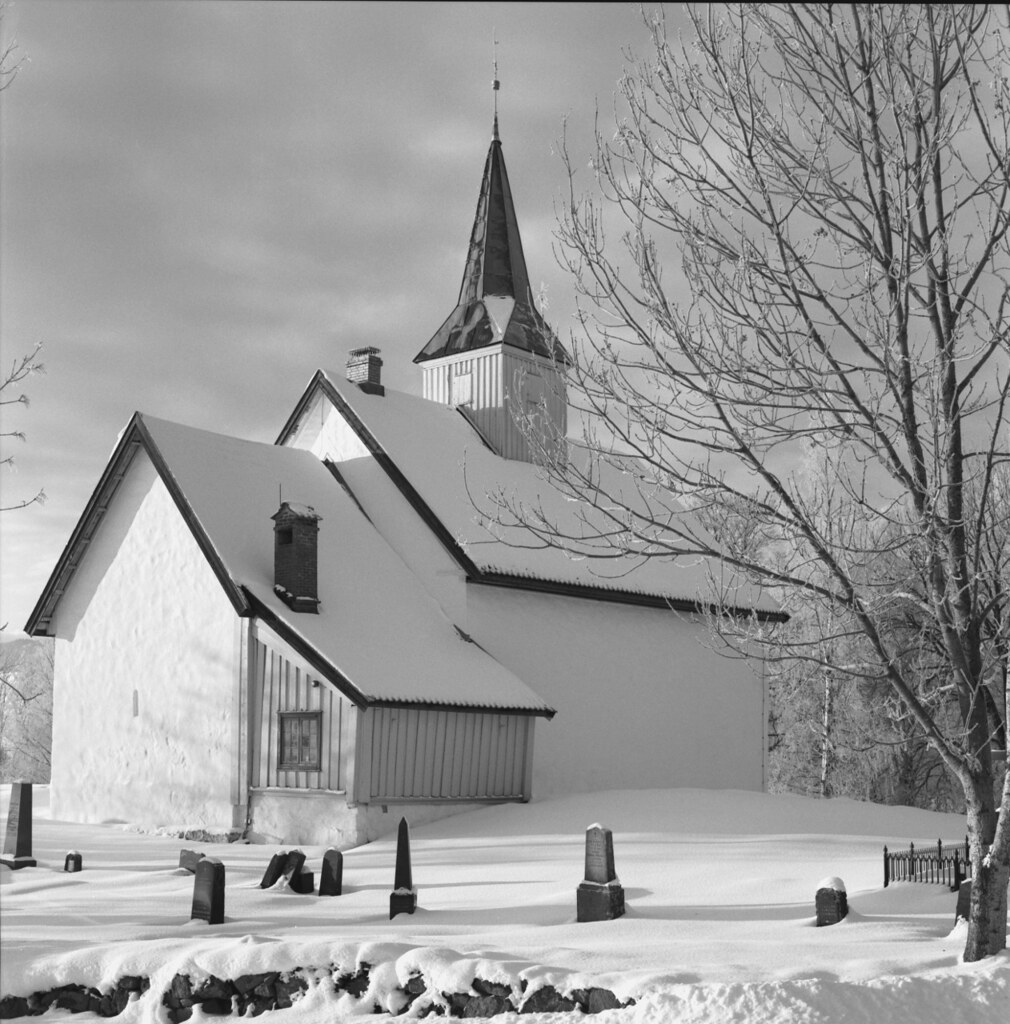
I´ve decided to split my blog in two. I will continue to post DIY projects and musings here, but (serious) pictures, taken on film of course, will be posted in my new blog "Silver Halides"

I now consider Caffenol to be a developer like any else. As such the new blog will focus more on the pictures, rather than the process.
Showing posts with label film. Show all posts

Sunday, 4 November 2012

I adore the I Adore

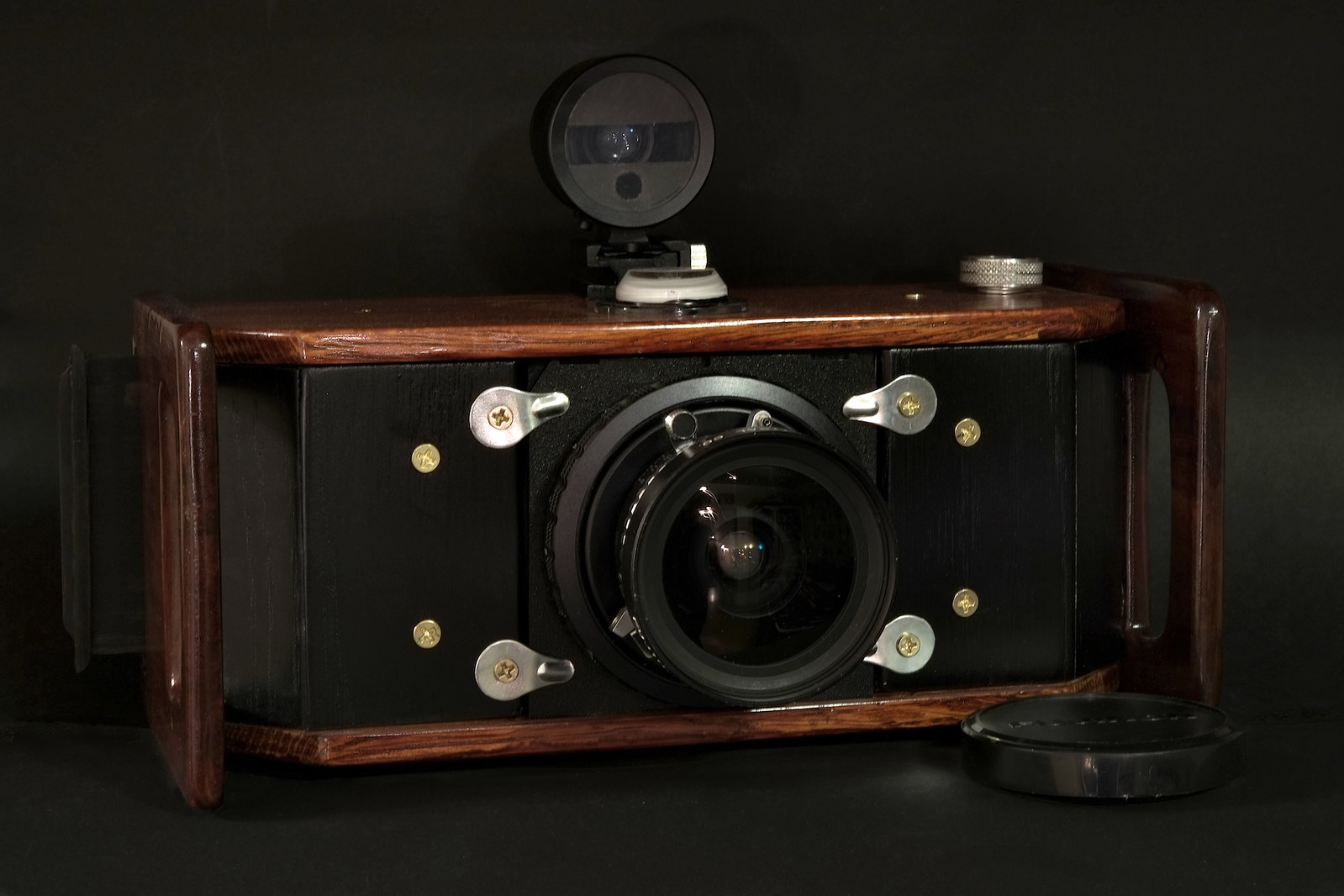
Though it worked fine from the get go, I have been tinkering a bit with the 6x17 "I Adore" camera over the last few months. Small things, some cosmetic, some practical. Made the light seals more substantial. Added a level and modified the finder mask to allow vieiwing of the level whilst composing. Added a tripod mount. Checked and adjusted the lens flange to film plane and other minor changes.

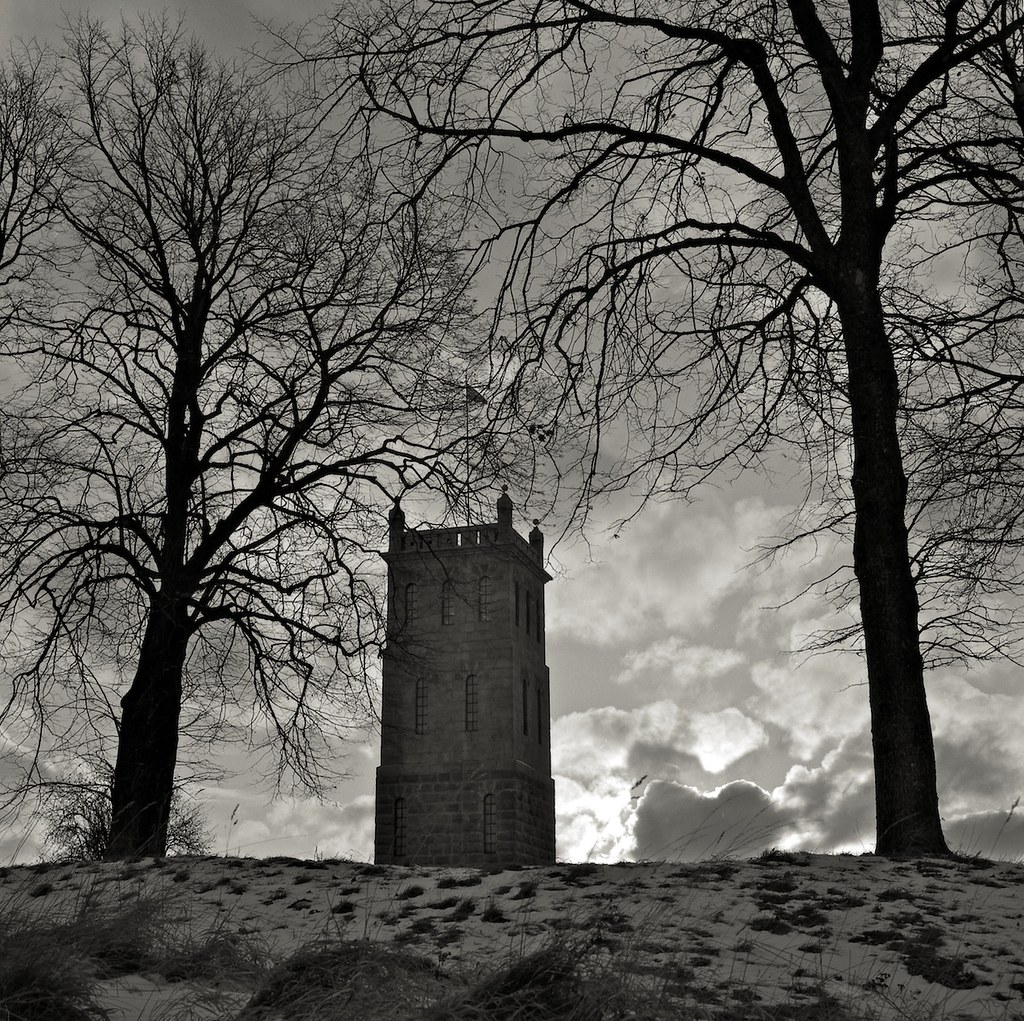
Still have to find a solution to films of variable thickness. The pressure plate works well with heavy duty Kodak films, but less so with the delicate Fuji films. Having said that, the picture of the palace below is sharp all across the frame, and it was shot on Acros. Maybe I need to stop worrying and just shoot more.


I Adore, DIY 6x17

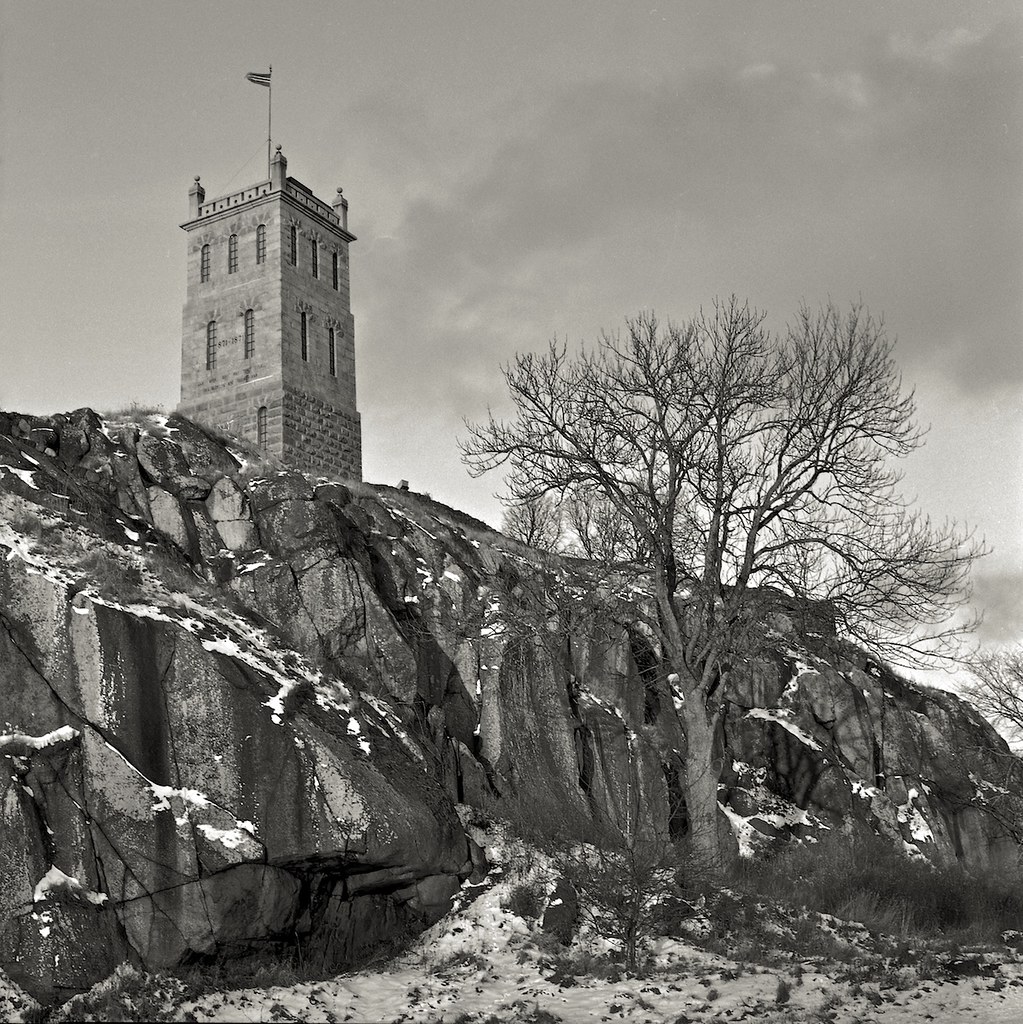
Norwegian Royal Castle, "I Adore" 6x17, Acros, Caffenol-C-M(RS)

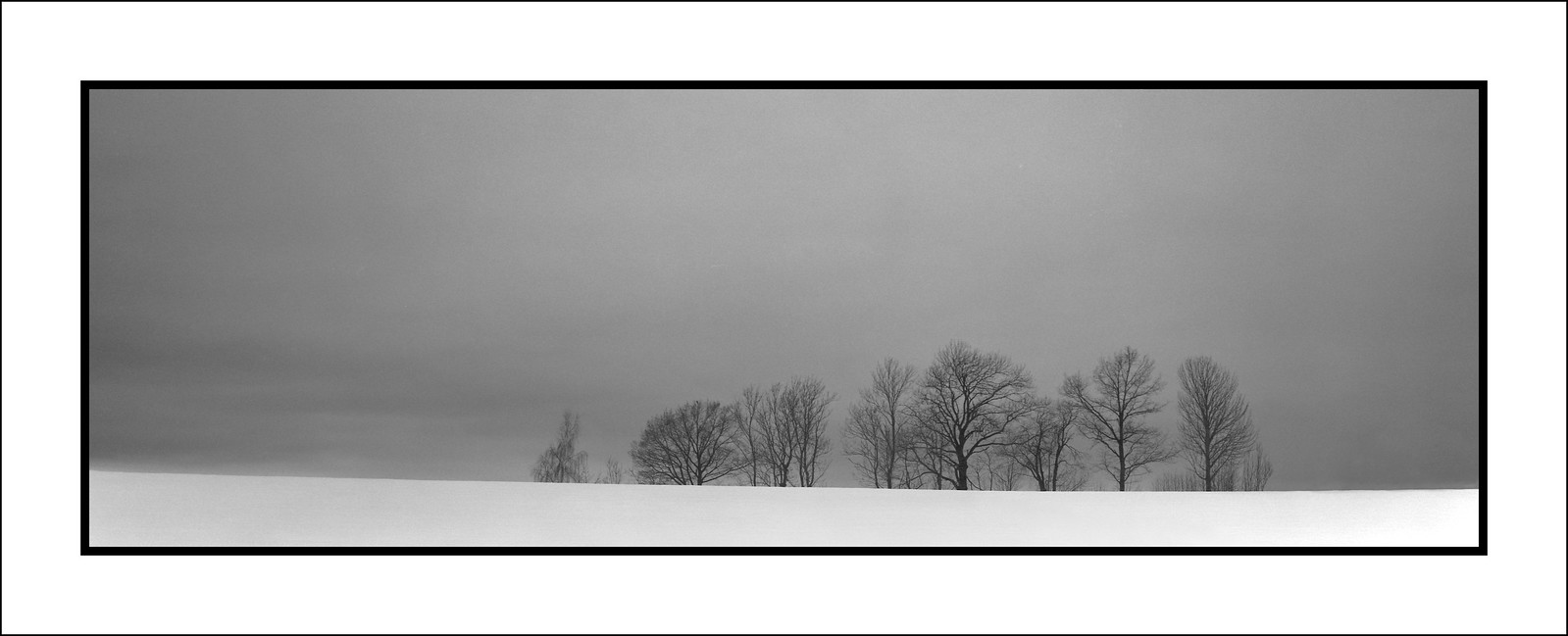
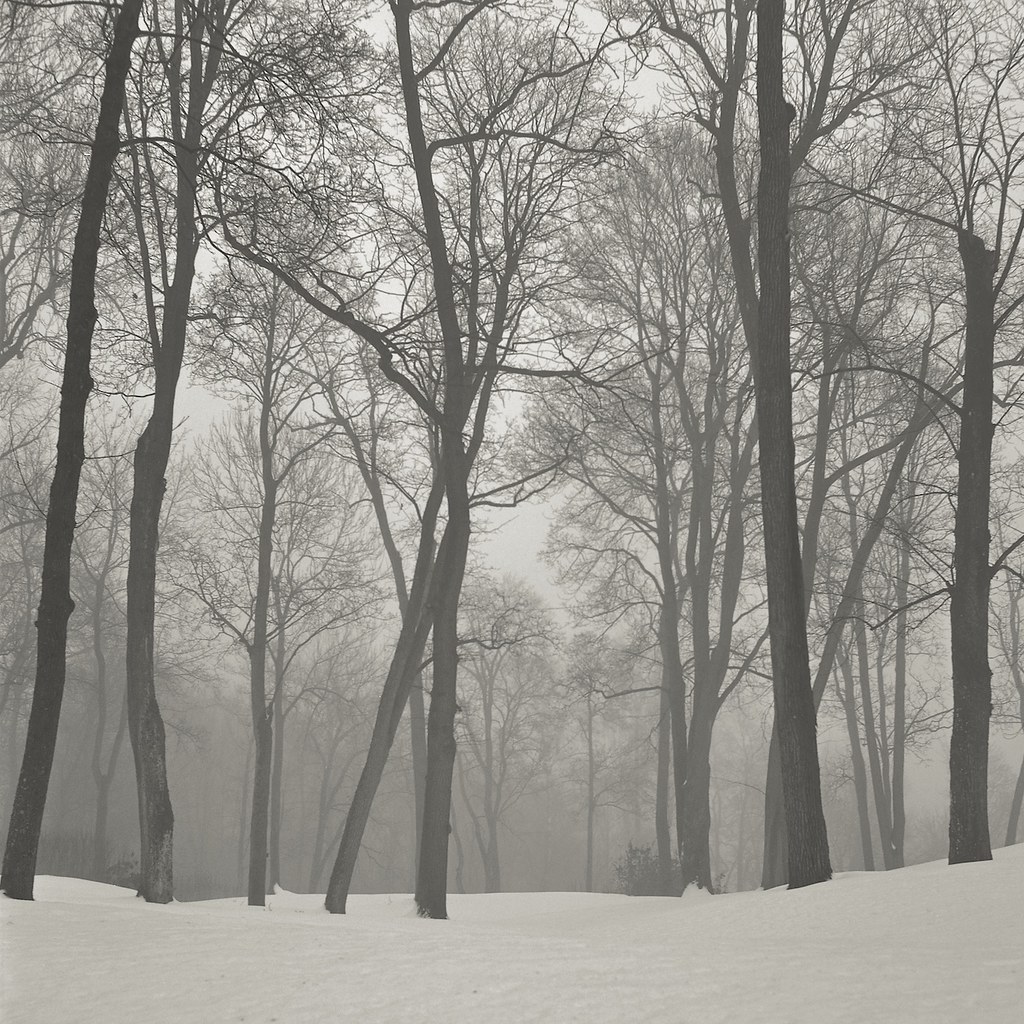
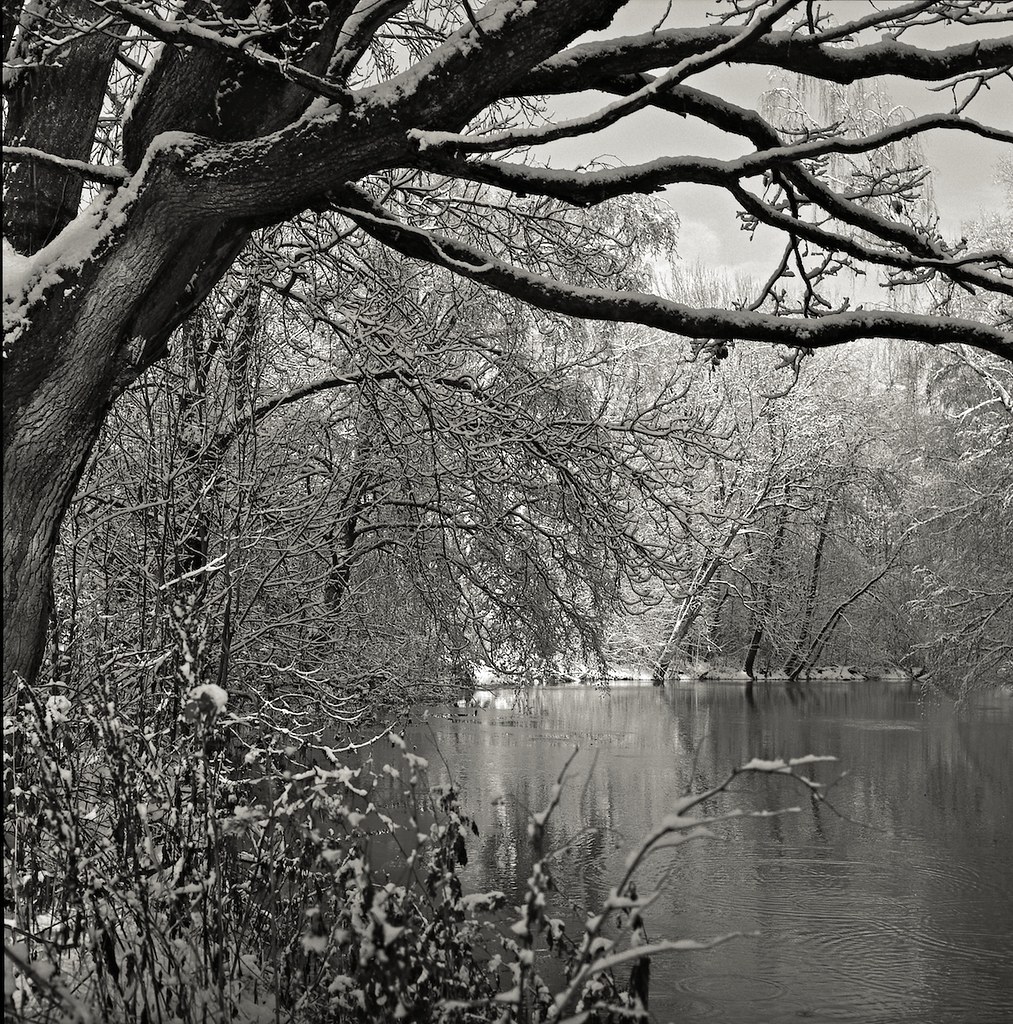
Trees in winter, "I Adore" 6x17, Portra BW400, Caffenol-C-H(RSA)

Thursday, 30 August 2012

Lucy the hybrid 120 roll film adapter

I´ve been having way too much fun with the 600SE converted 110A. With two CB-103 pack film backs I am equipped for any Polaroid occasion. One loaded with FP100C, the other with FP100B or 3000B. I like it so much I thought I would convert a 120 rollfilm back to mount on the camera too. Who would have thought it, the 110A a system camera?

The two main parts needed is of course a roll film back. I chose the Graflex 23 6x9 for its size, the Mamiya type backs may be better, but they would obscure the viewfinder. And you also need the mounting plate for a 600SE. On one of my CB-103 backs I measured the distance from the mount face as it meets the camera, and the film plane (I inserted a used film pack) and measured the corresponding distance with the Graflex taped to the mounting plate. 3,2mm needed shaving off somewhere. It can´t be done on the Graflex, there isn´t enough material to grind off. So I took a Dremel to the mounting plate and after a couple of hours had ground out enough for the Graflex to fit.

I then made a skirt and glued it to the Graflex in order to mate it to the mount. Painted black and applied light sealant before screwing the two halves together.

The parts, some tools and a cup of Livanto Lungo. Skirt seen to lower right.
It fits around the edge of the Graflex, glued 3.2mm from the face it
forms a lip enabling mounting to the adapter plate

The 600SE mounting plate, or adapter. 3.2mm has been ground out
from the right edge and just beyond the left edge of the light opening. Width
as for the Graflex back, not much more than the breadth of the opening top to bottom.

Lip glued to the Graflex, allowing the back to fit into the depression
in the mounting plate. Then screwed to the mount. Flocked all round.

As seen from the mount face

Mounted on the 110A
Edit: It works! From the first roll through the back. Another first (will make a separate post regarding the film used), Portra BW400CN in Caffenol-C-H (RS)

Polaroid 110A/600SE, Portra BW400CN, Caffenol-C-H

Sunday, 5 February 2012

Polaroids - yes instant film

I´ve recently started trying out instant pack film. Though Polaroid no longer make film, others do. Fuji make pack film for 4x5 and the 100 type film (3 1/4" x 4 1/4"). The Impossible project make another variant of films for the 600 type cameras including the SX-70 family and for Polaroid backs (for a number of MF cameras - the 600/600SE pro cameras amongst others).

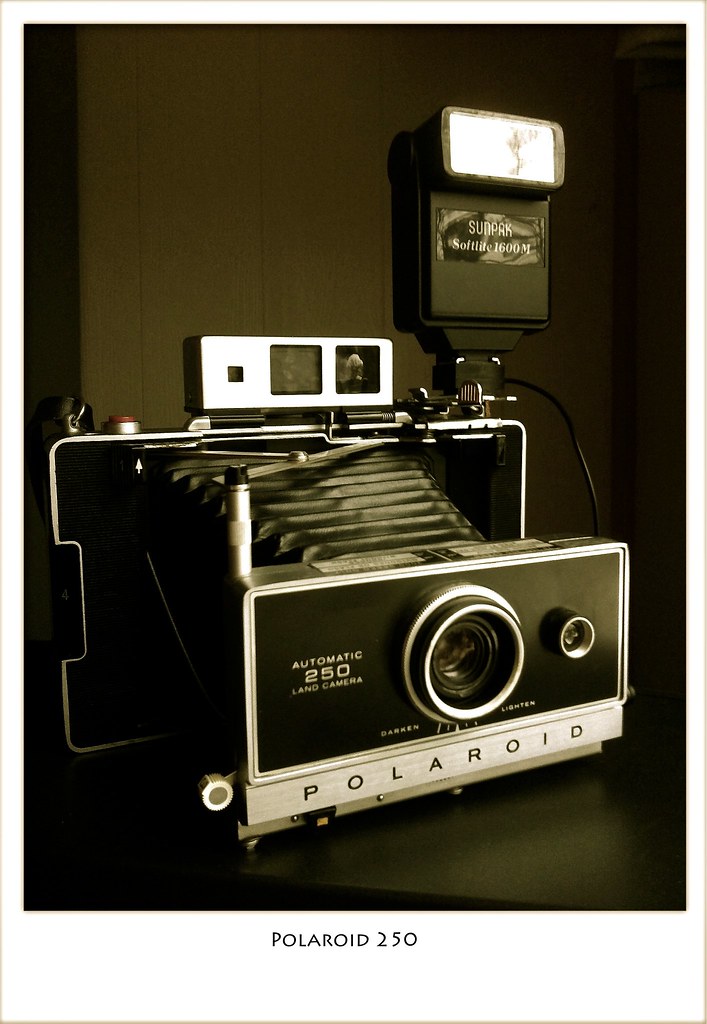
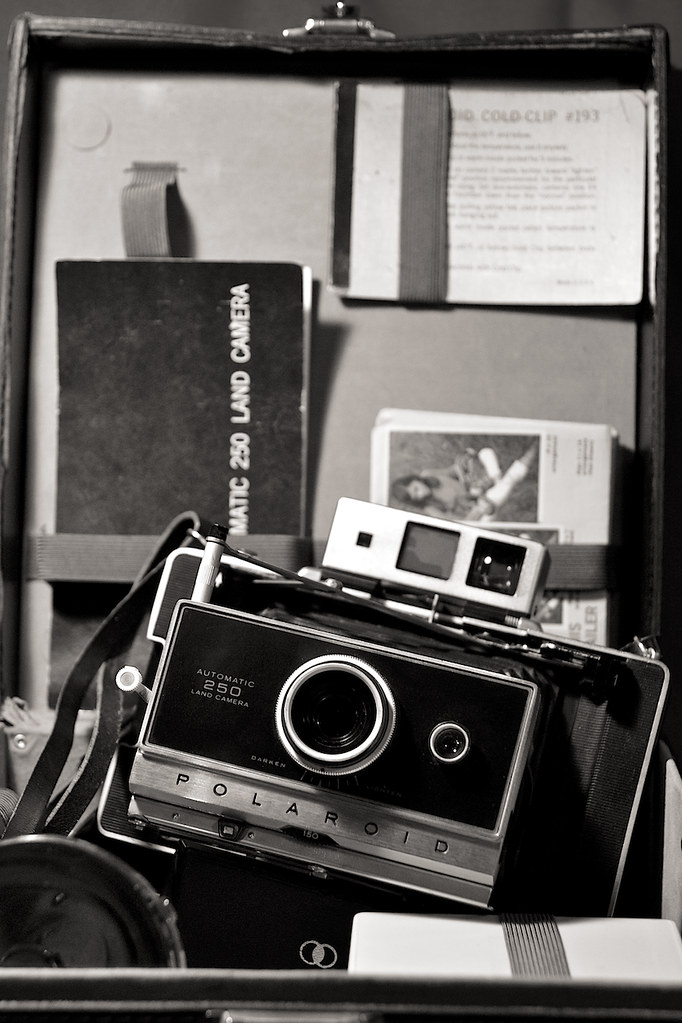
I blame Michael Raso at the Filmphotographyproject.com for this, its his fault and his alone ;-) He´s an advocate for all things Polaroid. Making a long story short I got hold of a Land Camera 250 in original case with #268 M3 bulb flash and portrait lens kit. I first converted the camera to use 3xLR03/AAA batteries instead of the arcane #531 4.5V battery. I then removed the #268 flash from its mount and screwed on a hot shoe with PC sync chord. I can now use the kit with any electronic flash I choose. So far I´ve used the Sunpak 1600M, but due to limited output I will be trying out an SB26 instead. What about M vs X sync you say? And you would be right. The X sync flash should have finished it´s cycle when the M sync shutter opens making the flash redundant, but for some reason or another it works.

This is what the camera looks like:
With Sunpak 1600M
With case and accessories

It´s winter and for the most part not much daylight. So Fuji´s FP3000B B+W film has been put through its paces. At 3000 ASA, it can be used both indoors and out handheld, without flash (at least that´s what the ads say) - even if the Land Camera 250 (and all its automatic brethren) has a max aperture of f8.8). Indeed it does work outdoors in rather poor light, indoors however I´ve been using flash.

Indoors, with portrait kit and Sunpak 1600M
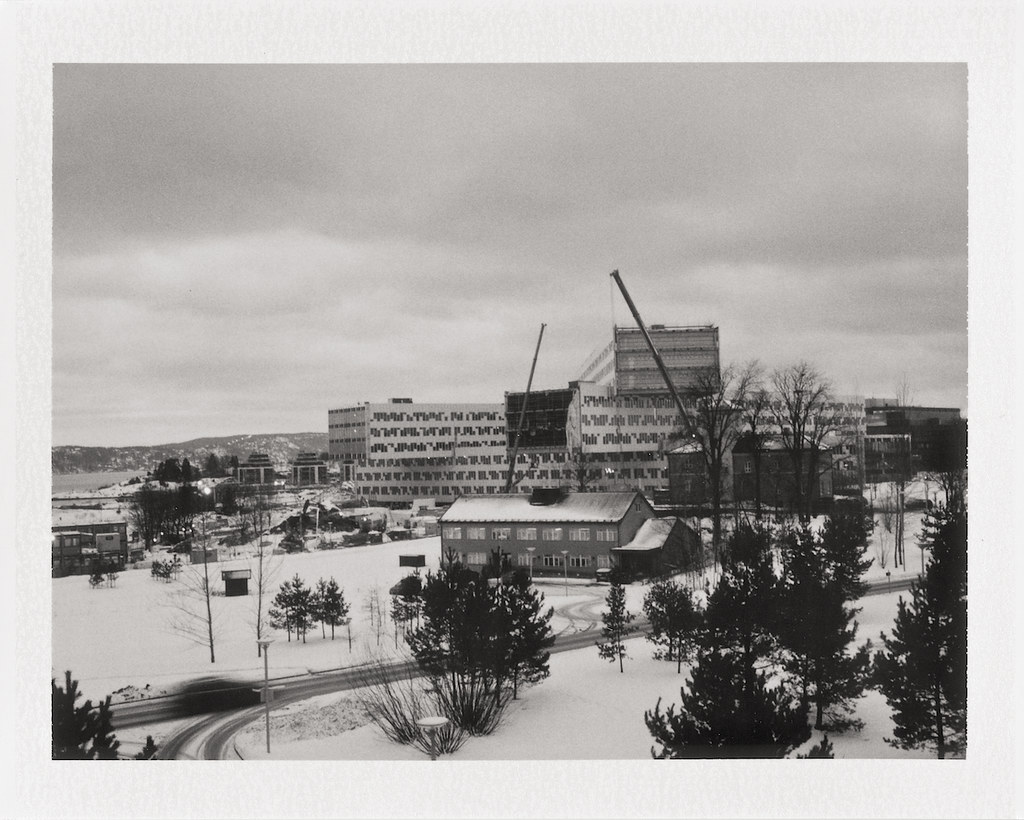
4 TLRs shot with Land Camera 250, FP3000B, Sunpak Flash
Outdoors in overcast low light, adjusted camera to +1 (lighten) exposure
Land Camera 250, FP3000B +1EV

This is fun, lots of fun. Its immediate, yet old school. I´ve ordered more film, including a few cases of FB100C 100ASA colour film.

Background for those unfamiliar with Polaroid pack film Land Cameras, and instant pack film:

The Land cameras are named after their inventor, the Polaroid mastermind Edwin Land. Read up about him, he was a brilliant mind, and one of Steve Jobs´greatest inspirations. He invented not only polarising glass, and founded the Polaroid company, at one time a massive company in any right. He also invented instant film photography. Pack film applies a method where a negative and positive are co-developed. After exposing a frame one pulls the pair out of the camera through a set of rollers which squeezes chemicals out of a sachet and in between the negative and print (positive) and development starts. Wait for a number of seconds and peel the print from the negative and you have a ready image. Its as easy as that. The negative can in some cases (some films) be kept and used for scanning. And others even for regular enlargement printing. The FP3000B B+W negative can be scanned as a negative reflective media, and then inverted in post processing. The TLR picture above is such a scan.

With regards to technical quality Polaroids do not exactly make claim to the top spot. But that is besides the point. Its immediacy is its party trick. I indeed intend to use it a parties and give away the prints, keeping the negatives for scanning.

Good Polaroid film resources: Filmphotographyproject.com , The land list , Jim´s Polaroid Camera Collection , Fuji Film (note that Instax films are not traditional Polaroid type, but another instant technology) and The Impossible Project films
Sunday, 6 November 2011

Some catching up to do

Summer has been about all things not Caffenol, or anything DIY at all. Not had the time nor energy to do much testing. Though a few films have been given the once over.

Those that met with success are:

In 135:
Efke KB100, EI200 in Caffenol-C-M (RS), 14 min @ 20C

Leica M4-2, Voigtländer Ultron 28 f1.9, Efke KB100, Caffenol-C-M (RS)

ERA100 @ EI100, Caffenol-C-M,13:30min @ 20C


Royal 35-M, ERA 100, Caffenol-C-M


Agfa APX 400, Caffenol-C-H, 13min @ 20C


Leica M4-2, VC Ultron 28mm/f1.9. APX 400, Caffenol-C-H

In 120:

Fuji Neopan 400 @ EI400, Caffenol-C-L semistand, 60min @ 20C. Forgot to add bromide, and yet the negatives came out without streaks and the base fog was well under control. Strange.

Kalloflex K2, Neopan 400, Caffenol-C-L

Ilford Delta 400 @ EI800, Caffenol-C-L, 5min presoak, 60min semistand @ 20C

Kalloflex K2, Delta 400, Caffenol-C-L

Lately had a couple of mishaps with Caffenol-C-L. I think I know why. Storing ready mixed solutions for a long time may work with the more concentrated versions, but not for C-L. There you need freshly made solutions, the tolerances are much lower, and any oxidisation or depletion of the substances will have a big effect on the result. C-M/H versions are much more robust to variations in pH.

Wednesday, 6 July 2011

Caffenol-C-L and TMX 135

Have not done much 135 film since I started using film again. Used to large negatives and the lovely results this gives you, I thought I'd try to give the smaller format a fighting chance to prove itself against its bigger brother. For that I brought out low pH Caffenol, the C-L version championed by Reinhold over on the Caffenol.blogspot.com

As before, C-C-L mixed by the book:
16g/l Sodium carbonate
10g/l Ascorbic acid
40g/l Instant coffee
1.25g/l Potassium Bromide

5 minute tempered presoak. Semi stand @20C for 70 minutes. 12 inversions initially, 2 inversions at the 1, 2, 4, 8, 16, and 32 minute markers. Let stand for the duration.

Pictures taken from a test roll through the Royal 35-M, EI100 - no filter.

Drammen Docks, Norway, Royal 35-M, TMX, EI100, C-C-L

Drammen Docks, Norway, Royal 35-M, TMX, EI100, C-C-L


Near Drammen Docks, Norway, Royal 35-M, TMX, EI100, C-C-L
And the results? Quite pleased really. The grain certainly is quite fine, the tones are nice and subtle. Any deficiency in the quality of the pictures is most likely due to my rather puny scanner as much as anything else.

Wednesday, 27 April 2011

Two new experiences in one: Shanghai GP3 and Caffenol-C-M (RS)

Inspired by my fellow Caffenol advocates on flickr, imagesfrugales (Reinhold) and mikeinlagardette (Mike), I had to try out som cheap (and cheerful?) Chinese film. Also wanted to try out a new version of Reinhold's C-C-M with Reduced Sodium content (RS). I exposed the film to EI 100, but had a yellow filter mounted, so in reality the EI is closer to 160-200. I mixed the modified C-C-M solution with 3/4 of the amount of sodium carbonate and developed without adjusting either my agitations scheme or my timings. I agitate for 1 minute initially (approx 12-15 inversions), then 3 inversions every minute. In this case I developed for 13min, but since the mixture had been used once already, this equates to about 12min for fresh Caffenol. I did however add a 4 minute 20C tap-water presoak to the process.

The revised recipe is:
Sodium carbonate: 40g/l (down from 54g/l)
Ascorbice acid: 16g/l
Instant coffee (gut rot type): 40g/l

And the results are more than pleasing. Both the technical qualities of the film (medium fine grain, classic grain structure is nice, tonal range and graduation is good, but not brilliant, and high contrasting areas are handled very well) and the developer work very well indeed. The Caffenol-C-M (RS) solution seems to be no less active than the regular sort. I need to scan a roll of TMX also developed in the (RS) version, and compare this to earlier C-M developed rolls to be sure, but I hope to see smoother midtones and maybe finer grain.

The results:
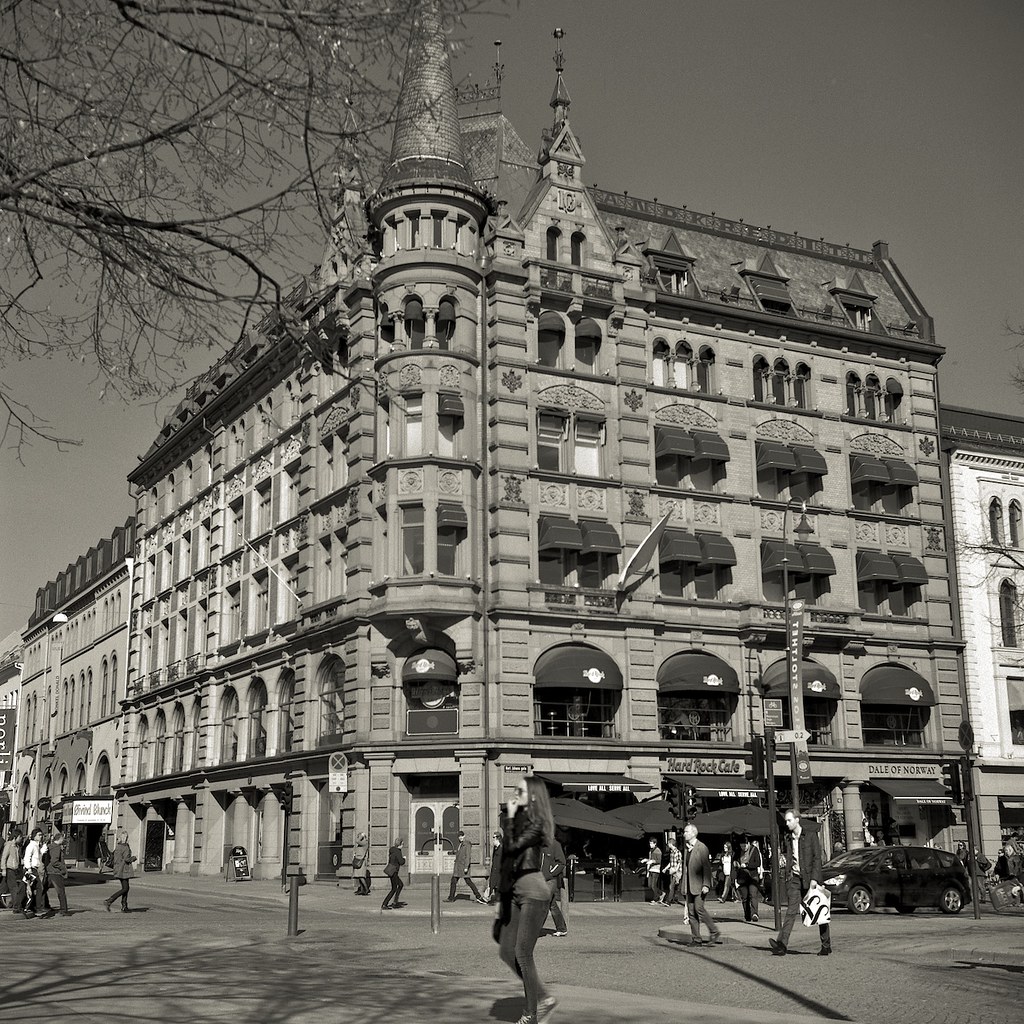
Flexaret Va, Shanghai GP3, EI 160, Caffenol-C-M(RS), Studenten, now housing the Hard Rock Cafe, Oslo, Norway

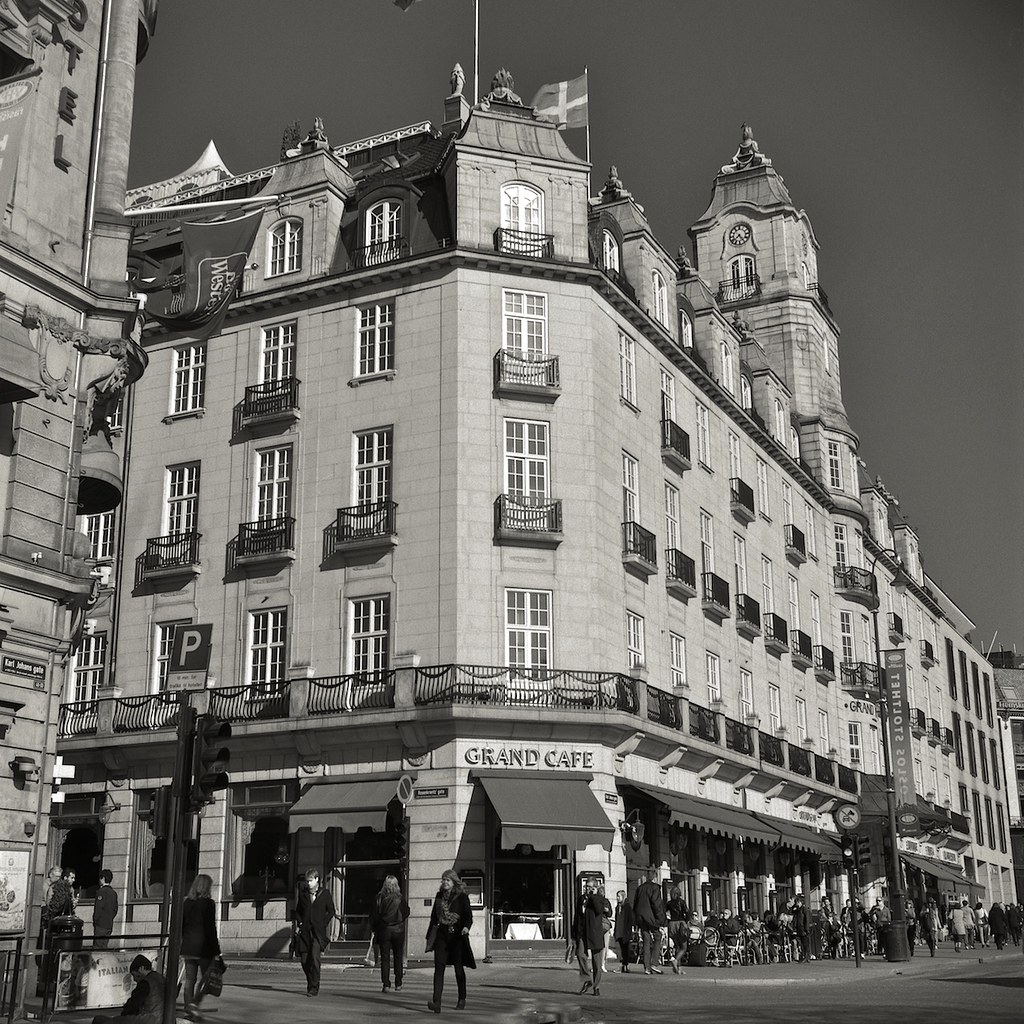
Flexaret Va, Shanghai GP3, EI 160, Caffenol-C-M(RS), Grand Hotel, Oslo, Norway

Tuesday, 12 April 2011

Really, really mature Caffenol

I´ve not had the opportunity to develop any films these last two months. As a result I have a litre or more of each of the main components maturing in my cellar. They are now more than 4 months old. How will they perform? I finished off a roll of Acros exposed at EI 100, to find out. The first two frames were from my recent visit to Canada, the others not so important - shot in and around my home town. I could live through a dud development if that were to be the case.

When mixing the solutions together, the sodium carbonate and the ascorbic acid first, produced a dark brown colour, very unlike when fresh (light yellowish green), and the coffee being a milky brown (most likely starting to develop mold). Didn´t look at all promising. The only positive change was that when all mixed together the distinctive Caffenol smell was all but absent. Oh well, no guts, no glory. I developed the film as normal, no adjustments. Out of the fix it looked not too bad. Out of the wash even better, and when dried more or less as normal.

When scanned I found that one of the rollers or the possibly film gate, on my camera is scratched, ruining several of the negatives. But on a positive note the negatives didn´t look too bad. If I were to be very picky I´d say they are a tad (1/3-1/2 stop) underdeveloped, and they exhibit more grain than usual, though still quite useable.

Here are three scans that could be salvaged from the scratched roll:

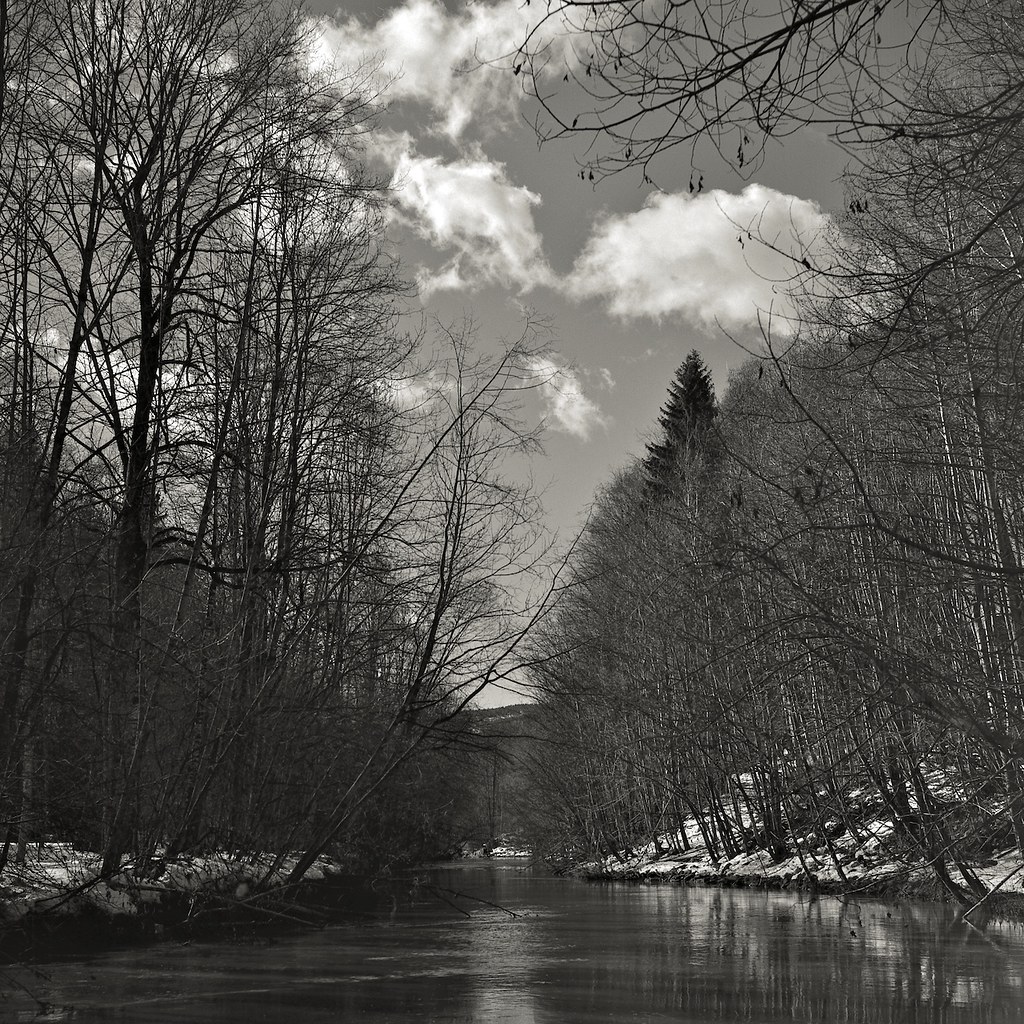
Flexaret Va, Acros, EI100, Matured Caffenol-C-M, 12min@20C, Sande river, Norway
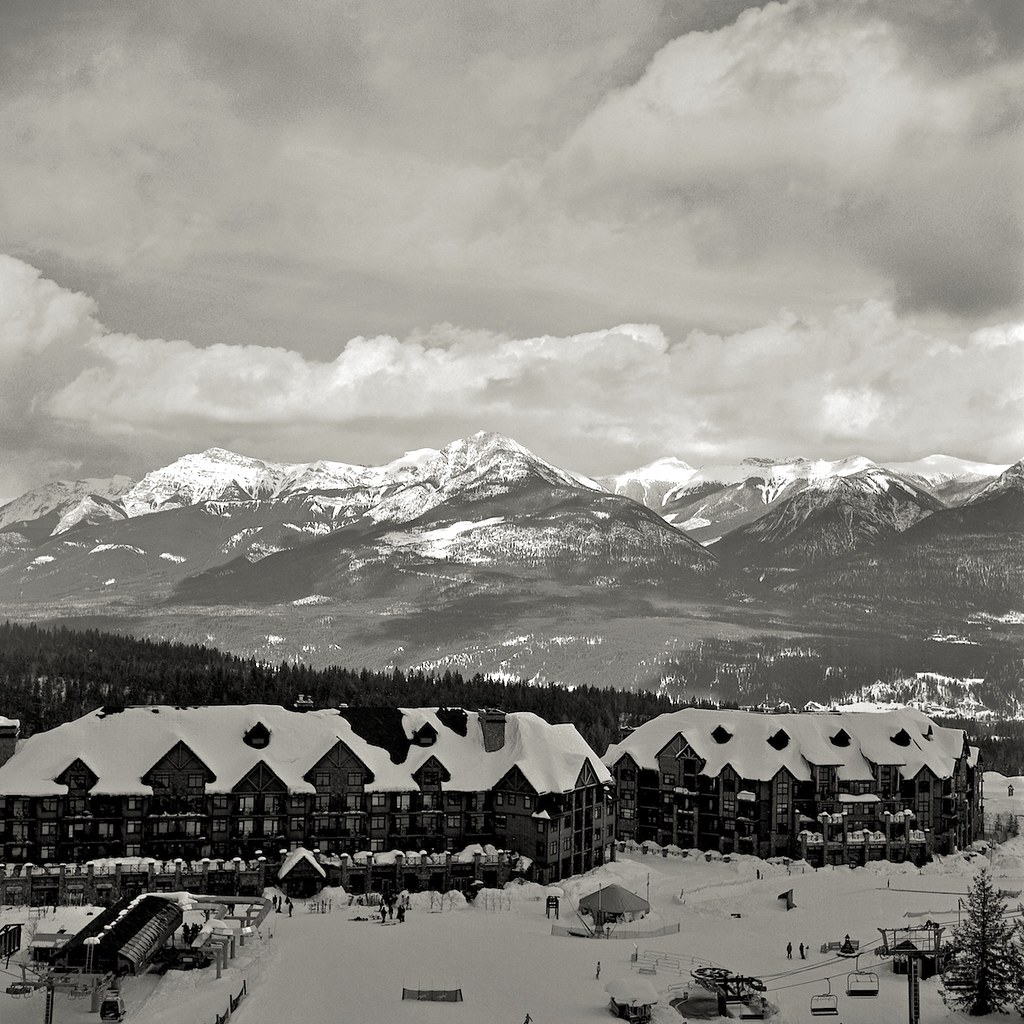
Flexaret Va, Acros, EI100, Matured Caffenol-C-M, 12min@20C, Kicking Horse, BC
Flexaret Va, Acros, EI100, Matured Caffenol-C-M, 12min@20C, Sande, Norway

Wednesday, 16 March 2011

More on re-using Caffenol

Its been a while since the last post. I´ve been busy on other fronts, building a 6x17 camera out of a Cognac case for one thing. More on that later.

When it comes to Caffenol and using a batch for more than one 120 film. I´ve tried that out with success already. I´ve now done it again, this time three films in succession, all from the same 530ml mix, and this time not adding any instant coffee, just adjusting to the development times somewhat. I´ve not yet scanned the first film (not that relevant to the subject of re-using Caffenol really), but I have scanned both films two and three. How did they come out? Perfectly OK in fact. I wouldn´t say that I could see any detrimental effects of using the batch for three 120 films at all. In the case of 135 films, a single batch of 530ml could be used for up to 6 rolls if need be. The reason for doing this is not that one would save money, or the environment for that matter, but time. Time is a much more important commodity.

Adding 5-10% development time for Caffenol-C-M has been suggested as a place to start. I opted to add a minute for each successive film, even if the films were different and required different development times to begin with. For Acros (normally 12 minutes) 1 minute added would equate to nearly 10%, whereas a minute for TMX (normally 14-18 minutes) would equate to 6-7%. To be honest I think that both films are rather tolerant of variations in the mix and timings, that it doesn´t matter much. Don´t quote me on that though, YMMV.

From film no. 2 (TMX, EI 100, @ 16+1 minutes):
Flexaret Va, TMX, EI 100, in re-used Caffenol-C-M, @ 16+1min

From film no. 3 (Acros 100, EI 100, @ 12+2 minutes):

Ikonta w/Novar f4.5, Acros EI 100 in re-re-used Caffenol-C-M @ 12+2min

Friday, 28 January 2011

Acros 100 Re-used Caffenol-C-M and night photography

Acros 100 saves time when doing night photography. Why? Because it has practically no reciprocity at all. For shots up to several minutes in length you can shoot as metered. See examples below.

Secondly, I´ve tried re-using Caffenol-C-M. I processed one 120 Acros 100 roll, and once out of the tank I developed yet another roll in the same soup. Caffenol is reputed to be one shot, however the active agents would seem not to be spent after just one film after all. Its not as if I couldn´t be bothered to mix another batch, I just wanted to try it out. Reinhold at the Caffenol.blogspot has met with success re-using Caffenol, and he´s the master of all things Caffenol, so why not? I added a teaspoon (5ml) of instant coffee to the mix, just in case and added a minute to the development, and adjusted nothing else. And hey presto, the negatives came out just as good as the first roll through the same mix. Same contrast levels, any differences could be attributed to variations in exposure as much as anything else.

I might continue doing this in future. Saves both time and effort.


The first three night shots. The last midday fog.

Flexaret Va, Acros 100, EI 200, 2 min metered and exposed, 13 min in Caffenol-C-M reused

Flexaret Va, Acros 100, 20 min exposure, pure guess metering, 13 min in Caffenol-C-M reused

Flexaret Va, Acros 100, EI 200, 2 min metered and exposed, 13 min in Caffenol-C-M reused

Flexaret Va, Acros 100, EI 200, 13 min in Caffenol-C-M reused


Sunday, 23 January 2011

Acros 100 unintentionally overexposed by not one, not two, but most likely 5 or more stops!

My Kowa leaf shuttered 85mm lens developed a shutter issue at the exact same time I started testing Acros 100. At first I thought my very dense negatives were due to my getting the development all wrong, and subsequently went out and shot another roll. The second roll showing the exact same symptoms, even after changing EI from 100 to 200 and shaving 4 minutes of the development time. This is when I started suspecting other things, like my new light meter, and went out and shot another roll with the old meter. Still dense negatives bordering on opaque. I should of course have just studied the film borders and the film base to see if the development was off, or if it indeed was an exposure issue. But I panicked!

I finally cottoned on to the party to blame, the lens´leaf shutter was sticking, on all speeds. It didn´t really matter which speed was set, the time it took for the shutter to close was at least a couple of seconds, and sometimes it didn´t close at all. I managed to get my flatbed scanner to interpret a few frames out of three rolls of negatives, barely. I suspect that a better scanner would have been able to salvage something from most of them, and that wet printing could get nice results. But alas, I´ve not a $1000 scanner, nor is my darkroom ready yet.

To wrap up the winging, I´d like to say that I´m impressed with what Acros can tolerate of overexposure. Because these negatives got their fair dose of it. Reinhold rates Acros to an EI of 200 in Caffenol-C-M. These negative probably got exposed in single digit EI´s. The results being big chunky grain in the lighter (most overexposed areas) and still quite nice and fine grain in the darker areas. There´s even some quite nice midtones evident on most of the negatives in question. I now know that not only does Acros push well, it pulls well too. Not that I´d want to pull 5 or more stops out of a fine grained film, at least I know there´s a lot of exposure latitude on hand with this film.

A couple of examples:

The two tallest buildings in Oslo. EI 1 to 5, Acros 100, Caffenol-C-M 12min @ 20C

Self portrait. In shadow, so EI probably 5-10 somewhere,Acros 100, Caffenol-C-M 12min @ 20C
In fact I rather like the first picture, the gritty look is becoming and suits the subject material. I´ll be printing this one once I´ve got a darkroom going.

Saturday, 22 January 2011

Acros 100, the long route

I´ve been trying to test Acros 100 for ages now. But for some reason a compound of non-related issues has prevented me from doing so. First my Mac decided to have a disk crash, so scanning any negatives was a no go. Then the camera that I´ve come to rely on felt it needed a hiatus, the shutter giving in. First intermittently, then more or less all the time; ruining three rolls of Acros in the process.

Finally though I´ve been able to both expose, develop and scan enough Acros negatives for form an opinion. It rocks! Its even more fine grained than TMX, though I think I still might prefer TMX midtones. Its pushes very well, but funnily enough it pulls even better. I know, since the shutter stuck I have a host of negatives overexposed by at least 5 stops, probably more. Boy are they dense, but some are scannable on my lowly Epson V500, resulting in very heavy grained images - but not without some merit. More on that later.

Acros 100, rated at EI 200 for the most part. Developed in Caffenol-C-M (C-H without the bromide remember) for 12 minutes @ 20C.


Acros 100, EI200, C-C-M 12min @ 20C, taken with Flexaret Vb

Acros 100, EI200, C-C-M 12min @ 20C, taken with Flexaret Vb

Acros 100, EI200, C-C-M 12min @ 20C, taken with Kowa Super 66

I´ve also tested EI 50-80 and up to 15 minutes @ 20C, and they work just as well. Acros is almost as robust as TMX when it comes to exposure and development latitude.


Wednesday, 15 December 2010

New old brew

I´ve now used up all of 6 litres of developer, 12 films in all. I had to pour out some moldy coffee, but apart from that I used every drop I pre-mixed in the beginning of October. I´ve brewed up new solutions for this the latest TMAX100 film (examples below). I´ve dispensed with Potassium Bromide altogether. Whether or not that was a good idea I´m not sure. For the first time I´ve got what could be streaks, 2-3mm along one of the edges of most of the frames. I´m not sure why. Anyhow, when mixing the new Ascorbic acid and Sodium Carbonate solutions together, before adding coffee, I could see a marked difference in colour. The stored solutions grew ever more yellow when mixed, the freshly mixed solution however turned a very pale greenish yellow. Whether or not this change in reaction has anything to do with the developing capabilities I couldn´t say. I seem to be getting good results no matter how long the mixtures have been stored.

Fresh Caffenol-C-M (no PB remember):
TMAX100, Caffenol-C-M
TMAX100, Caffenol-C-M (if you pick one to enlarge, this is it)

TMAX100, Caffenol-C-M

TMAX100, Caffenol-C-M

Caffenol-C-H, almost C-M

On Reinhold´s recommendation I´ve been slowly, but surely, making my way from C-H to C-M Caffenol for TMAX100. The difference being potassium bromide, or the lack of it with respect to Caffenol-C-M. This is the last film of TMAX100 with any PB at all, 0.2g/l to be precise. Its also the last film from the old batch of chemicals, but with fresh coffee.

TMAX100, modified C-C-H

TMAX100, modified C-C-H

TMAX100, modified C-C-H

Tuesday, 7 December 2010

More of storage of Caffenol pre-diluted components

As you know, I dilute each of the three main ingredients at 3x strength and store in stand bottles. It works too, at least for something in the region of 6 weeks. I´ve a hypothesis that the sodium carbonate and the ascorbic acid will keep very well. I can´t see why the first should go off, and the second is often used as a preservative. But the coffee, it will go off sooner or later. I therefore performed a test to see how well the coffee mixture will perform at the end of its useable lifespan. At six or seven weeks it starts to develop mould. I would suspect that in the warm summer this can be shortened by a couple of weeks or more. I developed two films the same evening. Both films developed in developer mixed from the same well matured sodium carbonate and ascorbic acid mixes, but one with the old coffee mixture, and one from a fresh batch of coffee. I used 18 minutes for the old coffee mix, and 16 for the new, both @ 20C/68F. I´ll jump the gun and reveal that I couldn´t quite see much of a difference. Judging from the film edges and the Kodak markings both films were developed to within a hair´s breadth of each other. Meaning that the old coffee most likely had deteriorated somewhat, it had been developed an additional two minutes, but not so much as to have an impact on the end result. Both films were equally easy to scan, I would hesitate a guess that they would perform well when subjected to darkroom enlarging.

A few examples from each film.

TMAX100: Old coffee, as are the other chemicals

TMAX100: New coffee, otherwise "old" chemicals

TMAX100: Old coffee, as are the other chemicals


TMAX100: New coffee, otherwise "old" chemicals


TMAX100: New coffee, otherwise "old" chemicals

I´ll be using the rest of the now 9 week old sodium carbonate and ascorbic acid solutions until empty. I find no reason not to. The coffee mix will most likely keep for a good 6 weeks.

Oh, and I´ve just ordered some Fuji Acros 100, it´ll be fun to see if it performs as well as Reinhold at the Caffenol.blogspot says, and if it compares to my TMAX100 experiences.

Note: All pictures taken with my Kowa Super 66