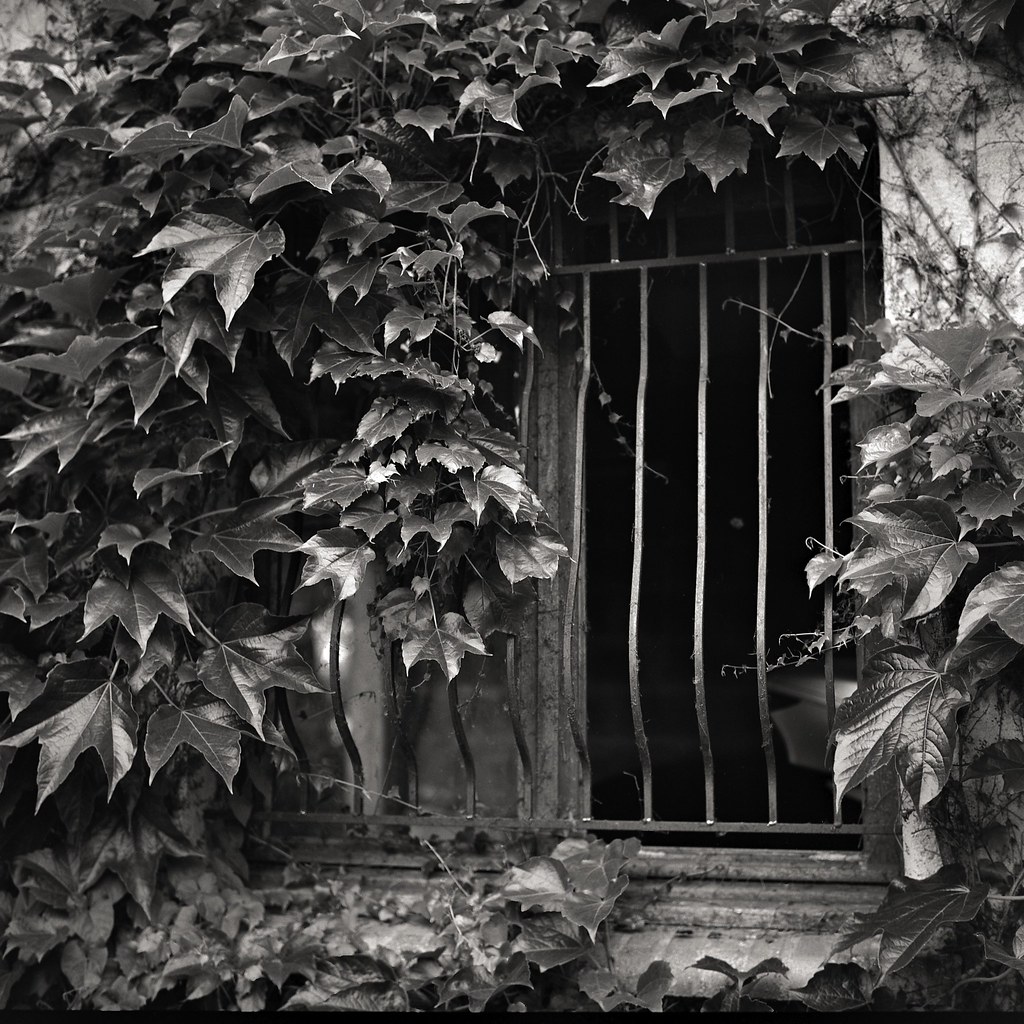
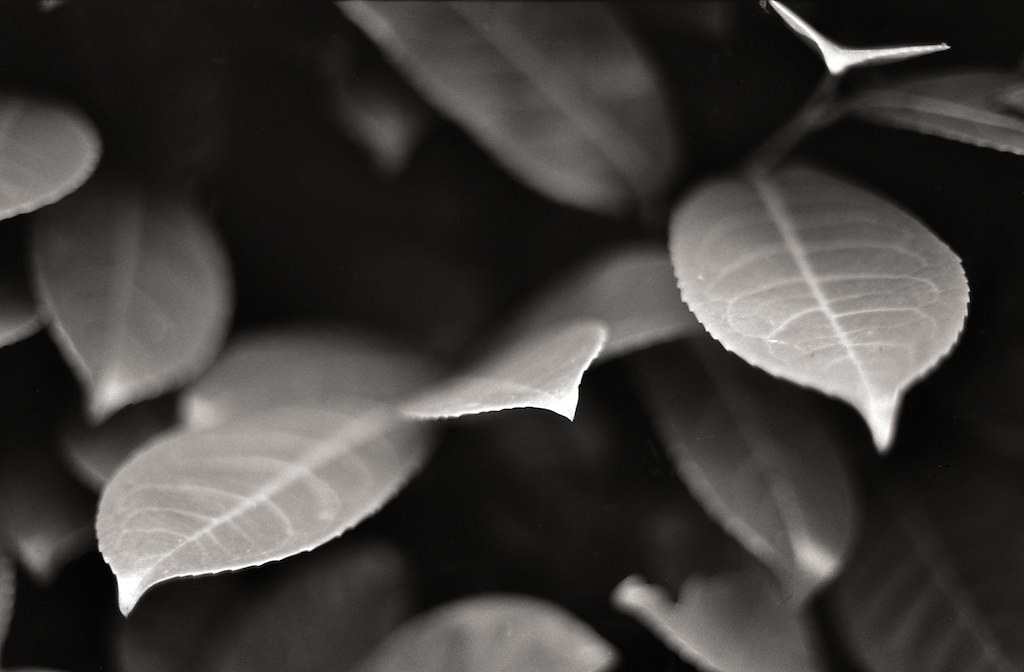
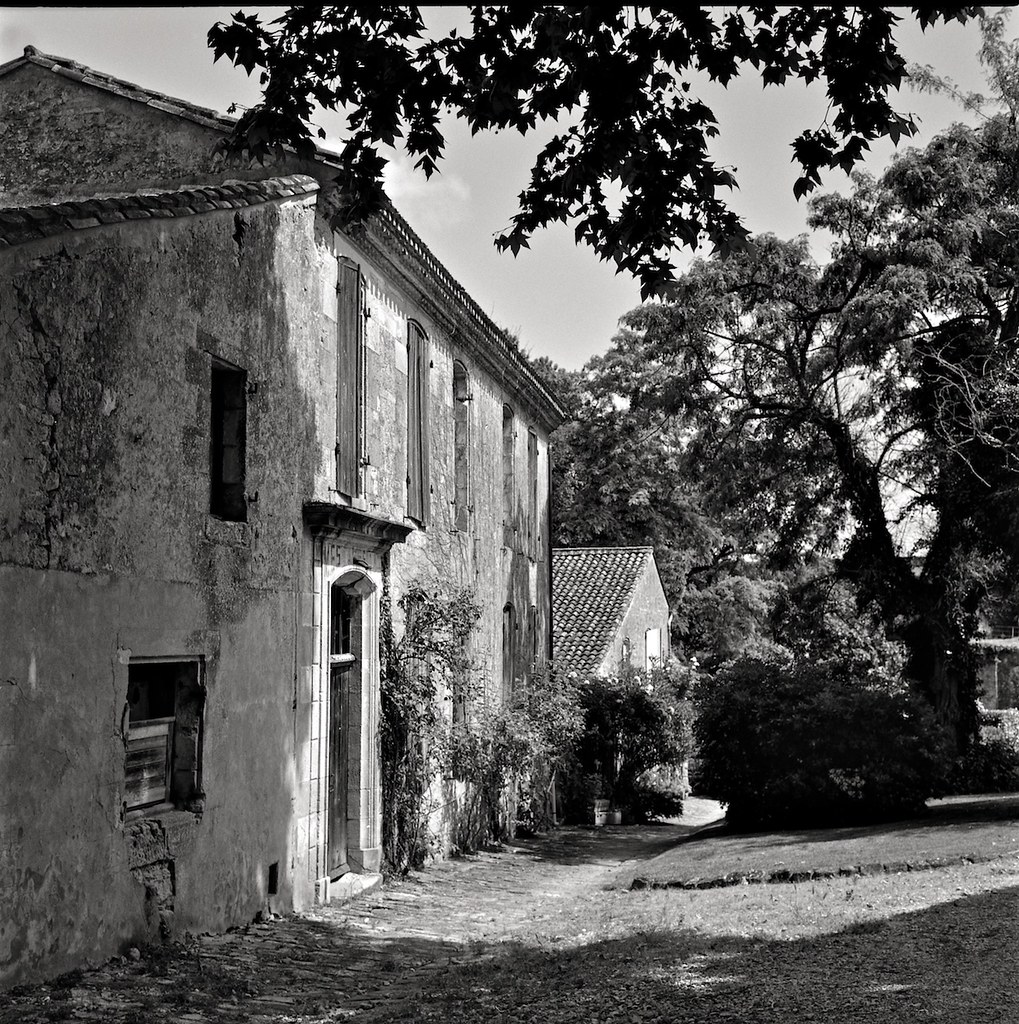
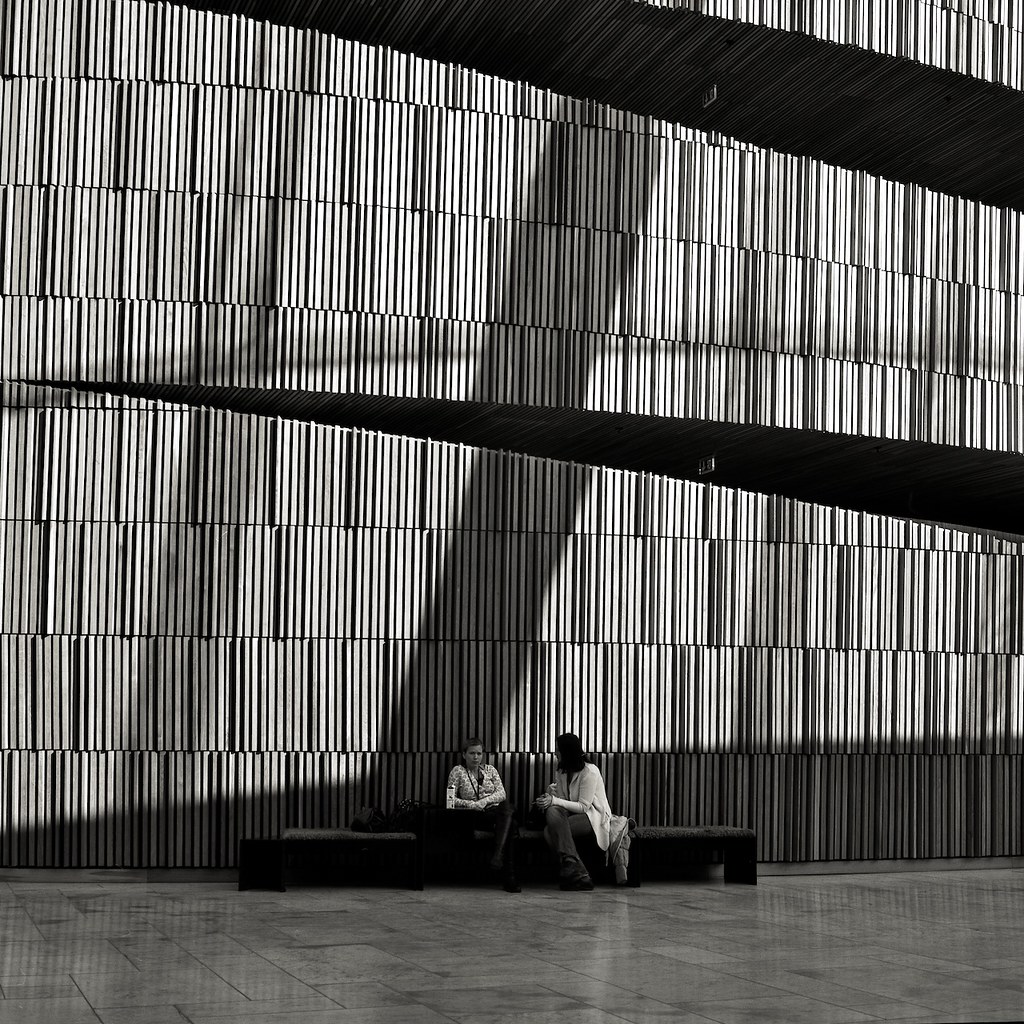
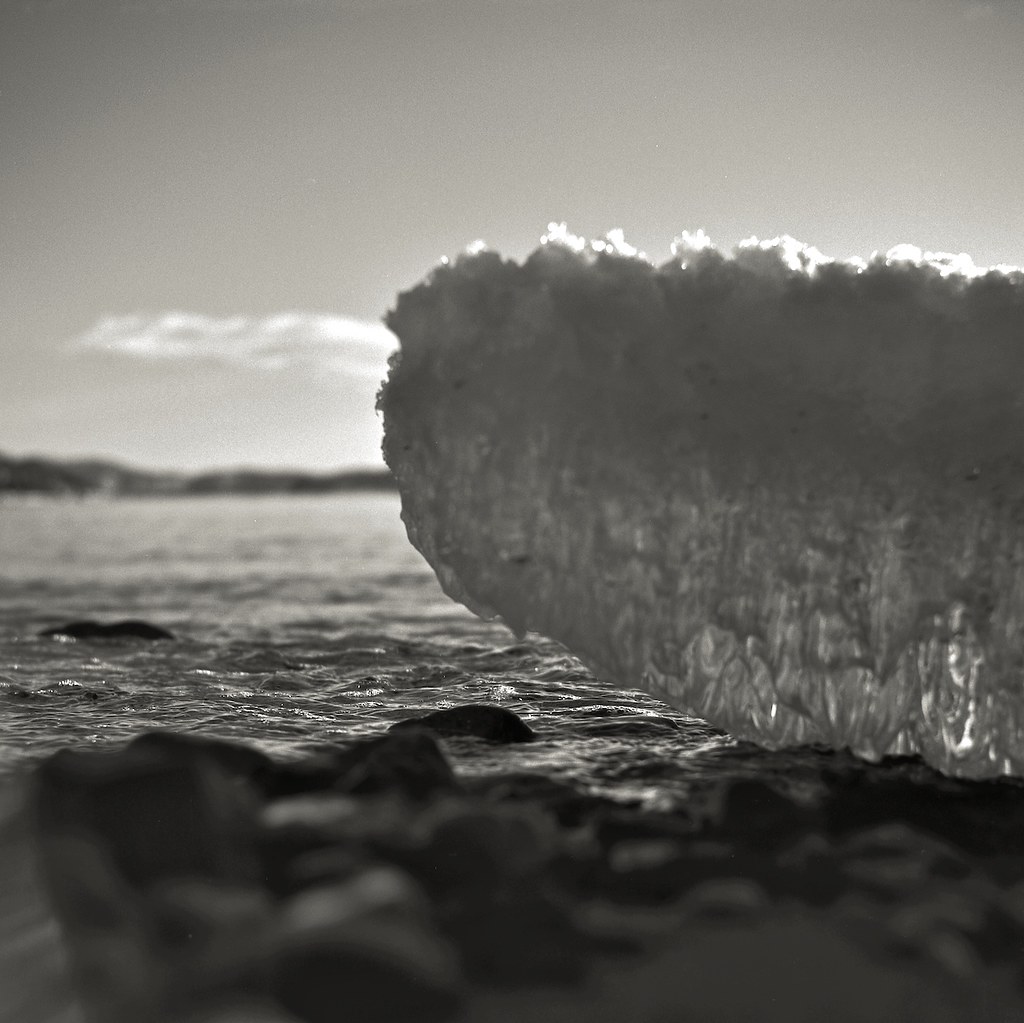
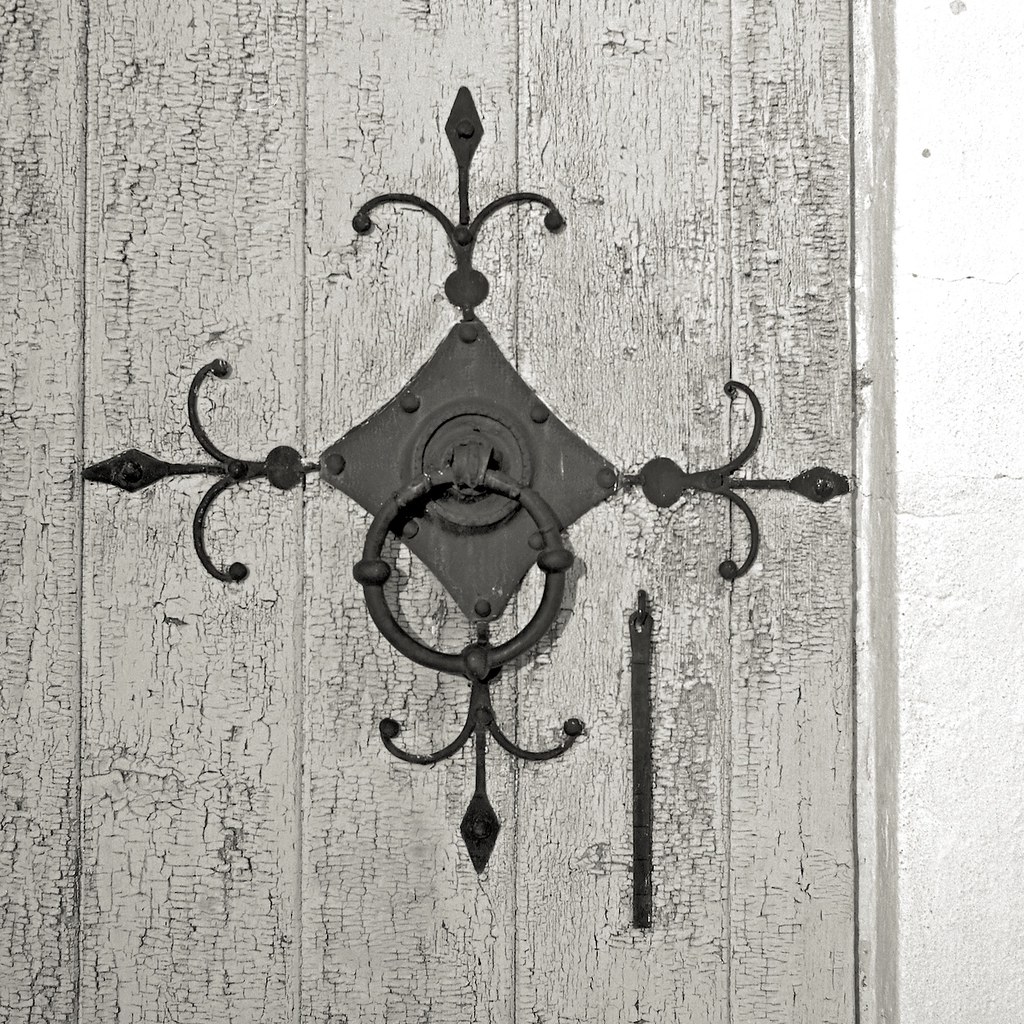
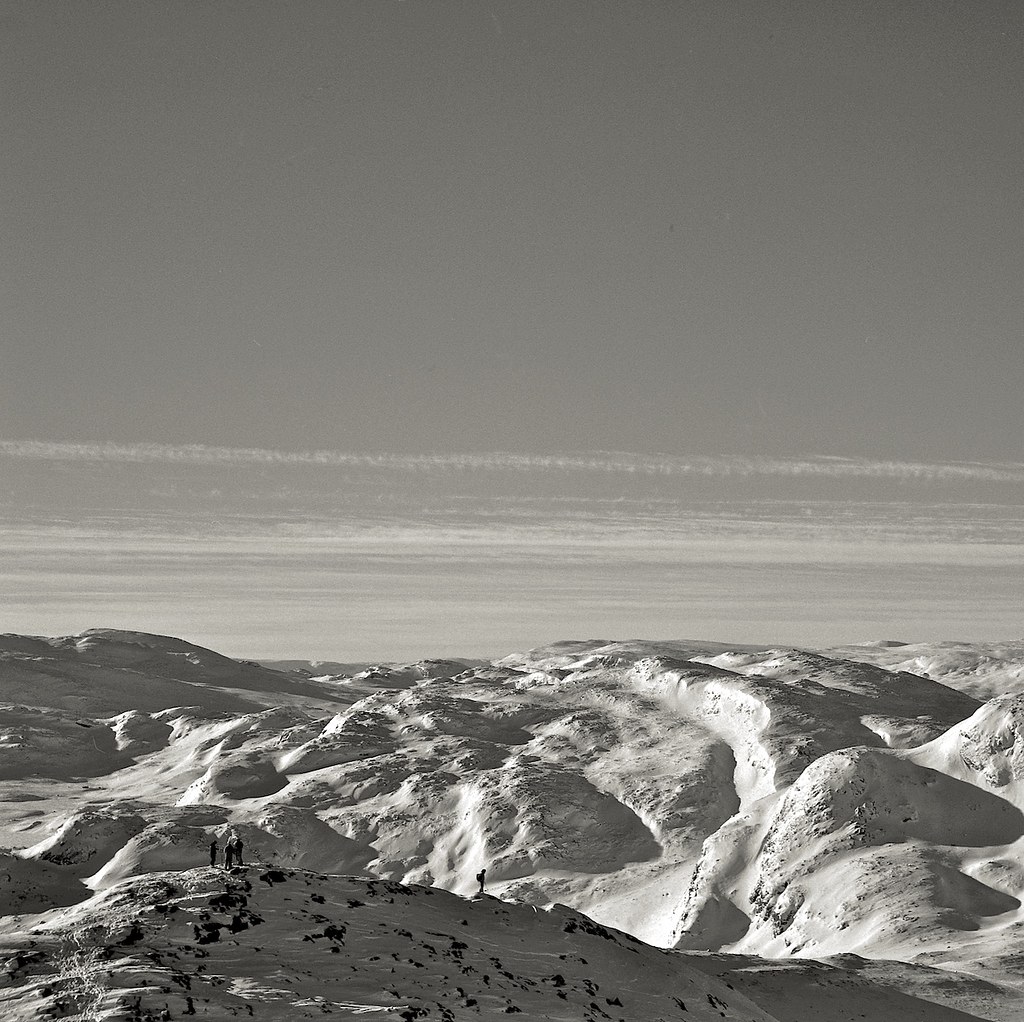
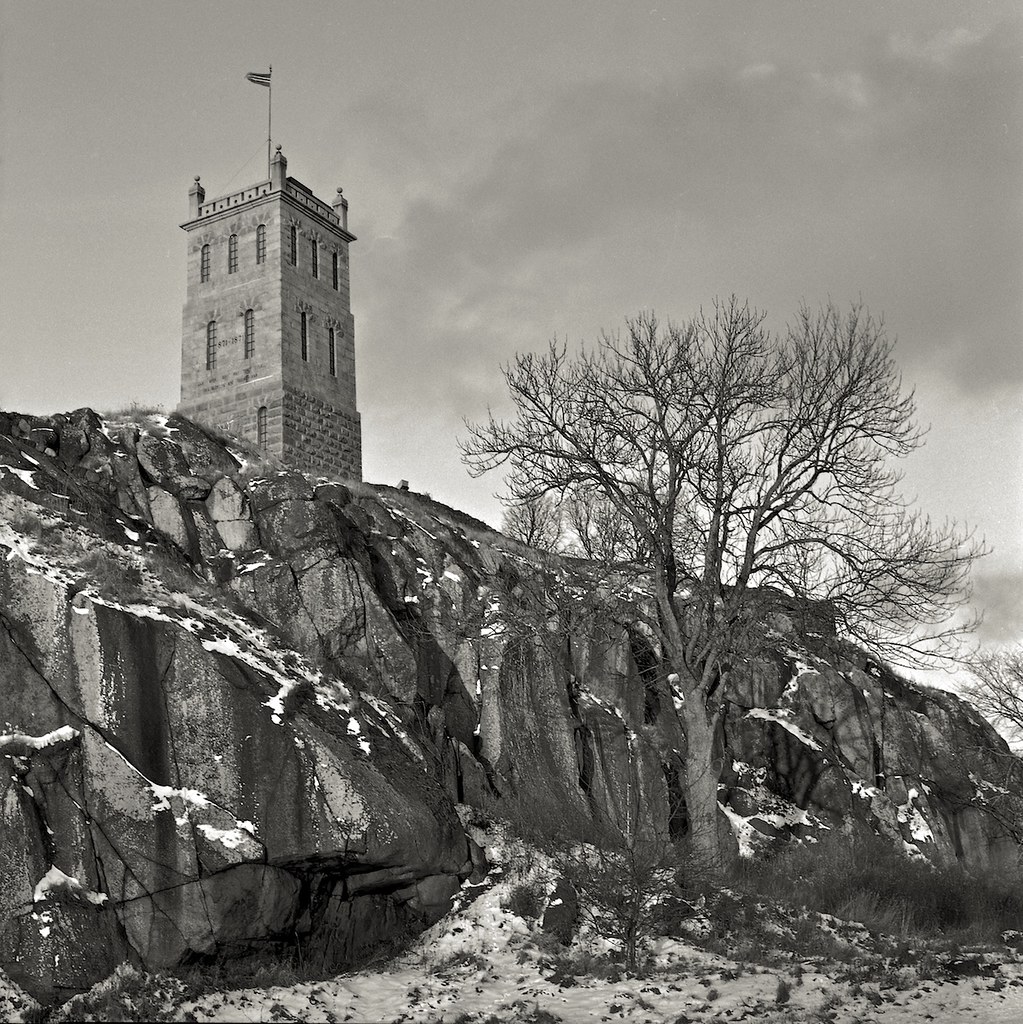
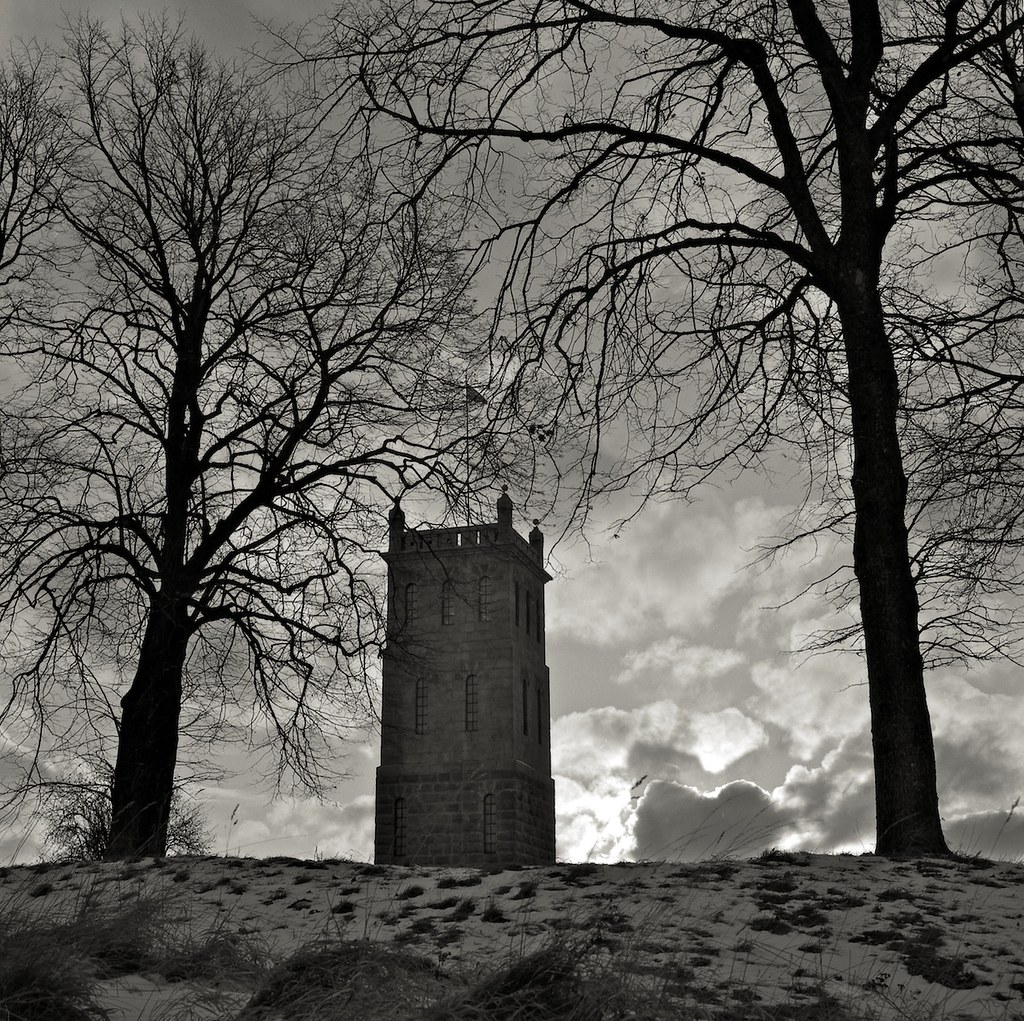
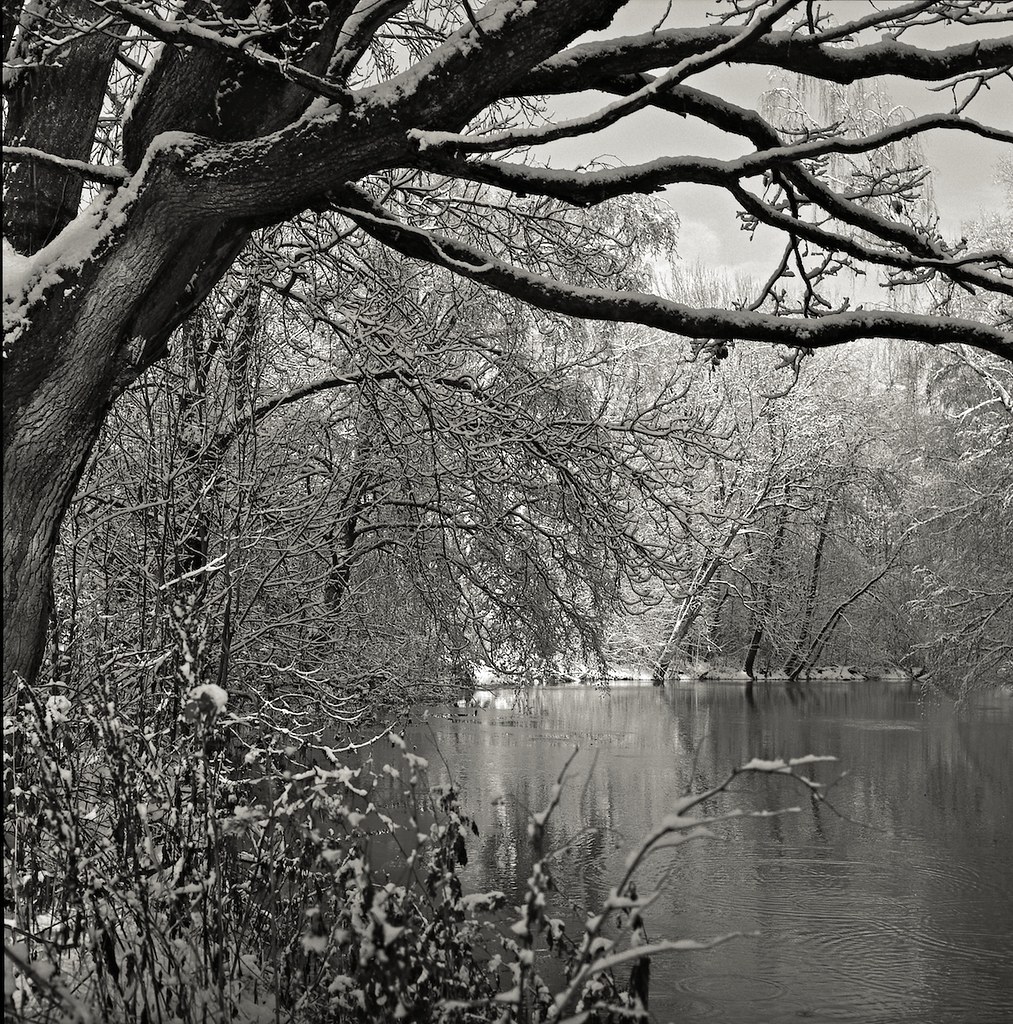
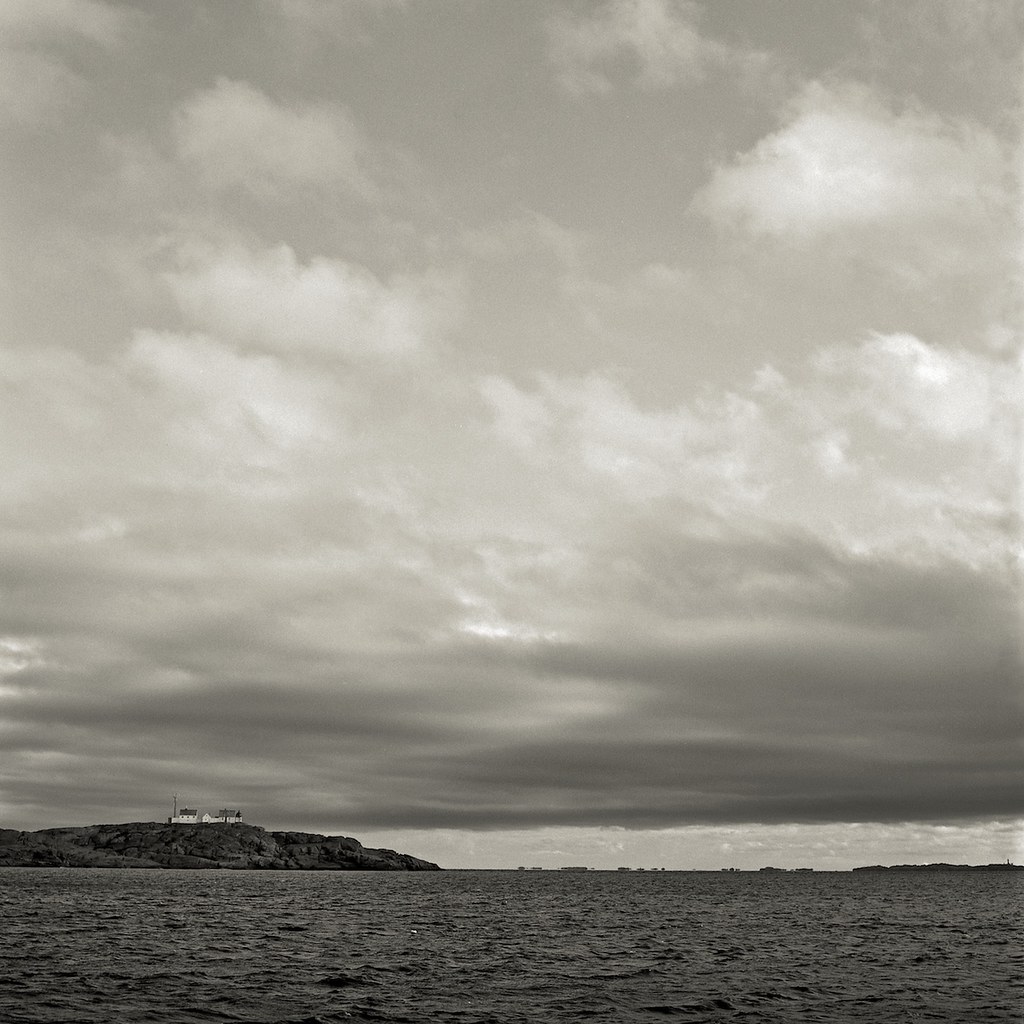
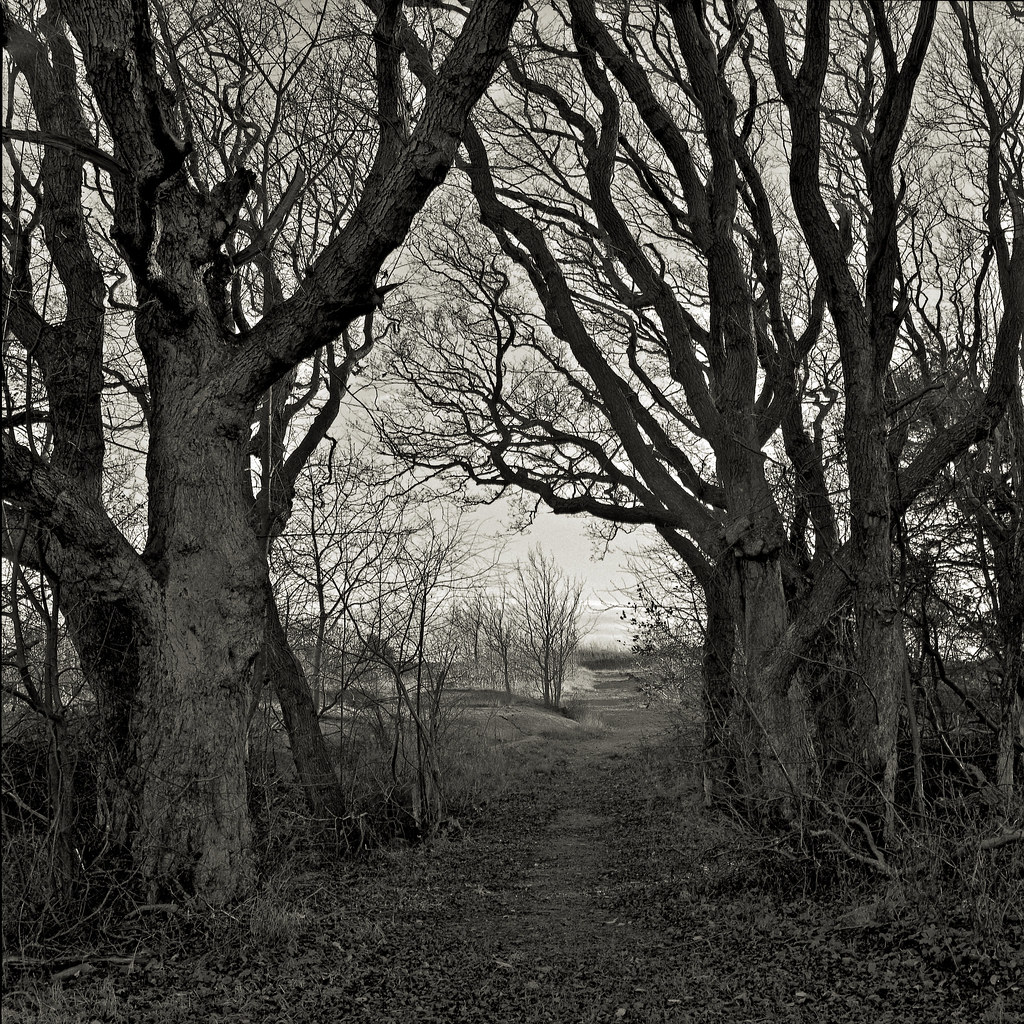
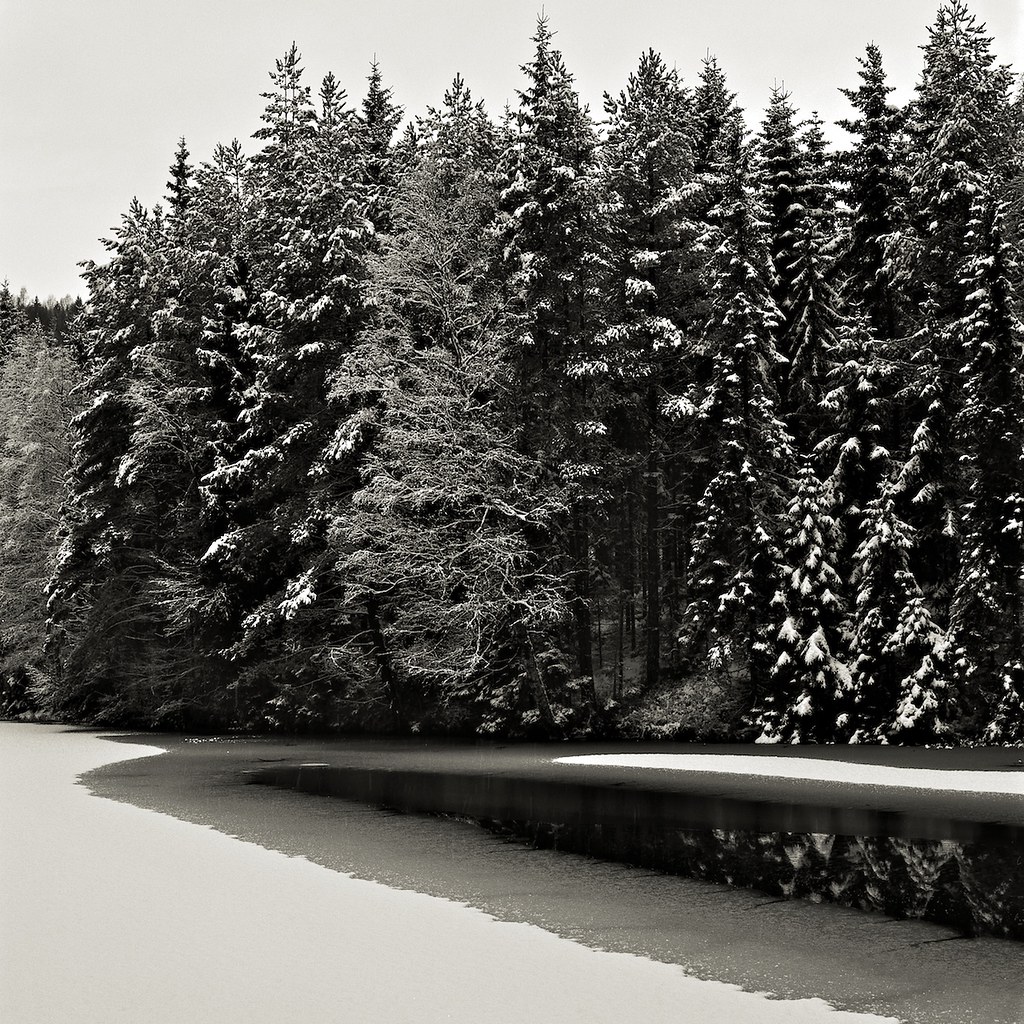
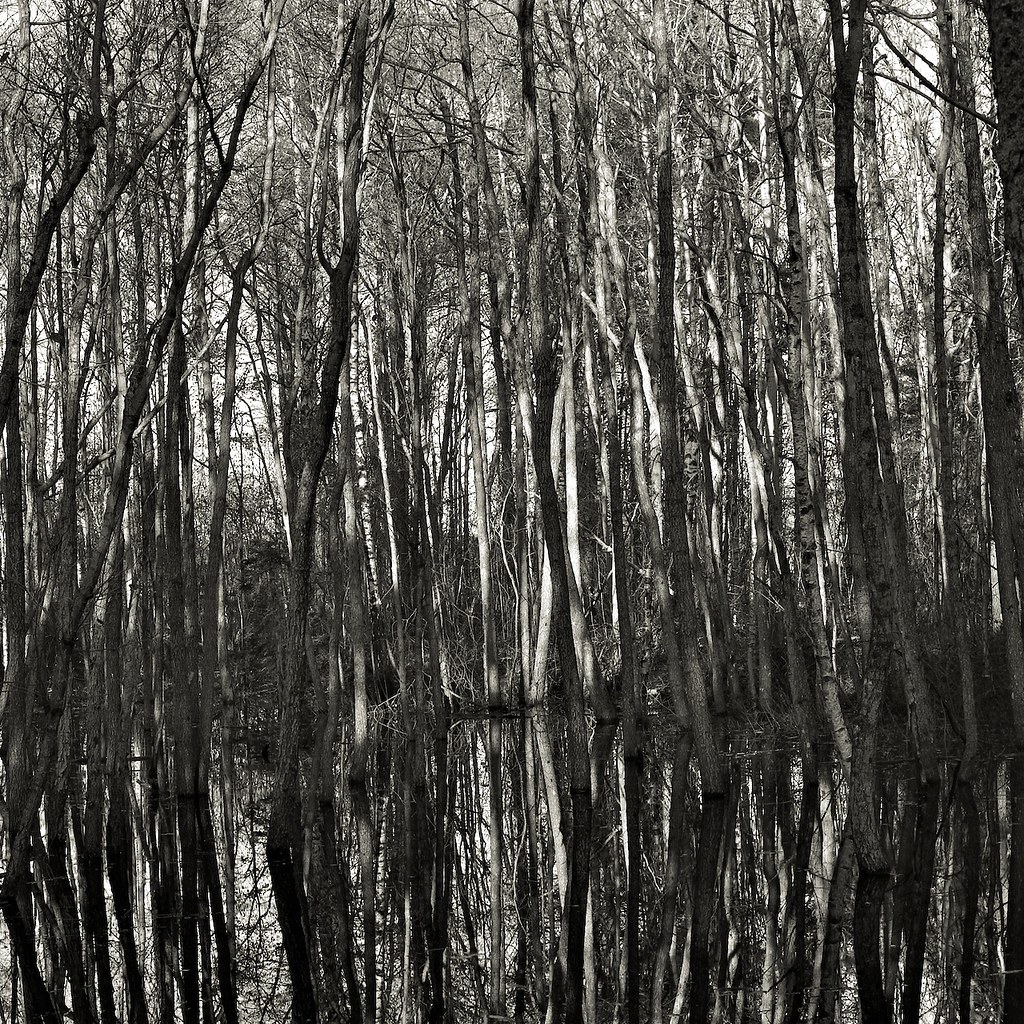
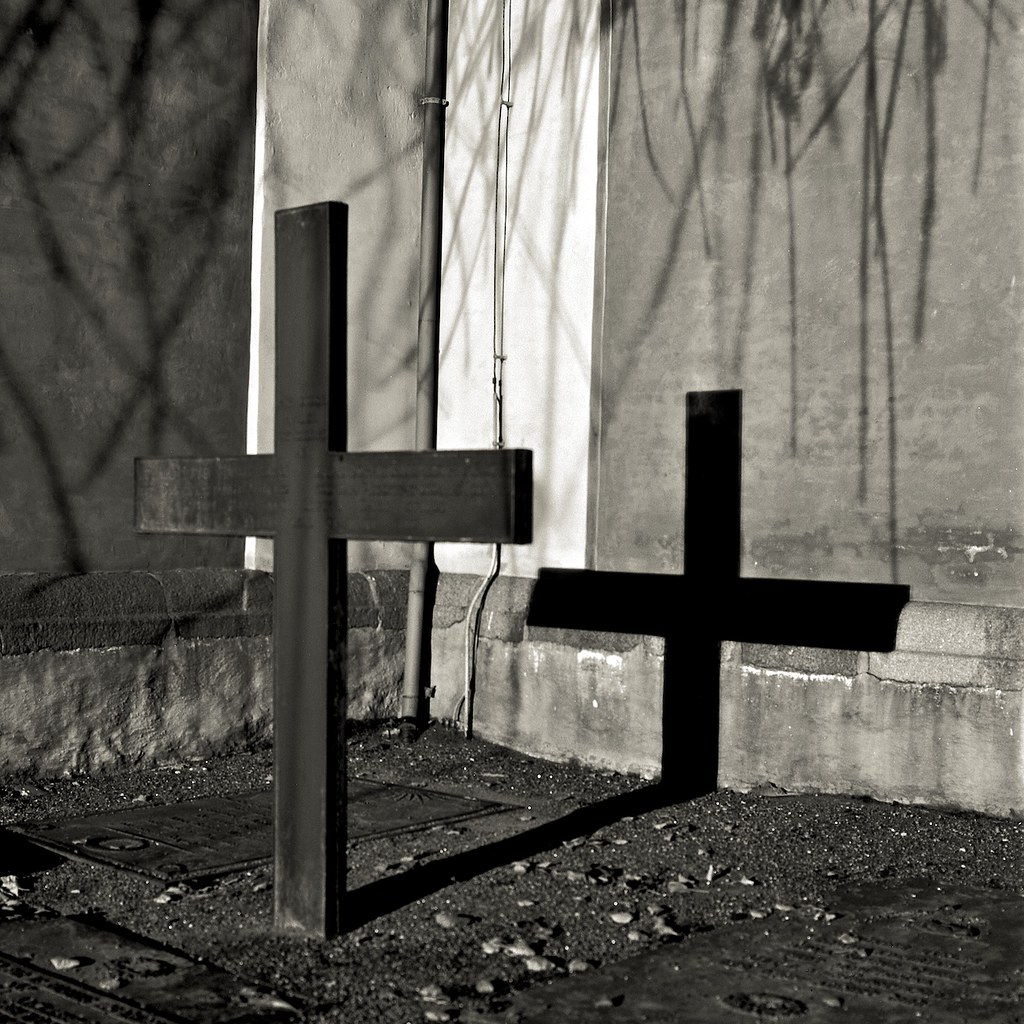
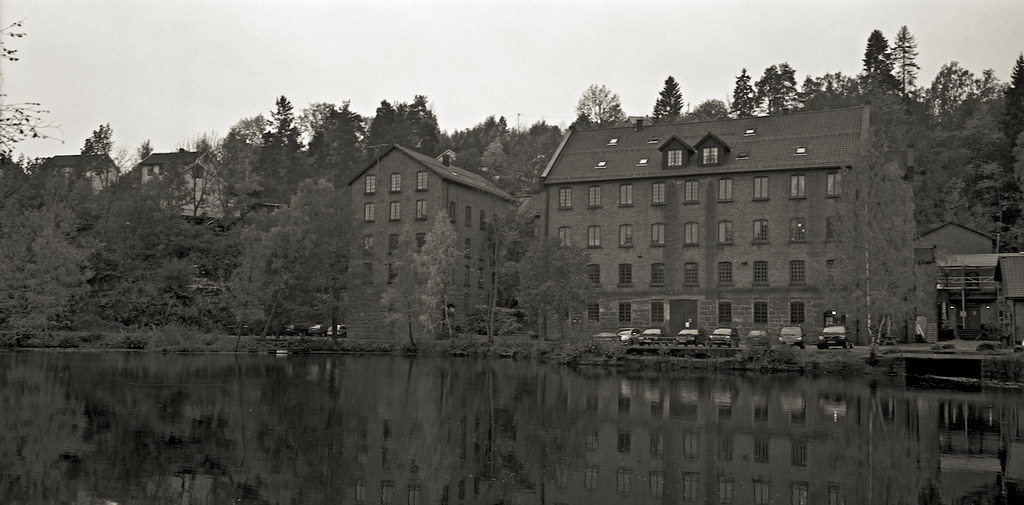
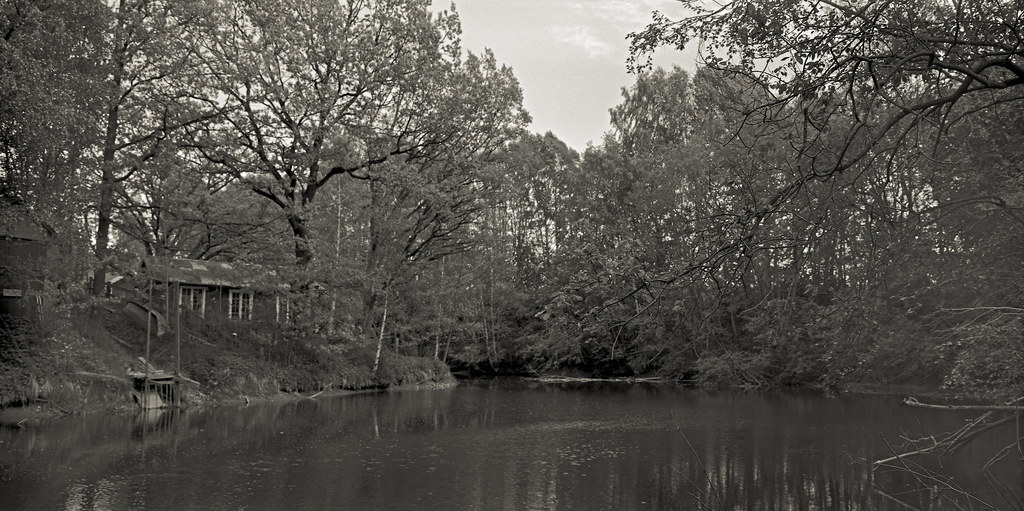
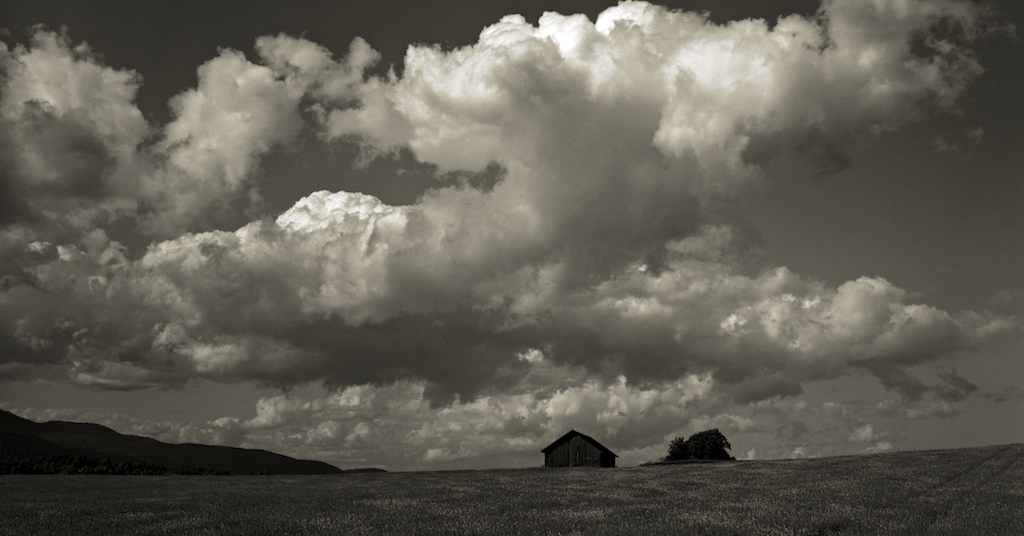
Visit my new blog

I´ve decided to split my blog in two. I will continue to post DIY projects and musings here, but (serious) pictures, taken on film of course, will be posted in my new blog "Silver Halides"

I now consider Caffenol to be a developer like any else. As such the new blog will focus more on the pictures, rather than the process.
Showing posts with label TMAX100. Show all posts

Wednesday, 6 July 2011

Caffenol-C-L and TMX 135

Have not done much 135 film since I started using film again. Used to large negatives and the lovely results this gives you, I thought I'd try to give the smaller format a fighting chance to prove itself against its bigger brother. For that I brought out low pH Caffenol, the C-L version championed by Reinhold over on the Caffenol.blogspot.com

As before, C-C-L mixed by the book:
16g/l Sodium carbonate
10g/l Ascorbic acid
40g/l Instant coffee
1.25g/l Potassium Bromide

5 minute tempered presoak. Semi stand @20C for 70 minutes. 12 inversions initially, 2 inversions at the 1, 2, 4, 8, 16, and 32 minute markers. Let stand for the duration.

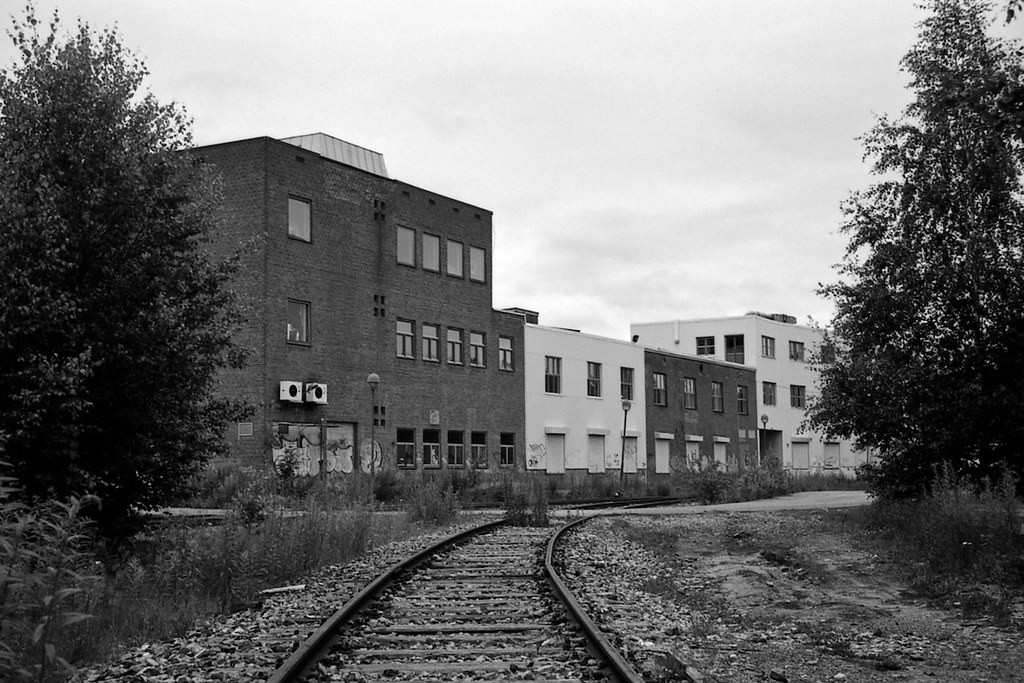
Pictures taken from a test roll through the Royal 35-M, EI100 - no filter.

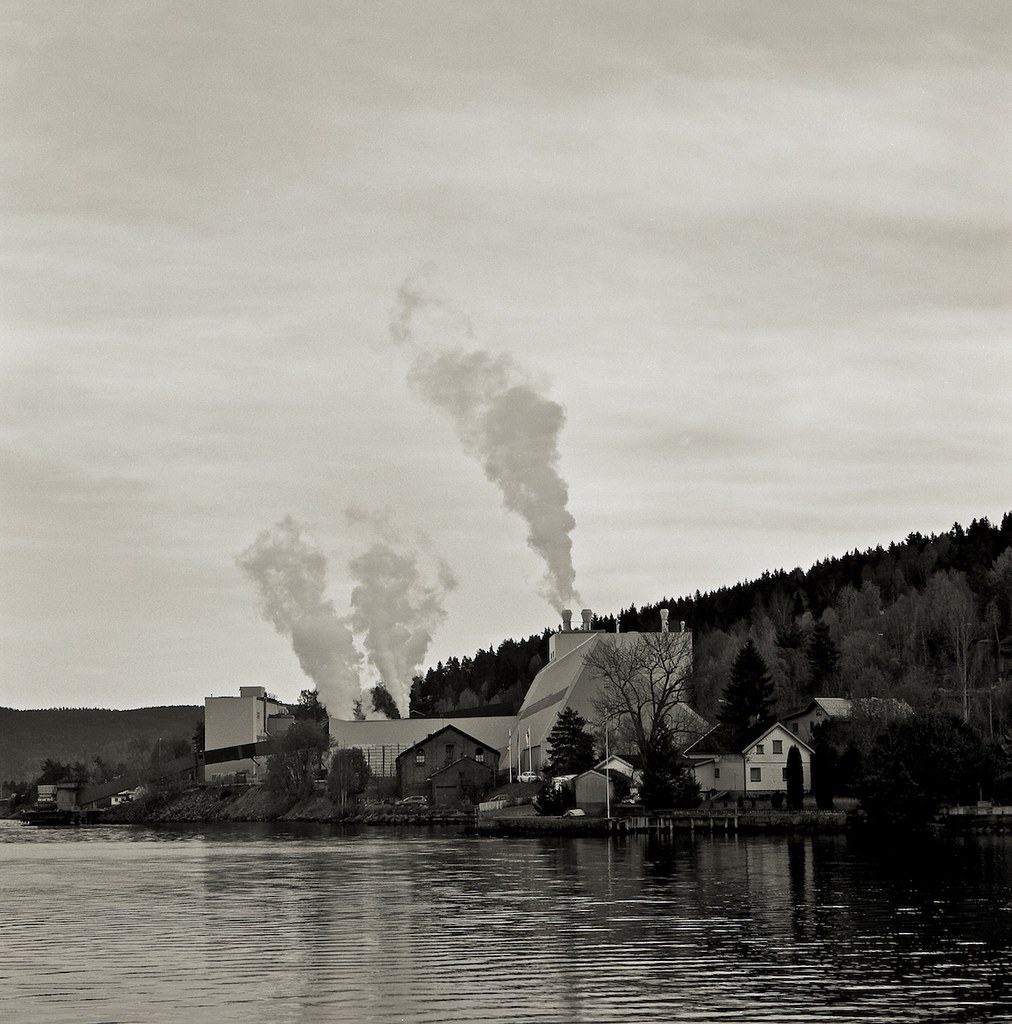
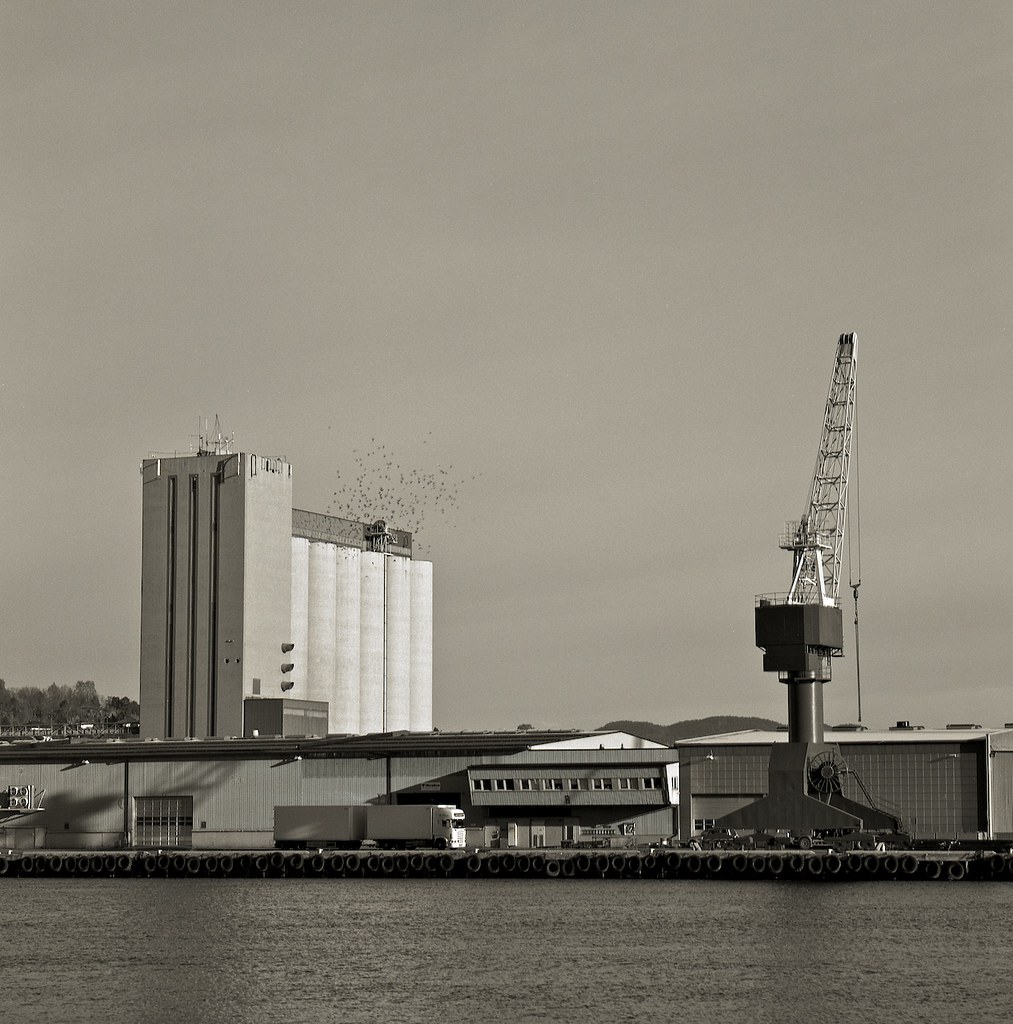
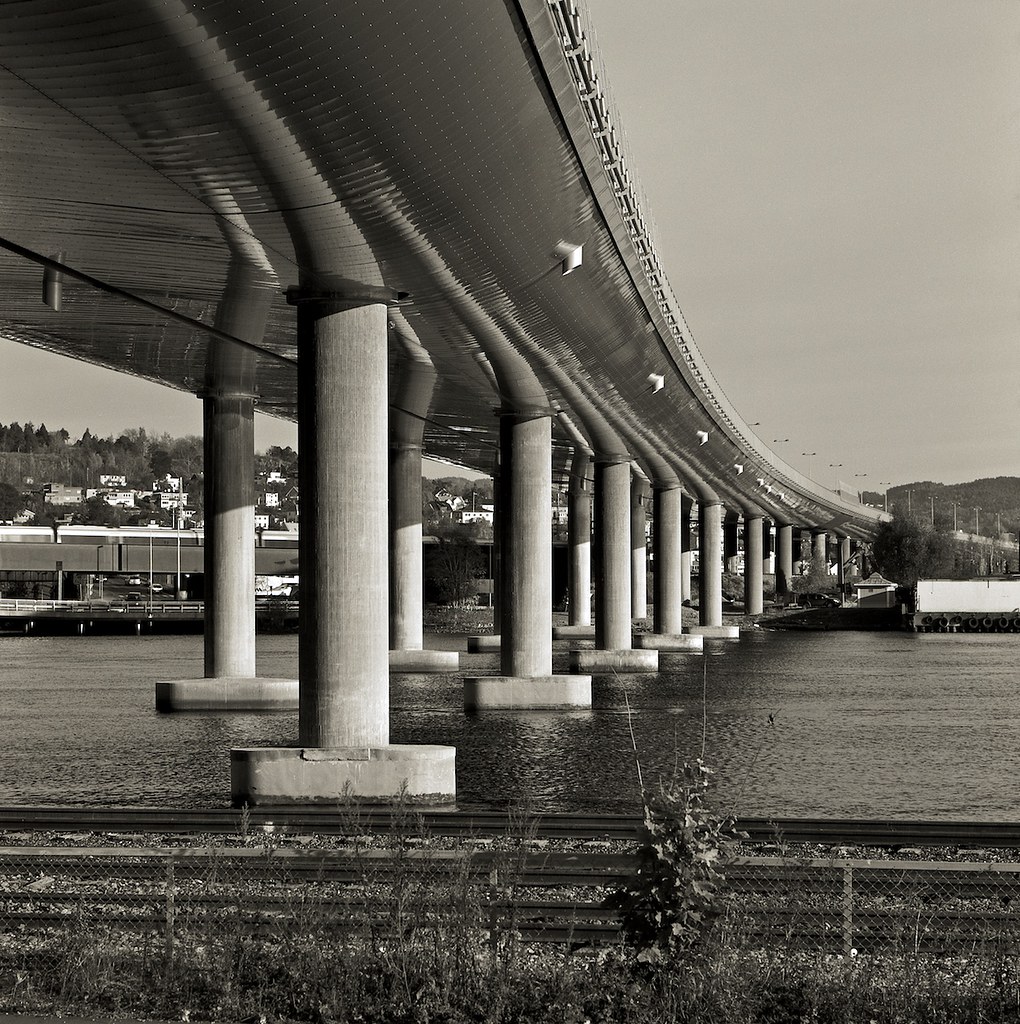
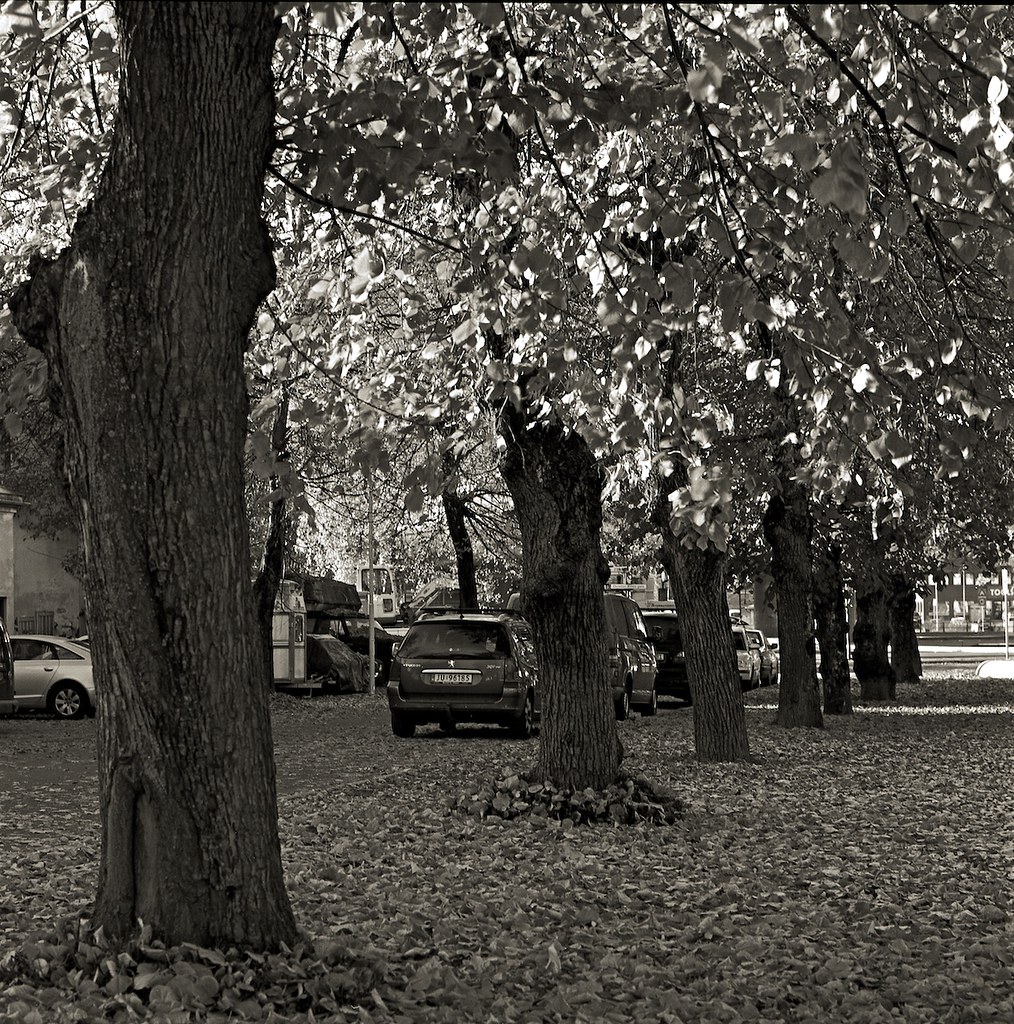
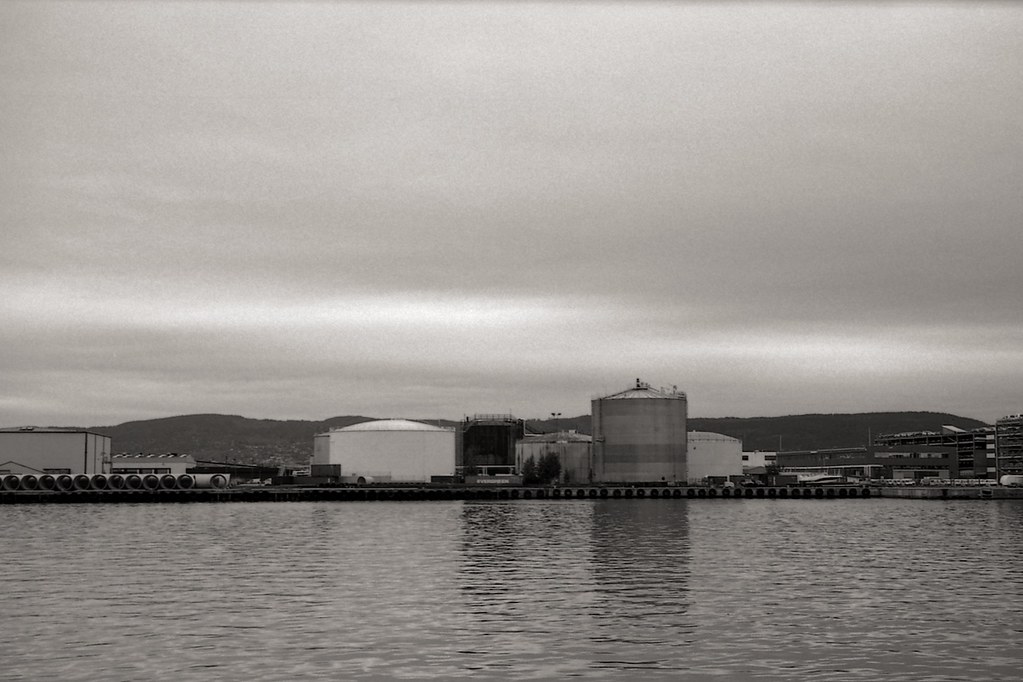
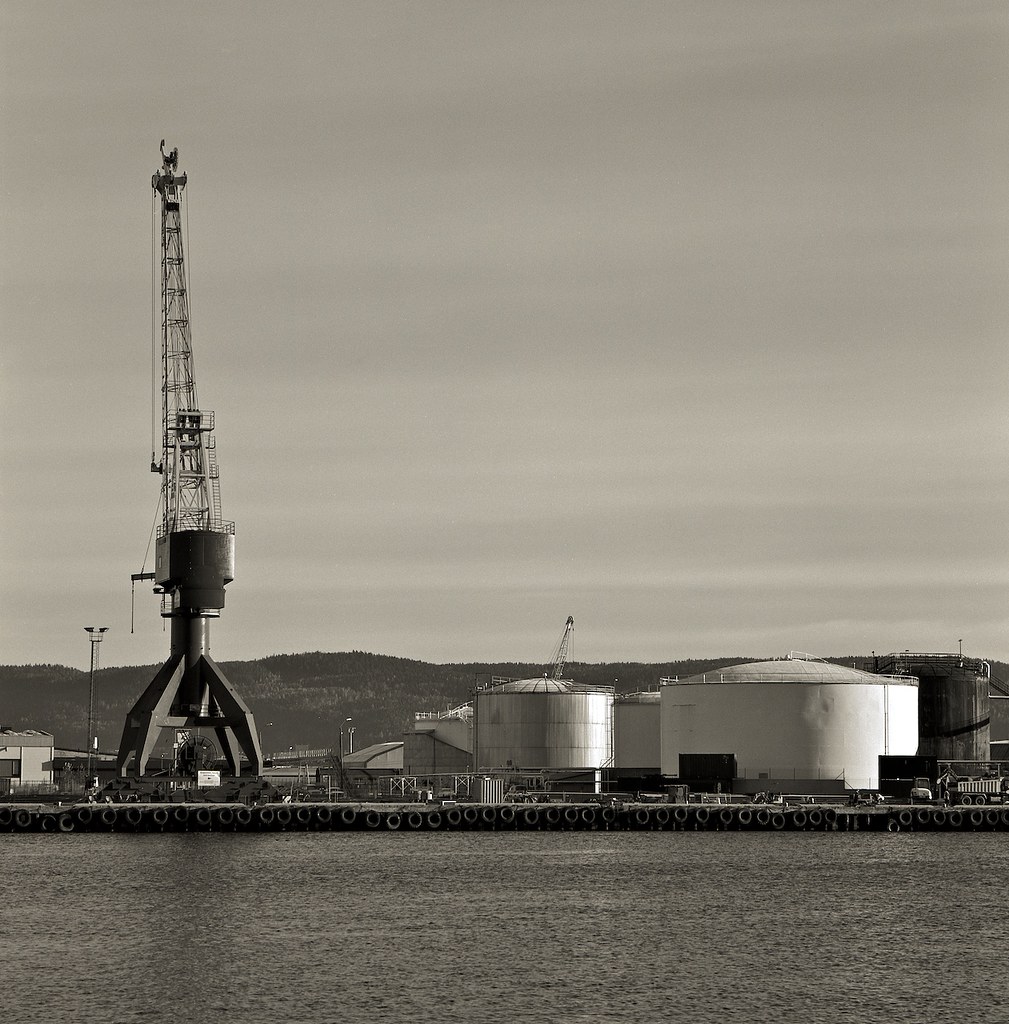
Drammen Docks, Norway, Royal 35-M, TMX, EI100, C-C-L

Drammen Docks, Norway, Royal 35-M, TMX, EI100, C-C-L


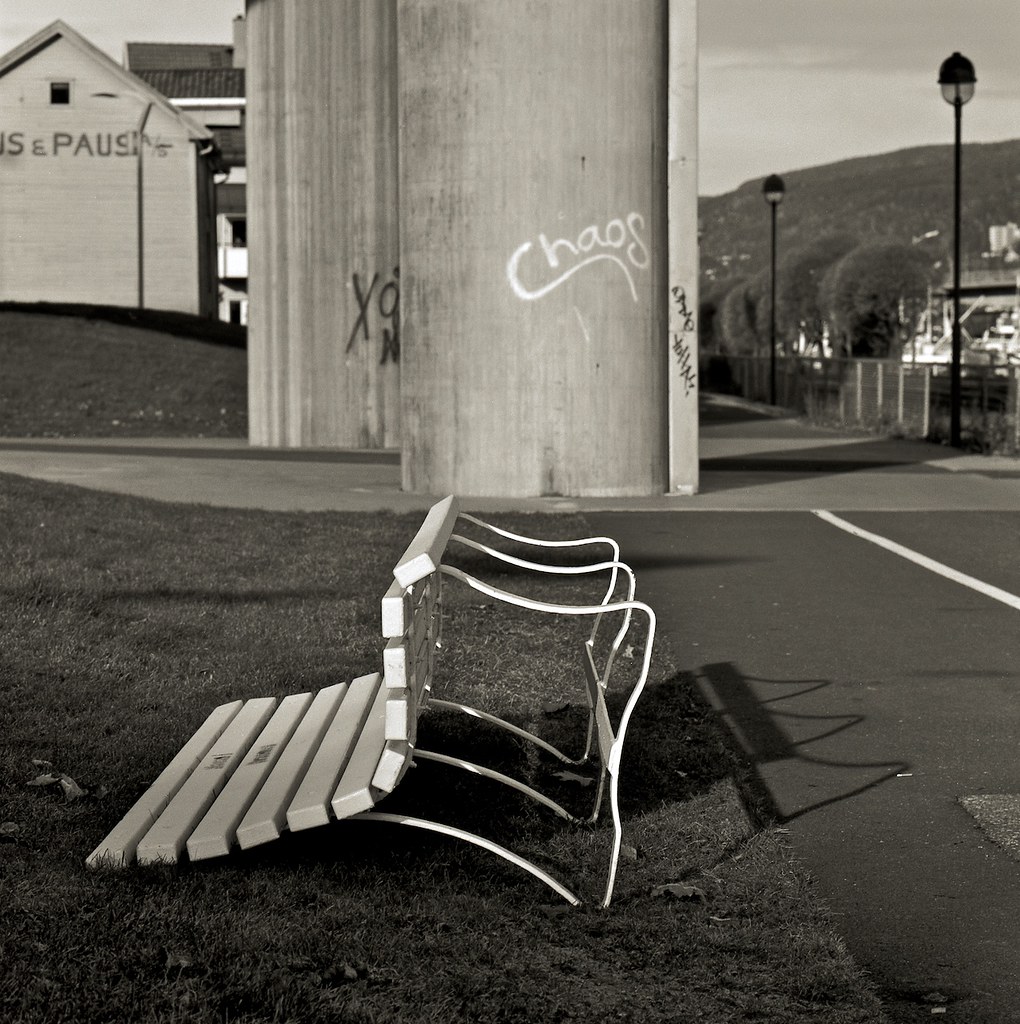
Near Drammen Docks, Norway, Royal 35-M, TMX, EI100, C-C-L
And the results? Quite pleased really. The grain certainly is quite fine, the tones are nice and subtle. Any deficiency in the quality of the pictures is most likely due to my rather puny scanner as much as anything else.

Thursday, 9 June 2011

More on Reduced Sodium Carbonate C-M

A note: The idea of a reducing the pH of Caffenol-C-M and H is not new. Some claim ownership to the idea, I find that rather pretentious, its not as if one mind and one mind only can come up with such an idea. Caffenol is all about experimenting after all. Not to mention that there are many shades of grey in such a matter, exactly how much one should reduce the pH to gain best results is a matter of taste. For the avoidance of doubt I hacked out my recipe in cooperation with Mike Overs (flickrID: mikeinlagardette). I´ve decided to call it Caffenol-C-M (RS), as it is still based on Reinhold´s (caffenol.blogspotcom) recipe, the honour is his. Mike himself uses a version with even lower levels of sodium carbonate, which I very well might have a go at myself at a later date.

My first two films to be developed in a reduced sodium carbonate version of Caffenol-C-H or M were HP5+ and GP3. Both came out very nicely, and showed some of the qualities I´ve been looking for ever since I found out I had in fact developed a film in a low pH Caffenol (by accident) early on in my experiments. The main quality I´m looking for is smoother gradation of the middle and lighter tones. The aforementioned films are very nice, but are as yet not my primary films of choice.

Acros and TMX have been my mainstays since the beginning, and I still prefer them to most other films I´ve tried. I thought I´d share a few examples of both films taken over the last month or so:
Rolleiflex 2.8E3, Acros (120) , EI 100, Caffenol-C-M (RS) 11:30min @ 20C

Pentax SP1000, Takumar SMC 50/f1.4, TMX (135) in Caffenol-C-M (RS), 13min @ 20C

Rolleiflex 2.8E3, Acros (120), EI 100, Caffenol-C-M (RS) 11:30min @ 20C

Rolleiflex 2.8E3, TMX( 120), EI 100, Caffenol-C-M (RS) 14min @ 20C

Flexaret Va, TMX (120), EI 100, Caffenol-C-M (RS) 14min @ 20C

Pentax SP1000, Takumar SMC 50/f1.4, TMX (135) in Caffenol-C-M (RS), 13min @ 20C


Wednesday, 16 March 2011

More on re-using Caffenol

Its been a while since the last post. I´ve been busy on other fronts, building a 6x17 camera out of a Cognac case for one thing. More on that later.

When it comes to Caffenol and using a batch for more than one 120 film. I´ve tried that out with success already. I´ve now done it again, this time three films in succession, all from the same 530ml mix, and this time not adding any instant coffee, just adjusting to the development times somewhat. I´ve not yet scanned the first film (not that relevant to the subject of re-using Caffenol really), but I have scanned both films two and three. How did they come out? Perfectly OK in fact. I wouldn´t say that I could see any detrimental effects of using the batch for three 120 films at all. In the case of 135 films, a single batch of 530ml could be used for up to 6 rolls if need be. The reason for doing this is not that one would save money, or the environment for that matter, but time. Time is a much more important commodity.

Adding 5-10% development time for Caffenol-C-M has been suggested as a place to start. I opted to add a minute for each successive film, even if the films were different and required different development times to begin with. For Acros (normally 12 minutes) 1 minute added would equate to nearly 10%, whereas a minute for TMX (normally 14-18 minutes) would equate to 6-7%. To be honest I think that both films are rather tolerant of variations in the mix and timings, that it doesn´t matter much. Don´t quote me on that though, YMMV.

From film no. 2 (TMX, EI 100, @ 16+1 minutes):
Flexaret Va, TMX, EI 100, in re-used Caffenol-C-M, @ 16+1min

From film no. 3 (Acros 100, EI 100, @ 12+2 minutes):

Ikonta w/Novar f4.5, Acros EI 100 in re-re-used Caffenol-C-M @ 12+2min

Wednesday, 15 December 2010

New old brew

I´ve now used up all of 6 litres of developer, 12 films in all. I had to pour out some moldy coffee, but apart from that I used every drop I pre-mixed in the beginning of October. I´ve brewed up new solutions for this the latest TMAX100 film (examples below). I´ve dispensed with Potassium Bromide altogether. Whether or not that was a good idea I´m not sure. For the first time I´ve got what could be streaks, 2-3mm along one of the edges of most of the frames. I´m not sure why. Anyhow, when mixing the new Ascorbic acid and Sodium Carbonate solutions together, before adding coffee, I could see a marked difference in colour. The stored solutions grew ever more yellow when mixed, the freshly mixed solution however turned a very pale greenish yellow. Whether or not this change in reaction has anything to do with the developing capabilities I couldn´t say. I seem to be getting good results no matter how long the mixtures have been stored.

Fresh Caffenol-C-M (no PB remember):
TMAX100, Caffenol-C-M
TMAX100, Caffenol-C-M (if you pick one to enlarge, this is it)

TMAX100, Caffenol-C-M

TMAX100, Caffenol-C-M

Caffenol-C-H, almost C-M

On Reinhold´s recommendation I´ve been slowly, but surely, making my way from C-H to C-M Caffenol for TMAX100. The difference being potassium bromide, or the lack of it with respect to Caffenol-C-M. This is the last film of TMAX100 with any PB at all, 0.2g/l to be precise. Its also the last film from the old batch of chemicals, but with fresh coffee.

TMAX100, modified C-C-H

TMAX100, modified C-C-H

TMAX100, modified C-C-H

Tuesday, 7 December 2010

More of storage of Caffenol pre-diluted components

As you know, I dilute each of the three main ingredients at 3x strength and store in stand bottles. It works too, at least for something in the region of 6 weeks. I´ve a hypothesis that the sodium carbonate and the ascorbic acid will keep very well. I can´t see why the first should go off, and the second is often used as a preservative. But the coffee, it will go off sooner or later. I therefore performed a test to see how well the coffee mixture will perform at the end of its useable lifespan. At six or seven weeks it starts to develop mould. I would suspect that in the warm summer this can be shortened by a couple of weeks or more. I developed two films the same evening. Both films developed in developer mixed from the same well matured sodium carbonate and ascorbic acid mixes, but one with the old coffee mixture, and one from a fresh batch of coffee. I used 18 minutes for the old coffee mix, and 16 for the new, both @ 20C/68F. I´ll jump the gun and reveal that I couldn´t quite see much of a difference. Judging from the film edges and the Kodak markings both films were developed to within a hair´s breadth of each other. Meaning that the old coffee most likely had deteriorated somewhat, it had been developed an additional two minutes, but not so much as to have an impact on the end result. Both films were equally easy to scan, I would hesitate a guess that they would perform well when subjected to darkroom enlarging.

A few examples from each film.

TMAX100: Old coffee, as are the other chemicals

TMAX100: New coffee, otherwise "old" chemicals

TMAX100: Old coffee, as are the other chemicals


TMAX100: New coffee, otherwise "old" chemicals


TMAX100: New coffee, otherwise "old" chemicals

I´ll be using the rest of the now 9 week old sodium carbonate and ascorbic acid solutions until empty. I find no reason not to. The coffee mix will most likely keep for a good 6 weeks.

Oh, and I´ve just ordered some Fuji Acros 100, it´ll be fun to see if it performs as well as Reinhold at the Caffenol.blogspot says, and if it compares to my TMAX100 experiences.

Note: All pictures taken with my Kowa Super 66

Tuesday, 23 November 2010

Does Caffenol expire, or can it be stored?

Its been said that the Caffenol ingredients can´t be diluted in water prior to use, as they will rather quickly loose their effectiveness. As with most things, at least according to my experience, this depends. If you are happy with your solutions still working 6 weeks after dilution, then yes, solutions can be premixed. By this I mean mixing with water as to be ready for mixing when developing, negating the need to measure up and dissolve powders when the time comes to develop a film. It also helps reduce measuring inaccuracies, as you will be operating with much larger amounts of the different components.

There are three main ingredients to Caffenol-C-H and C-M. Sodium Carbonate, Coffee and ascorbic acid. C-C-H may need a dash of Potassium Bromide, I´ll come to that later.

My Paterson 4 tank takes 500ml of developer for a 120 film. I therefore want to measure up three equal parts, volume, to make up the developer. This means that each premix solution needs to be 3x more concentrated before mixing. I take three two-litre compressible stand bottles such:

Sodium Carbonate: 3x54 grams pr litre (162g/l), two litres = 324g/2l
Ascorbic acid 3x16 grams pr litre (48g/l), two litres = 96g/2l
Coffee (instant) 3x40 grams pr litre (120g/l), two litres = 240g/2l

This will result in 6 litres of developer, enough for 12 shots of 500ml (1/2l) in a Paterson 4 tank

If you need Potassium Bromide, premix it to a concentration of 1g/10ml and add between 2.5 and 10ml (0.5g - 2g/l) to the mix if needed. Faster films typically need more, slower films may even do without.

I´ve done this. Apart from the advantages listed above, you will be able to start development much quicker as all you need to do is mix the solutions together and use more or less immediately. You need not wait for the powders to dissolve and the solutions to settle. I mix the carbonate and ascorbic acid first, then add the coffee last.

Does it work? Well all the films from the previous blog entries here have been developed from the same premixed solutions. A few examples from last film I developed can be seen below. At the time of developing the solutions had been stored for over 6 weeks!

Kowa Super 66, Kowa 85f2.8, TMAX100, EI 80, Caffenol-C-H, 16min@20C


Kowa Super 66, Kowa 85f2.8, TMAX100, EI 80, Caffenol-C-H, 16min@20C


Kowa Super 66, Kowa 85f2.8, TMAX100, EI 80, Caffenol-C-H, 16min@20C


Kowa Super 66, Kowa 85f2.8, TMAX100, EI 80, Caffenol-C-H, 16min@20C

Saturday, 13 November 2010

Back to TMAX100 in Caffenol-C-H

This seems to be a trustworthy and safe bet, every time. I´ve now landed on a Caffenol-C-H derivative which follows the standard recipe to a T, apart from a reduced level of potassium bromide; 0.4g/l. This roll was exposed under very different conditions. From afternoon sun, cloudy conditions, to night long exposure scenes. All came out very nicely.

TMAX100 in Caffenol-C-H* @20C/68F 16 minutes

In the woods just before sundown (enlarge to see it in detail):
Kowa Super 66 w/85f2.8 TMX EI 80

Night shots:

Kowa Super 66 w/85f2.8 TMX EI 80 (reciprocity corrected 32s metered, 65s exposure, 1/8th GN48 flash pointed skywards to illuminate weather vane)


Kowa Super 66 w/85f2.8 TMX EI 80 (reciprocity corrected 35s metered, 75s exposure)

Caffenol-C-H took all in its stride. TMAX100 and C-C-H is a bullett proof combination.

Tuesday, 26 October 2010

Caffenol-C-H third test roll

After a first attempt somewhat underdeveloped and a second slightly overcooked, the third effort has been developed in Caffenol-C-H with just 0.5g/l of potassium bromide (Reinhold @ the Caffenol blogspot says I can cut it out altogether) and for 16 minutes @20C/68F

At first when scanned I wasn´t quite as impressed as with effort no. 2. They seemed to be slightly flatter than the previous attempt. But after post-processing I think they turned out nicely. The micro contrast is still well controlled, and highlights are nowhere near being blown. Shadows are full of detail, if one would want to draw it out. Here are some examples (click for larger version, they do the pictures more credit):


My Caffenol set on Flickr

I´ve been able to get consistent results, and results I like, over the last films. I will definitely continue using Caffenol for TMAX100 from now on. Next tests will be with TMAX400, I just need to get some first.

Try it out. Its not at all difficult. And the negatives do have a signature, if you like it, you need to try it out.

Monday, 25 October 2010

Caffenol-C-H second go

The results from the first film were encouraging. There were little in the way of streaks, uneven development, spots and the like to suggest that Caffenol should be written off as a mere mad chemist´s concoction. It works, and does nice things to the negatives too. So armed with new knowledge I went about developing film two. Same recipe as last time, though a tad less potassium bromide, now only 0.8g/l. But 18min @ 20C/68F, 1min initial agitation, 10s every minute.

And boy did this knock my socks off:
Overcast with a bit of sun. High contrast lighting
Overcast, rain and dreary, low contrast lighting
Same conditions as above

 I´m very content with the quality of the negatives. The somewhat muted contrast, the way Caffenol reigns in the highlights at the same time as it draws out shadow detail is impressing.

They may be a tad overdeveloped however. So next effort will be shortened to 16mins or thereabouts.

What´s stopping you trying out Caffenol?

Sunday, 24 October 2010

Caffenol-C-H first try

Hanging out on Apug can be hazardous to your health. The Scandinavian forum has a few rather enthusiastic members advocating the advantages of brewing your own developer. As self professed DIY'er this sort of thing appeals to me. Reading their input and Reinhold's Caffenol blogspot convinced me that this is not only possible, but can be advantageous too. Caffenol can act as a speed enhancing developer, and to a certain degree as a compensational developer, allowing shadow areas to develop faster than highlights, making high contrast scenes salvageable, while retaining shadow detail. The ingredients can be found in your local grocery, hardware or pharmacy store. One might not exactly save money compared to a commercial developer, but I was looking forward to the sense of accomplishment one gets when doing things yourself. All developers have a signature of sorts. My current TMAX developer is rather strong on contrast and gives good thick negatives. Which is fine for printing, but not so much for scanning with flatbed scanners (due to their lower DMax ratings). I could of course experiment with different temperatures and dilutions, more or less fixing, different stop baths etc, but that doesn't seem quite as compelling as brewing my own developer. Reinhold's blog has more information on the subject of Caffenol than any other site I´ve found. Armed with the recipes found here, and experiences shared by my fellow Scandinavian Apug members, I went about getting hold of the different ingredients.

Caffenol-C derivatives all require three main ingredients. Vitamin C in addition to the basic original Caffenol ingredients of instant coffee and a pH regulating substance, normally sodium carbonate. The addition of vitamin C makes for faster development times, and it also goes a long way in hindering the coffee staining the negatives. It might introduce haze on some films, but that can be counteracted by using very small amounts of citric acid or potassium bromide. I chose to start with Caffenol-C-H for my TMAX100 and 400 films.

For every litre of ready developer you need the following ingredients:

  • 54g of Sodium Carbonate (Washing soda, anhydrous)
  • 16g of Ascorbic acid (vitamin C)
  • 40g of Instant coffee (the darker and less palatable the better, preferably Robusto coffee as it contains more of the active agent caffeine acid)
  • 1-2g of Potassium Bromide*

*TMAX films evidently are not susceptible to haze, so I cut back on the bromide to under 1g/l

Development times vary, depending on the film type and speed, and of course on your own preferences. 15 minutes at 20C/68F is recommended as a starting point. I´d seen examples of decidedly shorter development times that turned out quite nicely, so I thought I´d start off with 11-12 minutes. Thinner negatives would still be scannable, or so I thought.

My first film of TMAX100 I exposed a few scenes bracketed one stop above and below the nominal EI of 100. I dissolved each ingredient separately and bottled them for later use. I took into account the final mixing ratios so I could mix the three main ingredients in equal amounts totaling 490ml, topping off with 10ml of 1g/10ml concentration Potassium Bromide solution. (Hopefully the pre-mixed ingredients will not go bad before I have time to make use of them)

Film loaded in a Paterson 4 tank, 11 minutes development, normal agitation scheme (1min initially, 10s every minute thereafter), water stop bath (1min), TMAX fixer (5min), washing and photo-flow (20min).

How did they turn out? Well, I should have listened to Reinhold. The negatives where thin, a bit too thin. However there were quite a few negatives which were no more difficult to scan and post-process than TMAX developed negatives, just different.

Here are a few examples (test images, not chosen for their photographical merit, click to enlarge):
EI 100, levels adjusted, exposure ramped up 0.7,
mid-contrast increased
EI 100, levels adjusted, exposure ramped up 0.7,
mid-contrast increased

EI 100, levels adjusted, no other post-processing

With a little bit of help from my Scandinavian Apug friends I decided to up the development of the next film by 2/3s of a stop. More on the results from that film later.

Not counting the obvious underdevelopment, a fault of my own doing, I think the negatives came out pretty well. As promised, Caffenol does well in drawing out shadow detail, yet retaining the highlight information. The contrast is somewhat subdued, probably not helped by using venerable single coated optics, and can be seen as a disadvantage in the darkroom, but an advantage in my book as it gives my scanner a better time of scanning the negatives.

Saturday, 23 October 2010

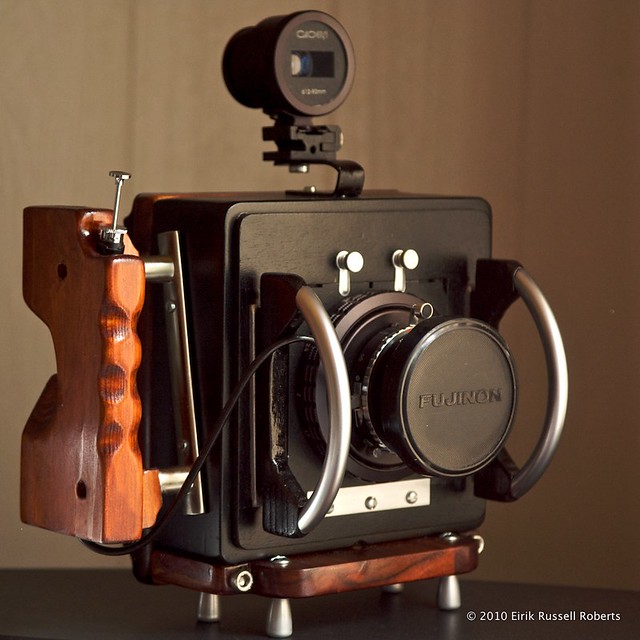
DIY 4x5/6x12 P+S Version 0.4

I´d been pondering over what to do with handle for a while when I came over flickr member "adbieber" creations. A master of camera building and modification. His Nimslo quad lens camera conversion to a 135 film panoramic camera is one such masterpiece: adbiber´s Nimslo panoramic flickr set

I took inspiration from the handle and adapted the design for my purposes. It turned out like this:

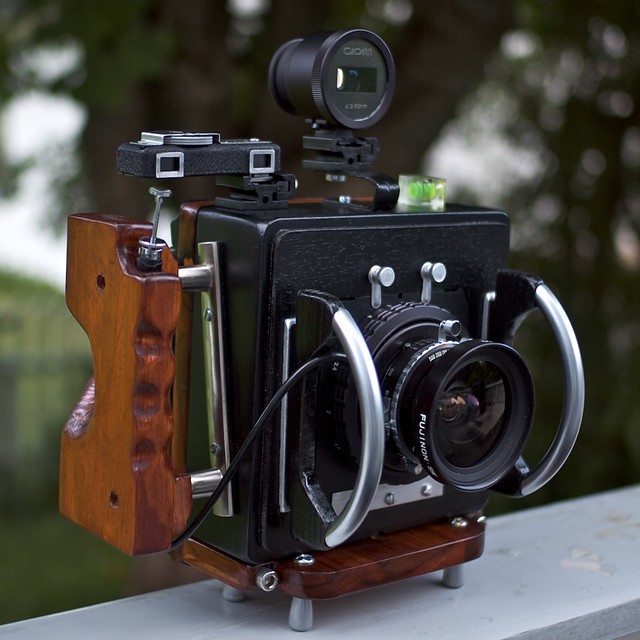
And finally I added an accessory shoe for a rangefinder, and added a spirit level:


I´ve no desire to modify it more. It works as intended, and even if rather large in size, weighs no more than 2.3kg including roll film back. For a 4x5 camera, I don´t think thats too bad. Instead I´ll be making another camera over the long Norwegian winter. A few shots with the camera as it now stands:


Monday, 18 October 2010

DIY 4x5/6x12 P+S Version 0.1 first images

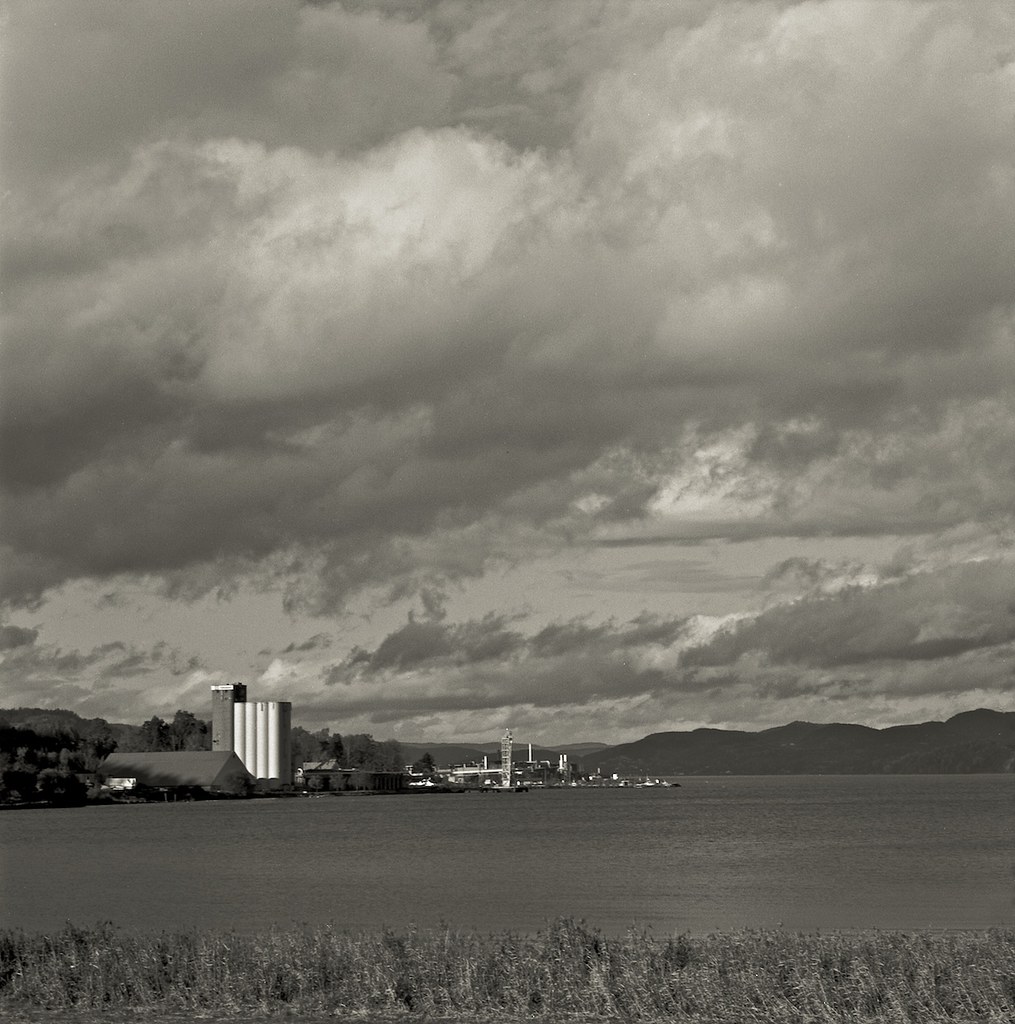
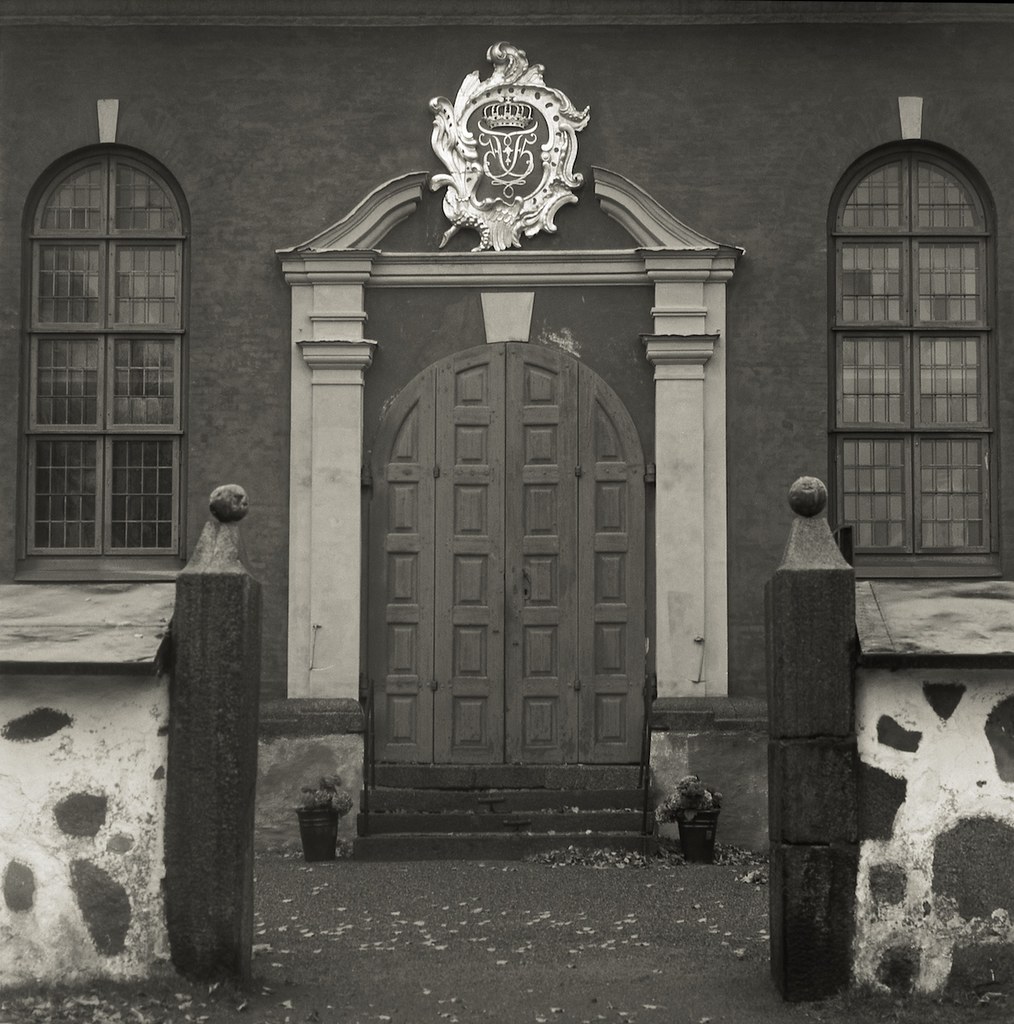
Two images from the first two rolls of film. Unfortunately most images were ruined due to a light leak. I´ve since found out the left hand side of the roll film back does not mate perfectly with the Graflok back letting in light. Need to add som velvet or foam to get it right.

Anyhow, these are shot on TMY-2 and TMX respectively. (click for bigger image)