Visit my new blog

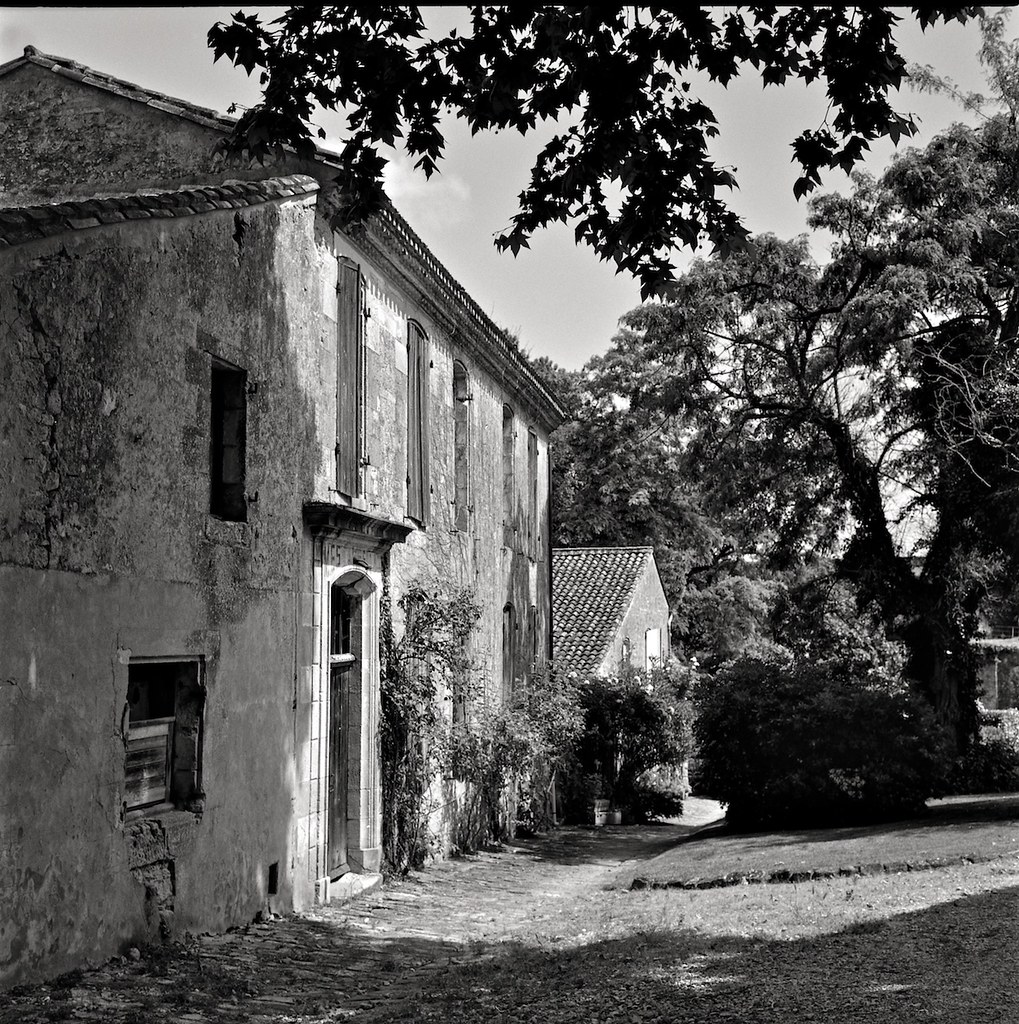
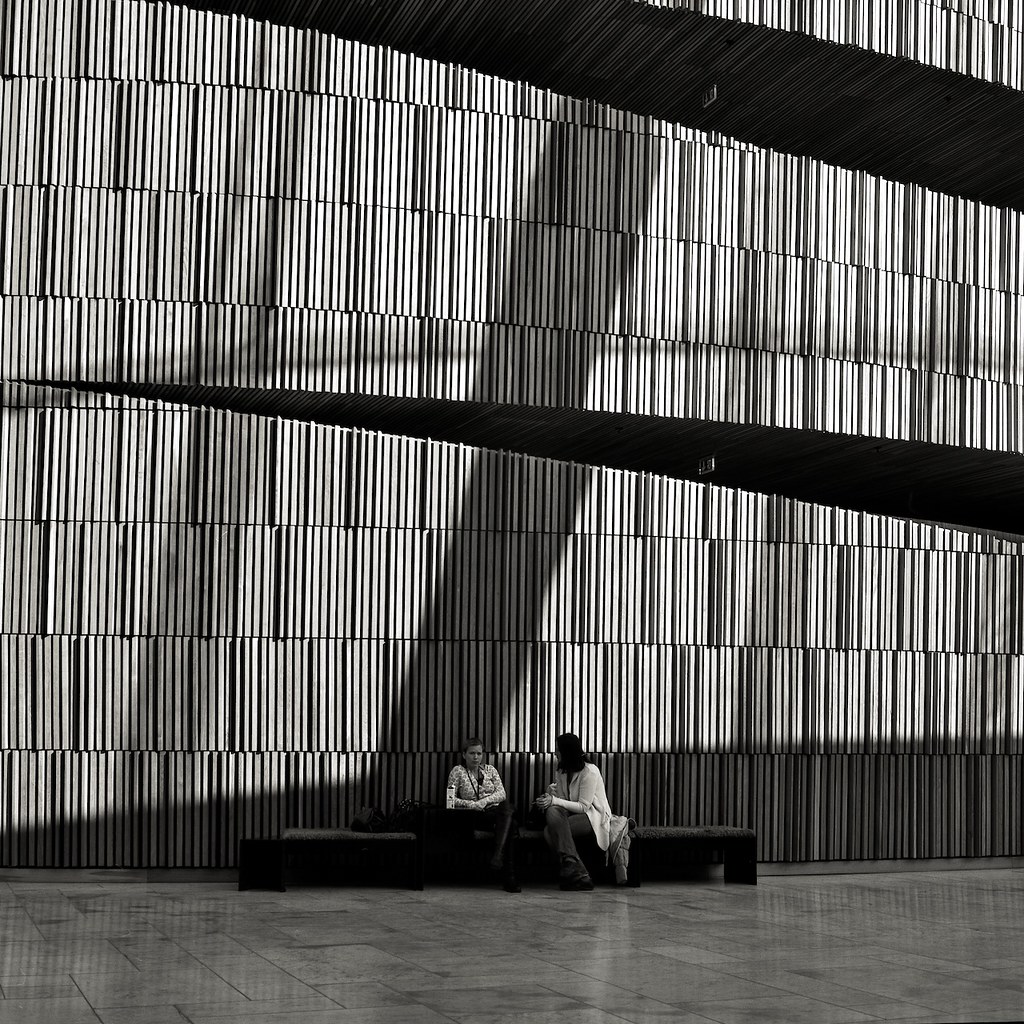
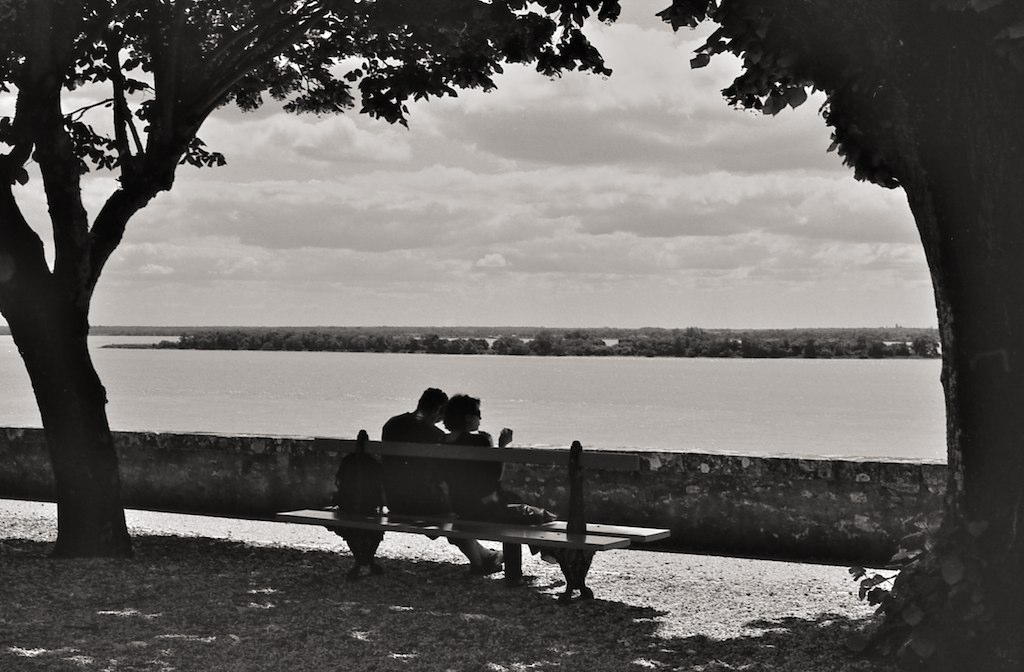
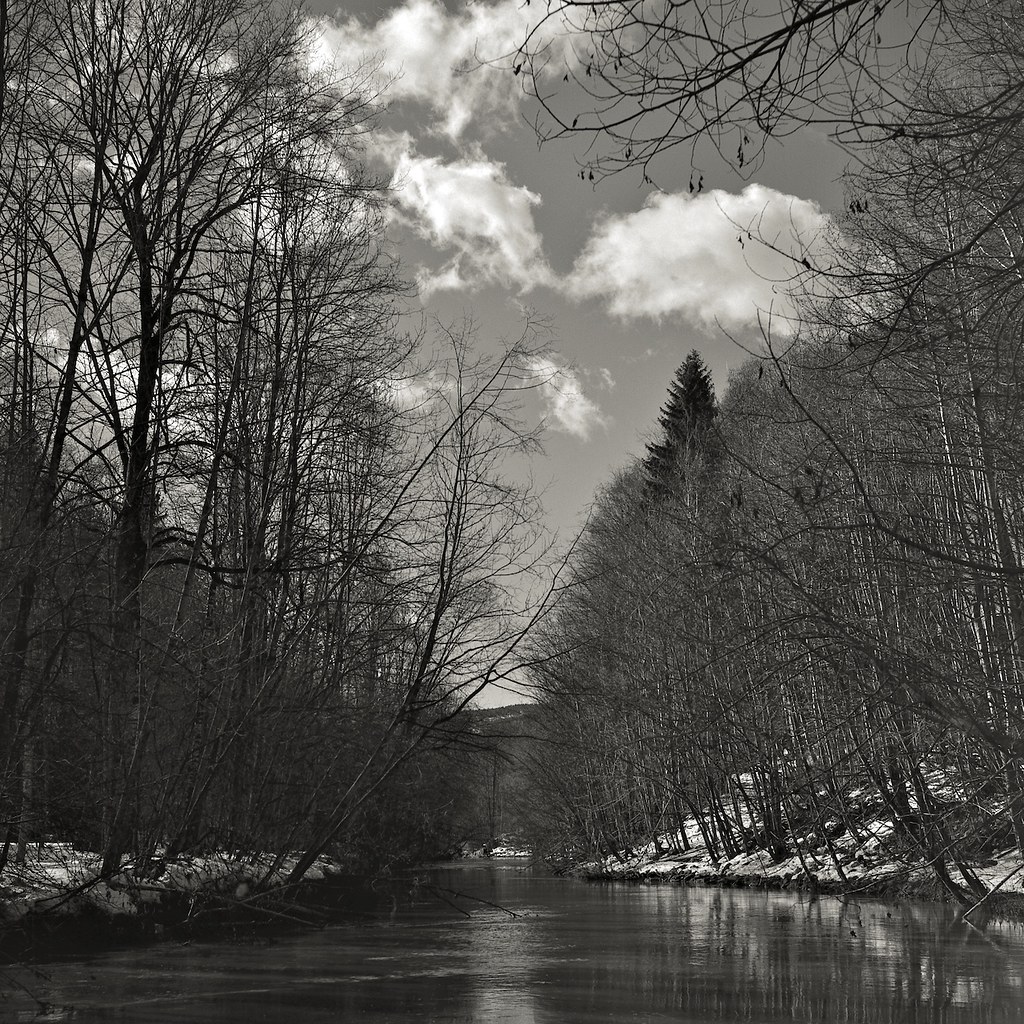
I´ve decided to split my blog in two. I will continue to post DIY projects and musings here, but (serious) pictures, taken on film of course, will be posted in my new blog "Silver Halides"

I now consider Caffenol to be a developer like any else. As such the new blog will focus more on the pictures, rather than the process.
Showing posts with label Acros 100. Show all posts

Sunday, 4 November 2012

I adore the I Adore

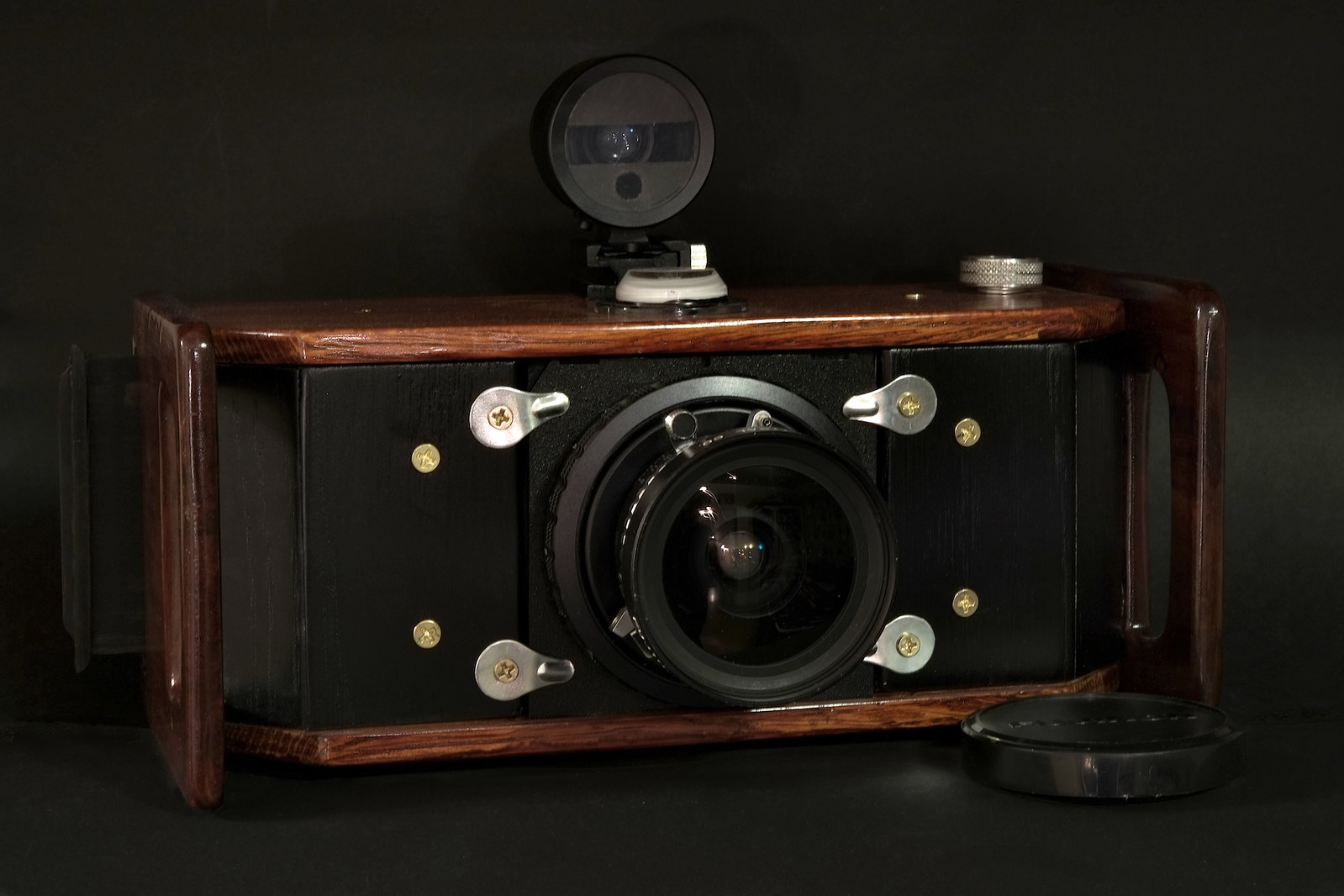
Though it worked fine from the get go, I have been tinkering a bit with the 6x17 "I Adore" camera over the last few months. Small things, some cosmetic, some practical. Made the light seals more substantial. Added a level and modified the finder mask to allow vieiwing of the level whilst composing. Added a tripod mount. Checked and adjusted the lens flange to film plane and other minor changes.

Still have to find a solution to films of variable thickness. The pressure plate works well with heavy duty Kodak films, but less so with the delicate Fuji films. Having said that, the picture of the palace below is sharp all across the frame, and it was shot on Acros. Maybe I need to stop worrying and just shoot more.


I Adore, DIY 6x17

Norwegian Royal Castle, "I Adore" 6x17, Acros, Caffenol-C-M(RS)

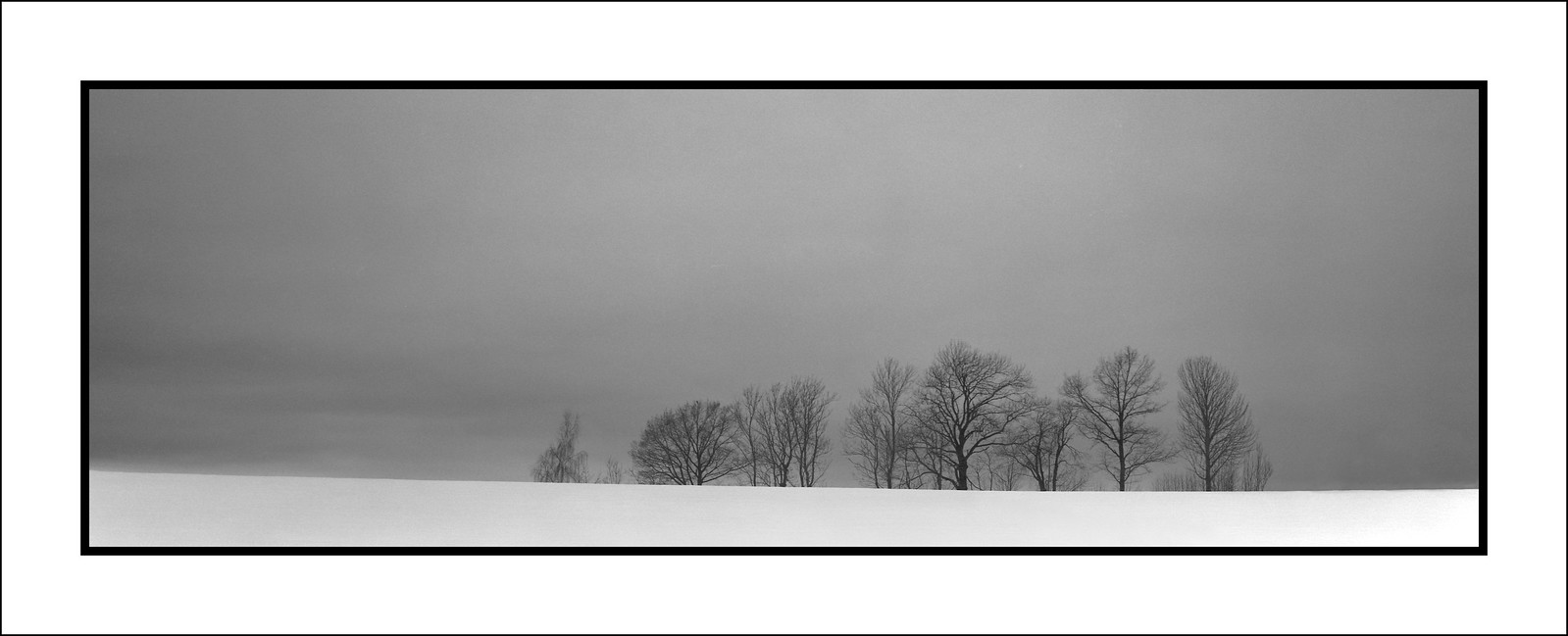
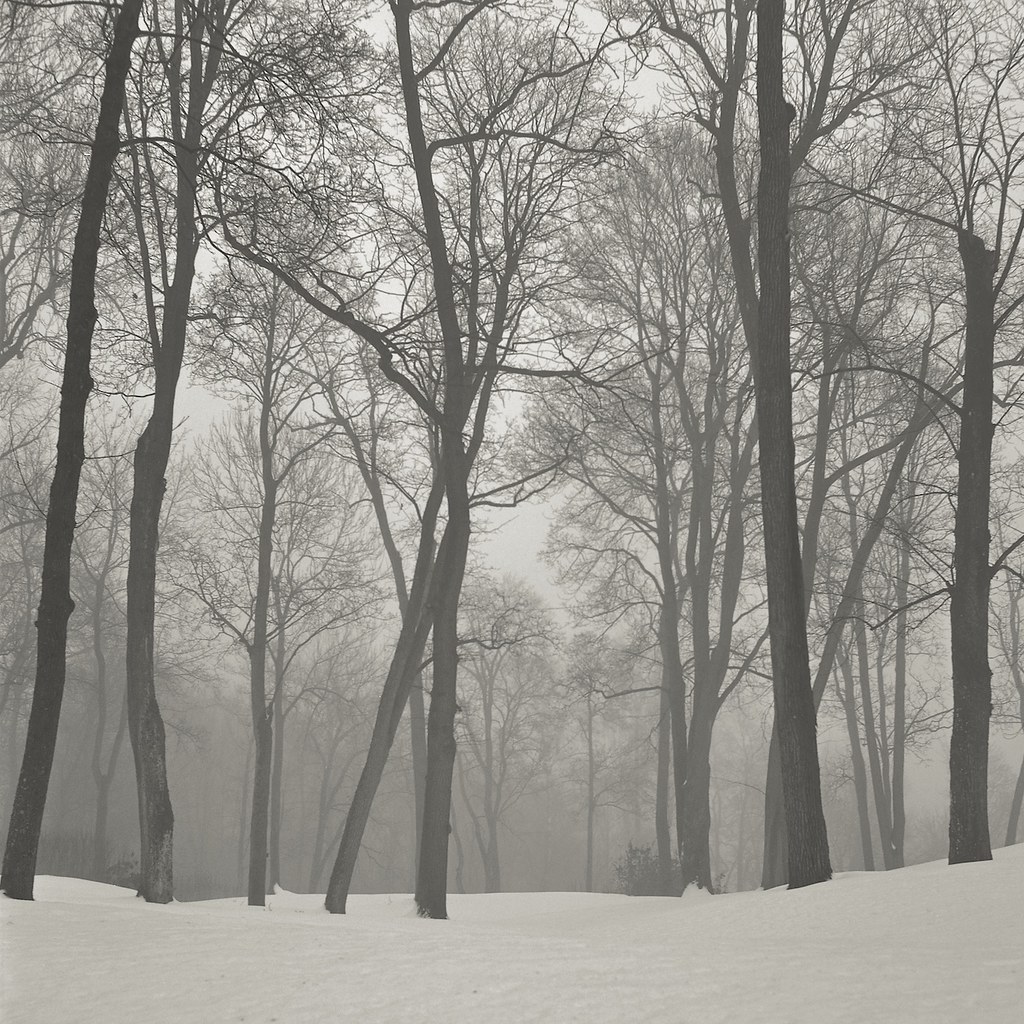
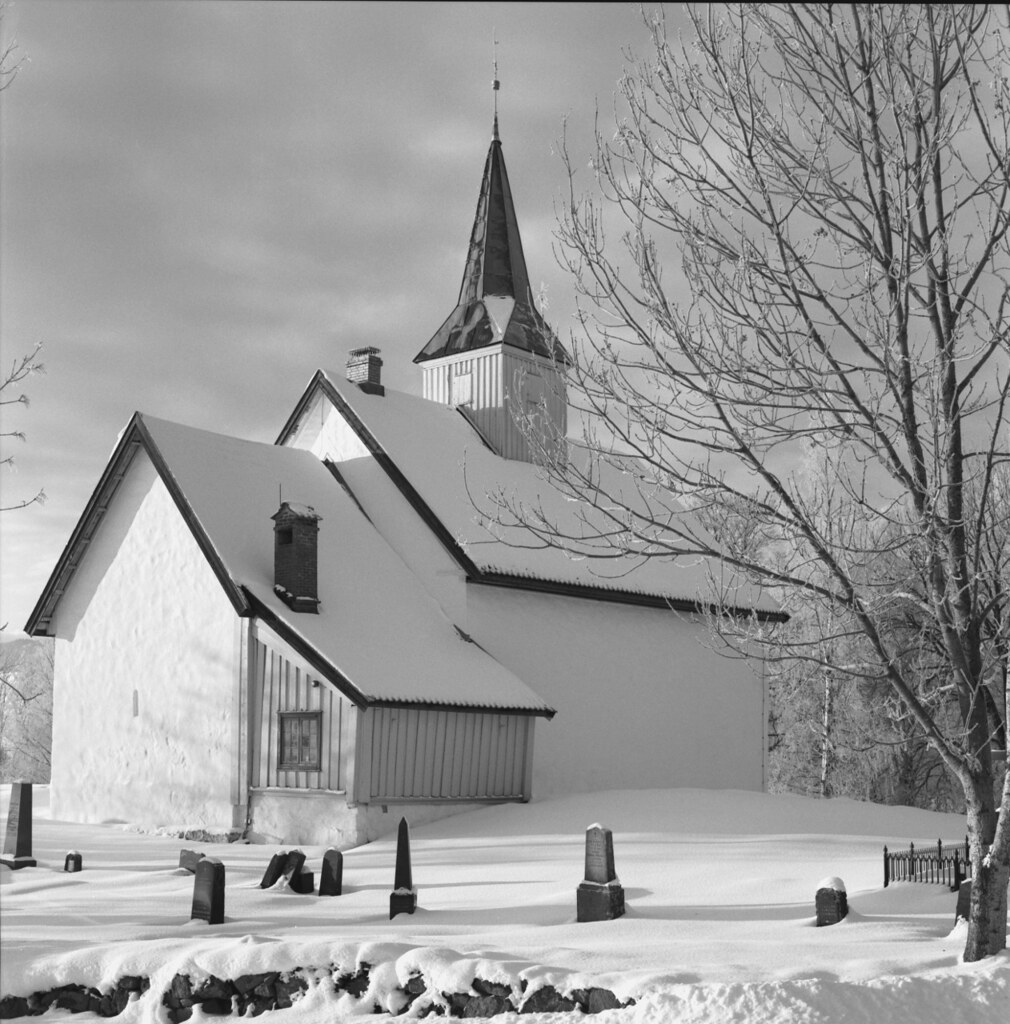
Trees in winter, "I Adore" 6x17, Portra BW400, Caffenol-C-H(RSA)

Thursday, 9 June 2011

More on Reduced Sodium Carbonate C-M

A note: The idea of a reducing the pH of Caffenol-C-M and H is not new. Some claim ownership to the idea, I find that rather pretentious, its not as if one mind and one mind only can come up with such an idea. Caffenol is all about experimenting after all. Not to mention that there are many shades of grey in such a matter, exactly how much one should reduce the pH to gain best results is a matter of taste. For the avoidance of doubt I hacked out my recipe in cooperation with Mike Overs (flickrID: mikeinlagardette). I´ve decided to call it Caffenol-C-M (RS), as it is still based on Reinhold´s (caffenol.blogspotcom) recipe, the honour is his. Mike himself uses a version with even lower levels of sodium carbonate, which I very well might have a go at myself at a later date.

My first two films to be developed in a reduced sodium carbonate version of Caffenol-C-H or M were HP5+ and GP3. Both came out very nicely, and showed some of the qualities I´ve been looking for ever since I found out I had in fact developed a film in a low pH Caffenol (by accident) early on in my experiments. The main quality I´m looking for is smoother gradation of the middle and lighter tones. The aforementioned films are very nice, but are as yet not my primary films of choice.

Acros and TMX have been my mainstays since the beginning, and I still prefer them to most other films I´ve tried. I thought I´d share a few examples of both films taken over the last month or so:
Rolleiflex 2.8E3, Acros (120) , EI 100, Caffenol-C-M (RS) 11:30min @ 20C

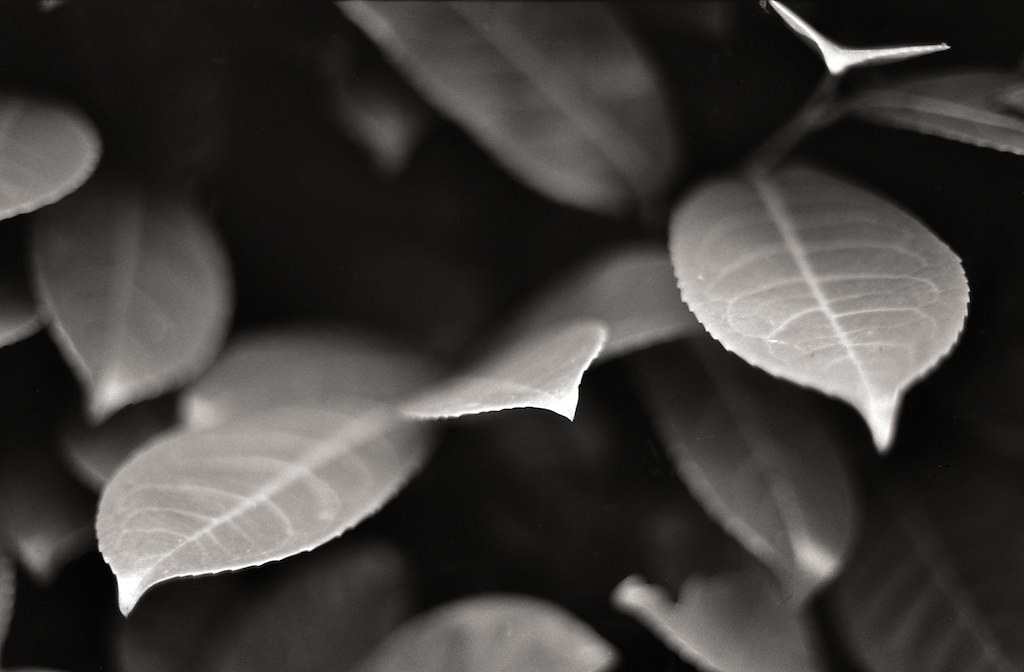
Pentax SP1000, Takumar SMC 50/f1.4, TMX (135) in Caffenol-C-M (RS), 13min @ 20C

Rolleiflex 2.8E3, Acros (120), EI 100, Caffenol-C-M (RS) 11:30min @ 20C

Rolleiflex 2.8E3, TMX( 120), EI 100, Caffenol-C-M (RS) 14min @ 20C

Flexaret Va, TMX (120), EI 100, Caffenol-C-M (RS) 14min @ 20C

Pentax SP1000, Takumar SMC 50/f1.4, TMX (135) in Caffenol-C-M (RS), 13min @ 20C


Tuesday, 12 April 2011

Really, really mature Caffenol

I´ve not had the opportunity to develop any films these last two months. As a result I have a litre or more of each of the main components maturing in my cellar. They are now more than 4 months old. How will they perform? I finished off a roll of Acros exposed at EI 100, to find out. The first two frames were from my recent visit to Canada, the others not so important - shot in and around my home town. I could live through a dud development if that were to be the case.

When mixing the solutions together, the sodium carbonate and the ascorbic acid first, produced a dark brown colour, very unlike when fresh (light yellowish green), and the coffee being a milky brown (most likely starting to develop mold). Didn´t look at all promising. The only positive change was that when all mixed together the distinctive Caffenol smell was all but absent. Oh well, no guts, no glory. I developed the film as normal, no adjustments. Out of the fix it looked not too bad. Out of the wash even better, and when dried more or less as normal.

When scanned I found that one of the rollers or the possibly film gate, on my camera is scratched, ruining several of the negatives. But on a positive note the negatives didn´t look too bad. If I were to be very picky I´d say they are a tad (1/3-1/2 stop) underdeveloped, and they exhibit more grain than usual, though still quite useable.

Here are three scans that could be salvaged from the scratched roll:

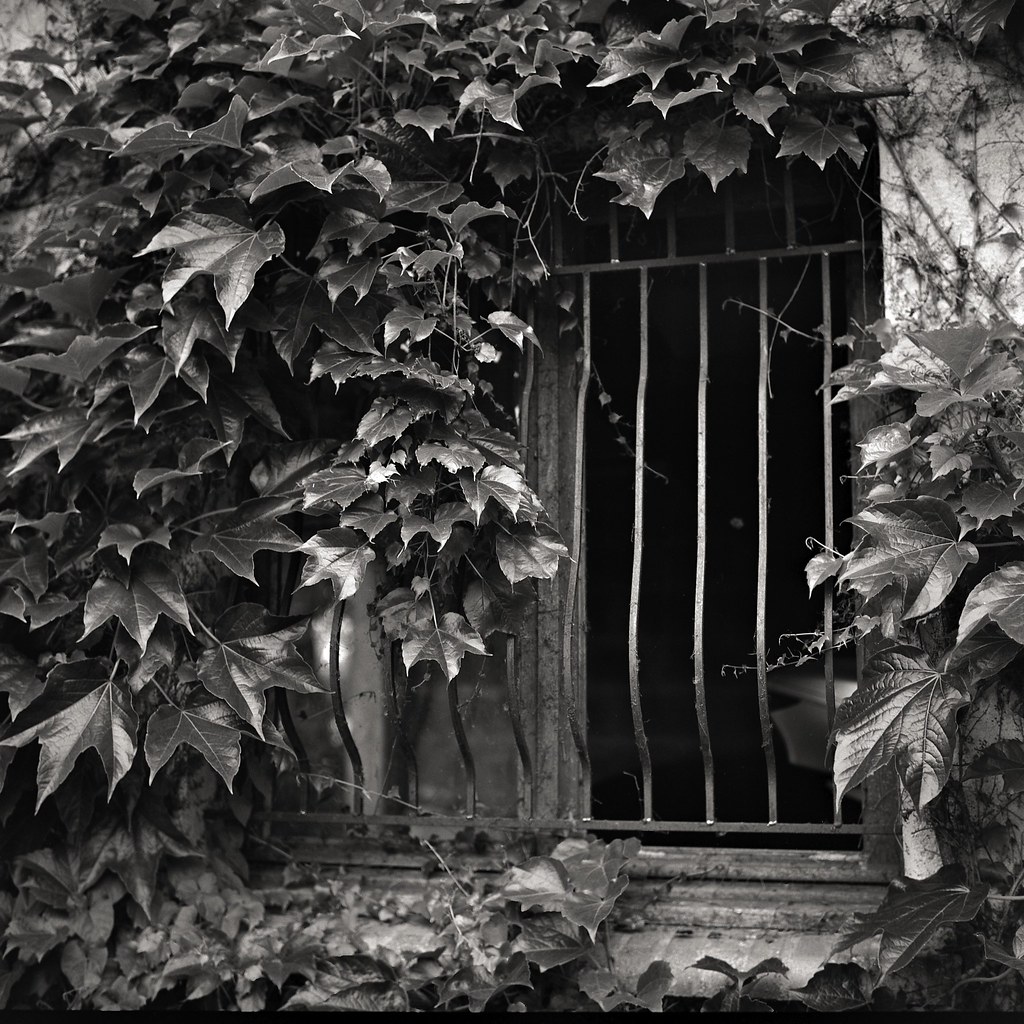
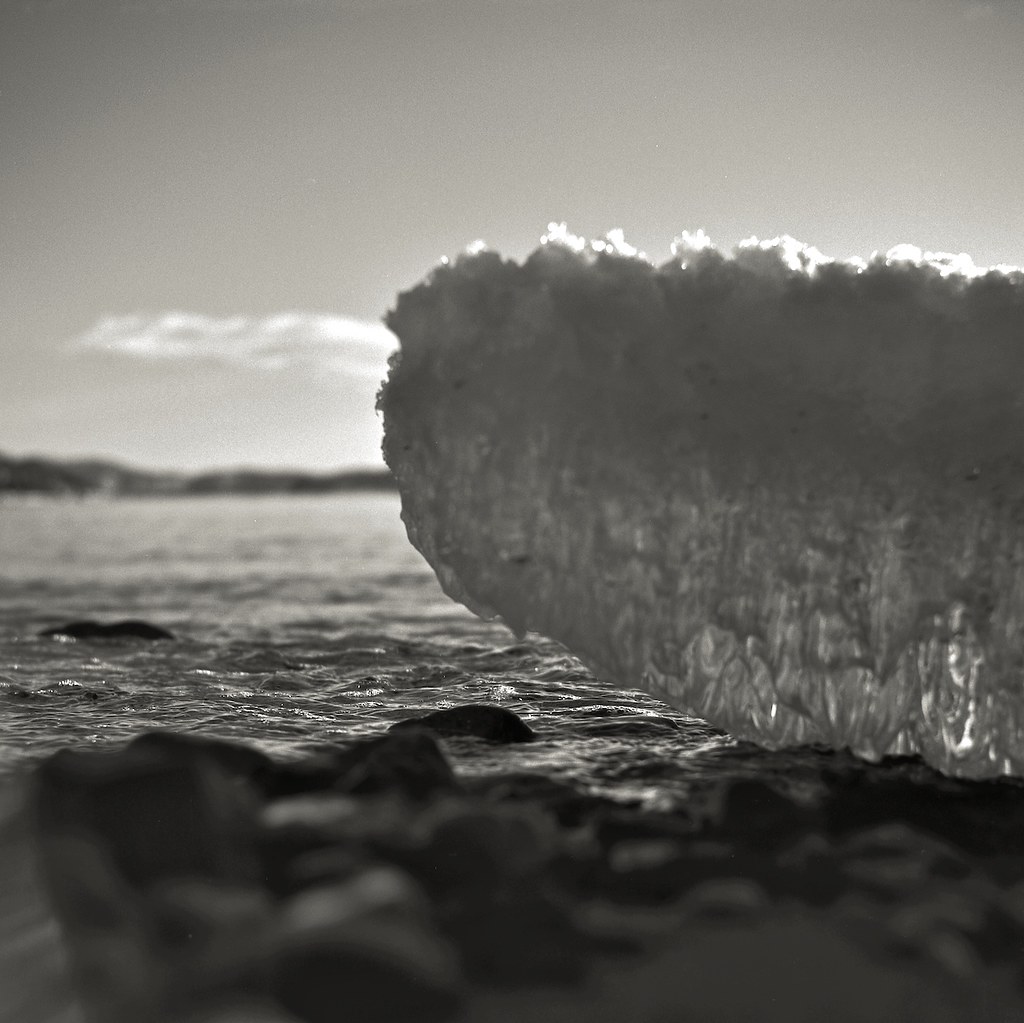
Flexaret Va, Acros, EI100, Matured Caffenol-C-M, 12min@20C, Sande river, Norway
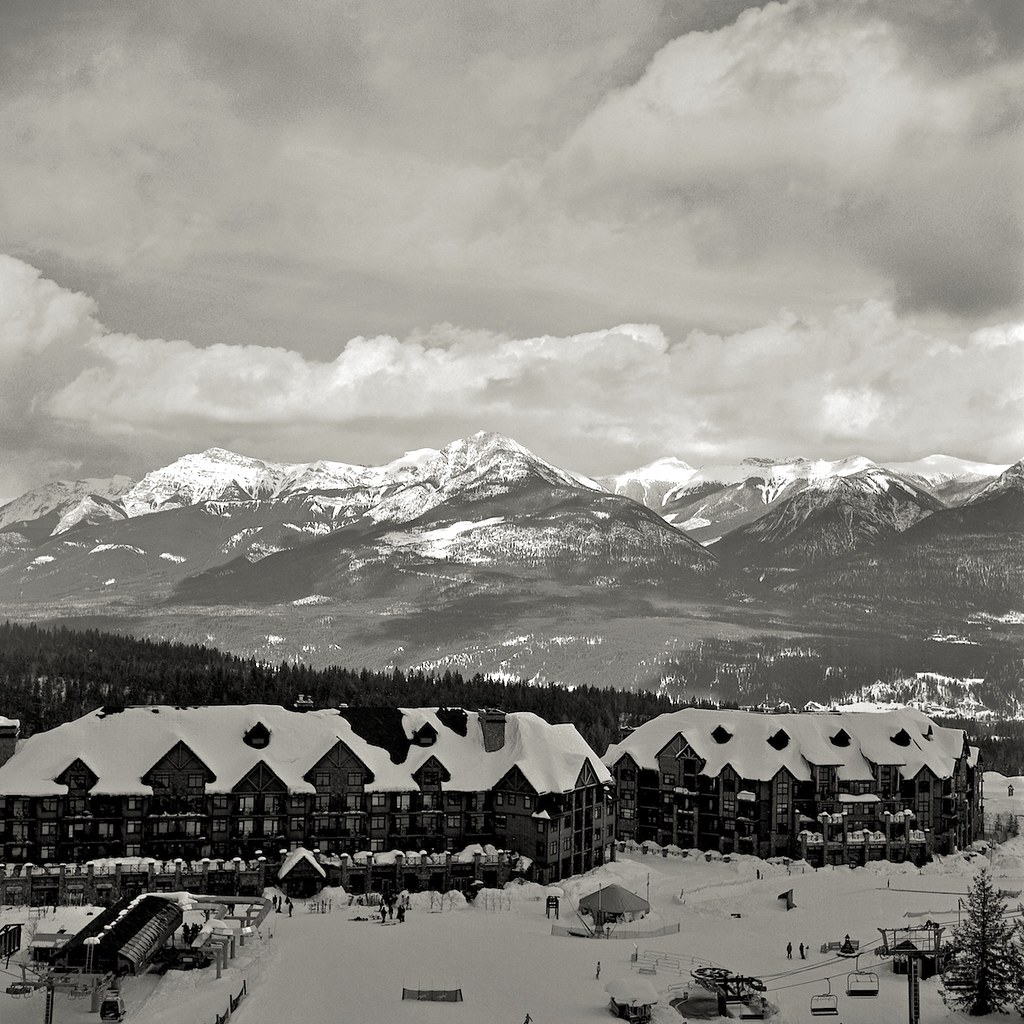
Flexaret Va, Acros, EI100, Matured Caffenol-C-M, 12min@20C, Kicking Horse, BC
Flexaret Va, Acros, EI100, Matured Caffenol-C-M, 12min@20C, Sande, Norway

Wednesday, 16 March 2011

More on re-using Caffenol

Its been a while since the last post. I´ve been busy on other fronts, building a 6x17 camera out of a Cognac case for one thing. More on that later.

When it comes to Caffenol and using a batch for more than one 120 film. I´ve tried that out with success already. I´ve now done it again, this time three films in succession, all from the same 530ml mix, and this time not adding any instant coffee, just adjusting to the development times somewhat. I´ve not yet scanned the first film (not that relevant to the subject of re-using Caffenol really), but I have scanned both films two and three. How did they come out? Perfectly OK in fact. I wouldn´t say that I could see any detrimental effects of using the batch for three 120 films at all. In the case of 135 films, a single batch of 530ml could be used for up to 6 rolls if need be. The reason for doing this is not that one would save money, or the environment for that matter, but time. Time is a much more important commodity.

Adding 5-10% development time for Caffenol-C-M has been suggested as a place to start. I opted to add a minute for each successive film, even if the films were different and required different development times to begin with. For Acros (normally 12 minutes) 1 minute added would equate to nearly 10%, whereas a minute for TMX (normally 14-18 minutes) would equate to 6-7%. To be honest I think that both films are rather tolerant of variations in the mix and timings, that it doesn´t matter much. Don´t quote me on that though, YMMV.

From film no. 2 (TMX, EI 100, @ 16+1 minutes):
Flexaret Va, TMX, EI 100, in re-used Caffenol-C-M, @ 16+1min

From film no. 3 (Acros 100, EI 100, @ 12+2 minutes):

Ikonta w/Novar f4.5, Acros EI 100 in re-re-used Caffenol-C-M @ 12+2min

Friday, 28 January 2011

Acros 100 Re-used Caffenol-C-M and night photography

Acros 100 saves time when doing night photography. Why? Because it has practically no reciprocity at all. For shots up to several minutes in length you can shoot as metered. See examples below.

Secondly, I´ve tried re-using Caffenol-C-M. I processed one 120 Acros 100 roll, and once out of the tank I developed yet another roll in the same soup. Caffenol is reputed to be one shot, however the active agents would seem not to be spent after just one film after all. Its not as if I couldn´t be bothered to mix another batch, I just wanted to try it out. Reinhold at the Caffenol.blogspot has met with success re-using Caffenol, and he´s the master of all things Caffenol, so why not? I added a teaspoon (5ml) of instant coffee to the mix, just in case and added a minute to the development, and adjusted nothing else. And hey presto, the negatives came out just as good as the first roll through the same mix. Same contrast levels, any differences could be attributed to variations in exposure as much as anything else.

I might continue doing this in future. Saves both time and effort.


The first three night shots. The last midday fog.

Flexaret Va, Acros 100, EI 200, 2 min metered and exposed, 13 min in Caffenol-C-M reused

Flexaret Va, Acros 100, 20 min exposure, pure guess metering, 13 min in Caffenol-C-M reused

Flexaret Va, Acros 100, EI 200, 2 min metered and exposed, 13 min in Caffenol-C-M reused

Flexaret Va, Acros 100, EI 200, 13 min in Caffenol-C-M reused


Sunday, 23 January 2011

Acros 100 unintentionally overexposed by not one, not two, but most likely 5 or more stops!

My Kowa leaf shuttered 85mm lens developed a shutter issue at the exact same time I started testing Acros 100. At first I thought my very dense negatives were due to my getting the development all wrong, and subsequently went out and shot another roll. The second roll showing the exact same symptoms, even after changing EI from 100 to 200 and shaving 4 minutes of the development time. This is when I started suspecting other things, like my new light meter, and went out and shot another roll with the old meter. Still dense negatives bordering on opaque. I should of course have just studied the film borders and the film base to see if the development was off, or if it indeed was an exposure issue. But I panicked!

I finally cottoned on to the party to blame, the lens´leaf shutter was sticking, on all speeds. It didn´t really matter which speed was set, the time it took for the shutter to close was at least a couple of seconds, and sometimes it didn´t close at all. I managed to get my flatbed scanner to interpret a few frames out of three rolls of negatives, barely. I suspect that a better scanner would have been able to salvage something from most of them, and that wet printing could get nice results. But alas, I´ve not a $1000 scanner, nor is my darkroom ready yet.

To wrap up the winging, I´d like to say that I´m impressed with what Acros can tolerate of overexposure. Because these negatives got their fair dose of it. Reinhold rates Acros to an EI of 200 in Caffenol-C-M. These negative probably got exposed in single digit EI´s. The results being big chunky grain in the lighter (most overexposed areas) and still quite nice and fine grain in the darker areas. There´s even some quite nice midtones evident on most of the negatives in question. I now know that not only does Acros push well, it pulls well too. Not that I´d want to pull 5 or more stops out of a fine grained film, at least I know there´s a lot of exposure latitude on hand with this film.

A couple of examples:

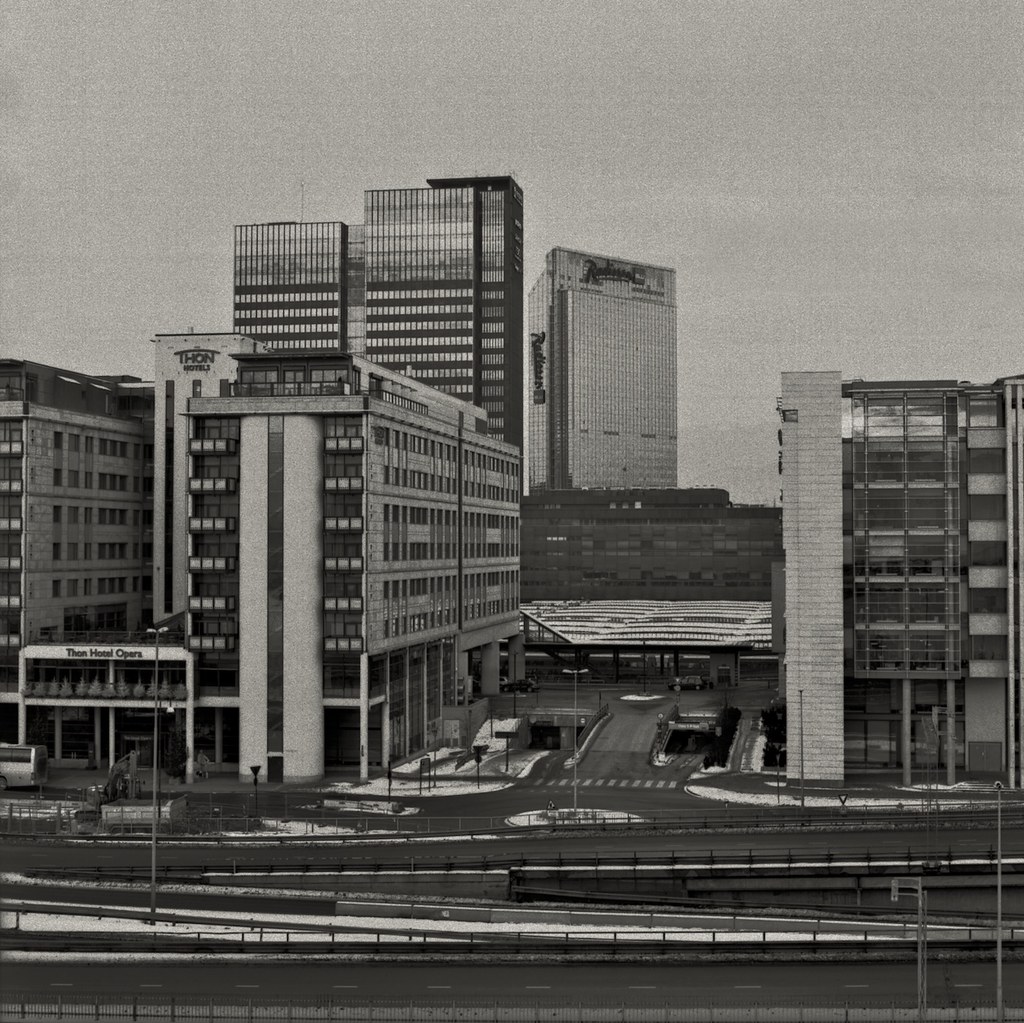
The two tallest buildings in Oslo. EI 1 to 5, Acros 100, Caffenol-C-M 12min @ 20C

Self portrait. In shadow, so EI probably 5-10 somewhere,Acros 100, Caffenol-C-M 12min @ 20C
In fact I rather like the first picture, the gritty look is becoming and suits the subject material. I´ll be printing this one once I´ve got a darkroom going.

Saturday, 22 January 2011

Acros 100, the long route

I´ve been trying to test Acros 100 for ages now. But for some reason a compound of non-related issues has prevented me from doing so. First my Mac decided to have a disk crash, so scanning any negatives was a no go. Then the camera that I´ve come to rely on felt it needed a hiatus, the shutter giving in. First intermittently, then more or less all the time; ruining three rolls of Acros in the process.

Finally though I´ve been able to both expose, develop and scan enough Acros negatives for form an opinion. It rocks! Its even more fine grained than TMX, though I think I still might prefer TMX midtones. Its pushes very well, but funnily enough it pulls even better. I know, since the shutter stuck I have a host of negatives overexposed by at least 5 stops, probably more. Boy are they dense, but some are scannable on my lowly Epson V500, resulting in very heavy grained images - but not without some merit. More on that later.

Acros 100, rated at EI 200 for the most part. Developed in Caffenol-C-M (C-H without the bromide remember) for 12 minutes @ 20C.


Acros 100, EI200, C-C-M 12min @ 20C, taken with Flexaret Vb

Acros 100, EI200, C-C-M 12min @ 20C, taken with Flexaret Vb

Acros 100, EI200, C-C-M 12min @ 20C, taken with Kowa Super 66

I´ve also tested EI 50-80 and up to 15 minutes @ 20C, and they work just as well. Acros is almost as robust as TMX when it comes to exposure and development latitude.