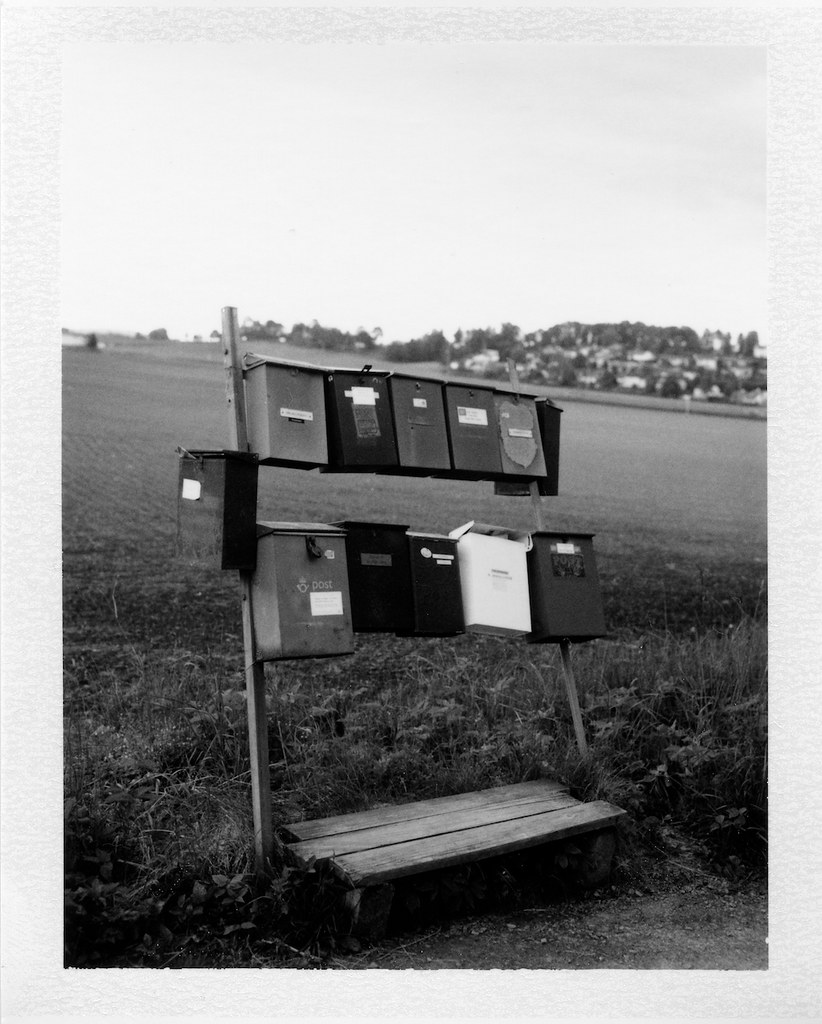
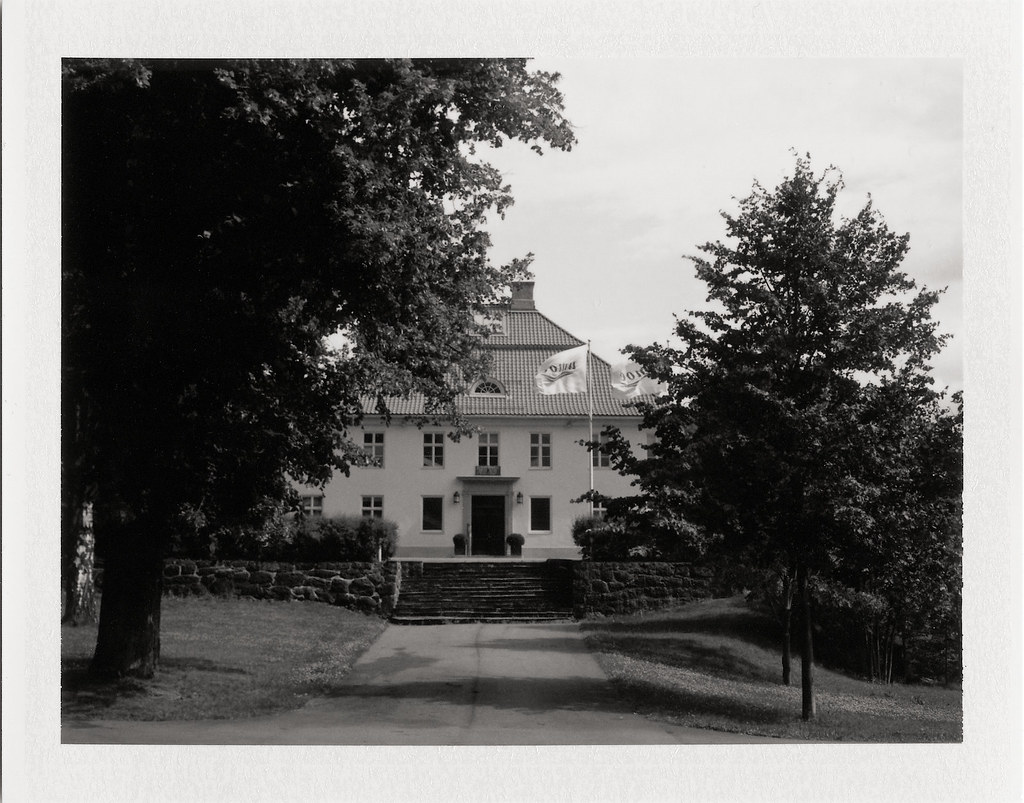
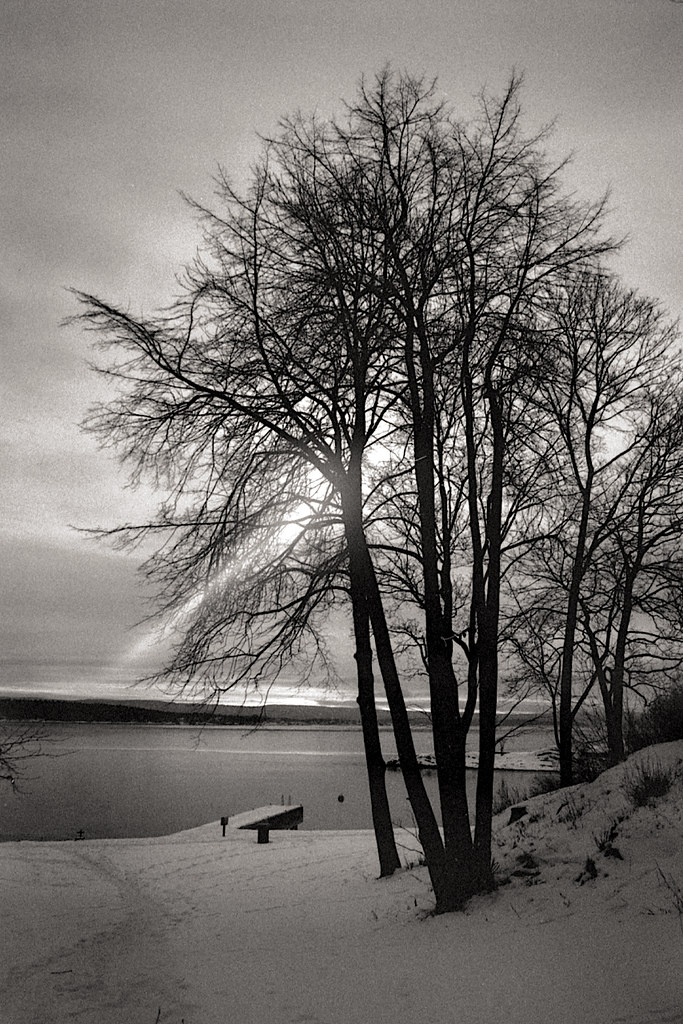
Visit my new blog

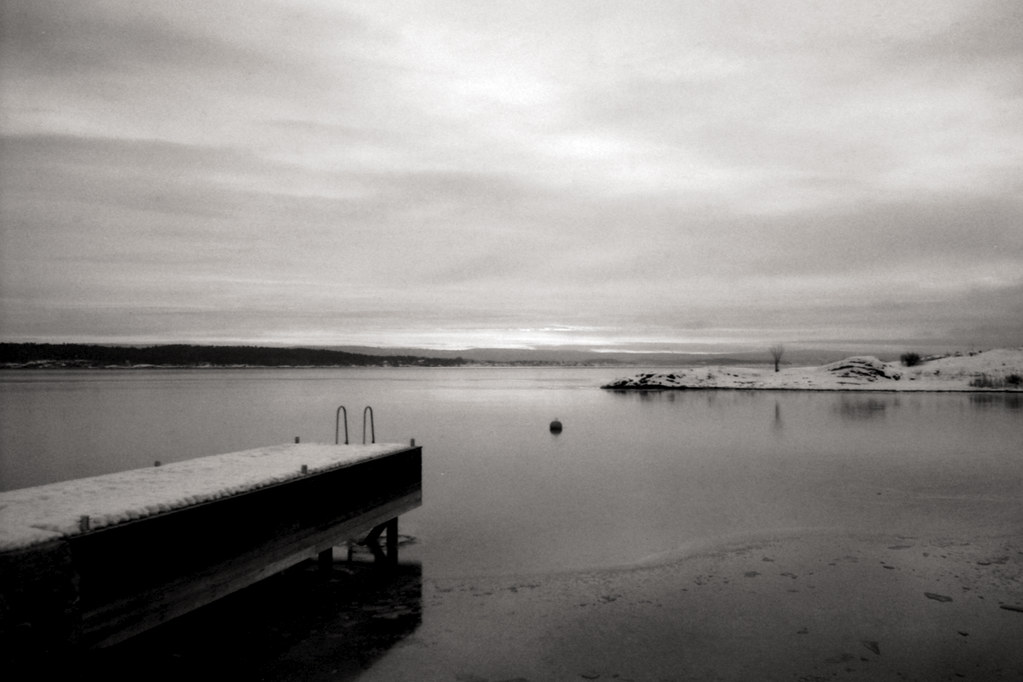
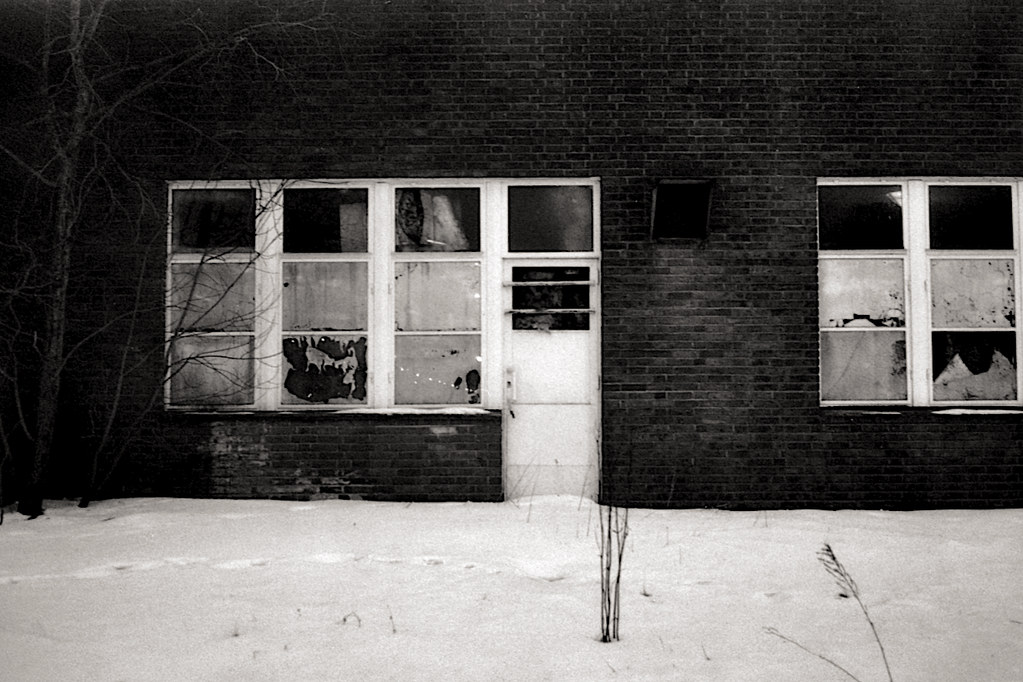
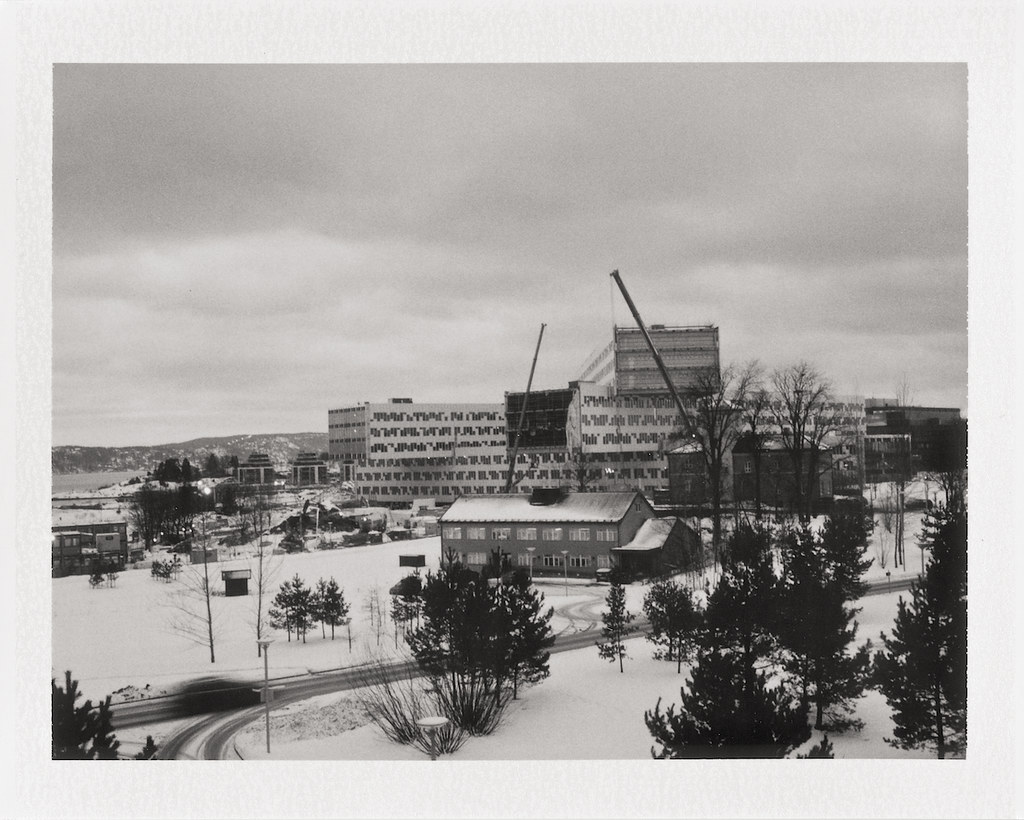
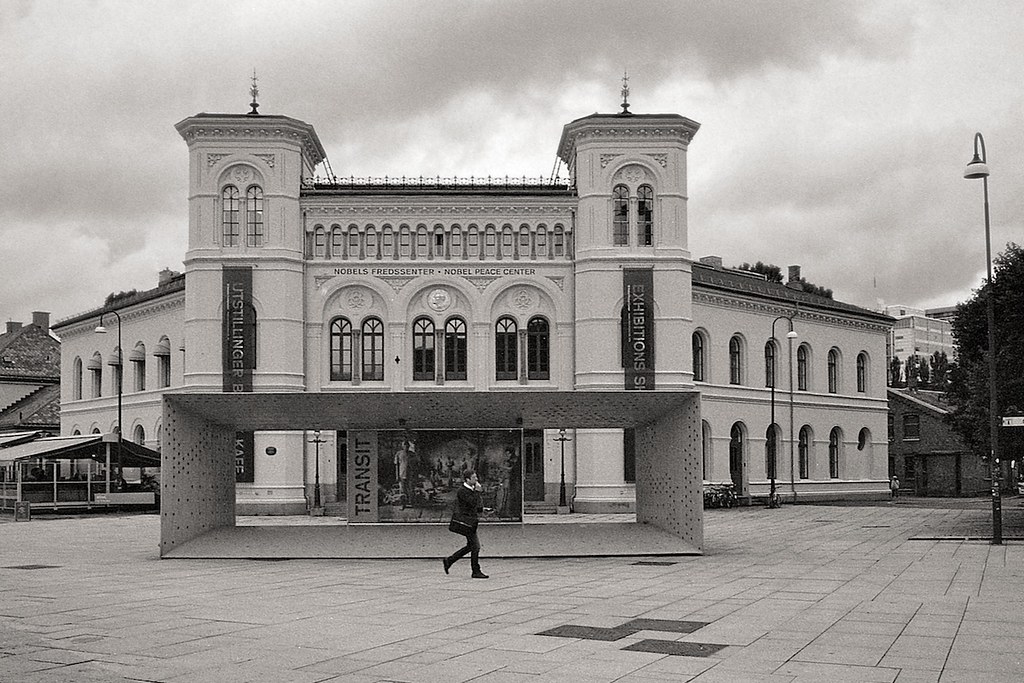
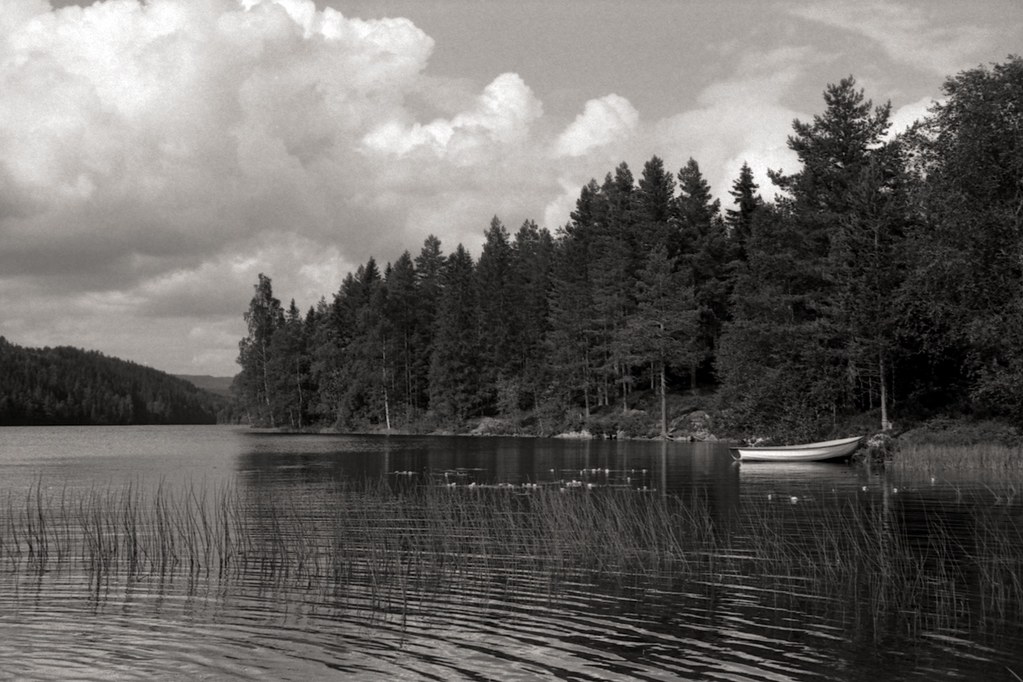
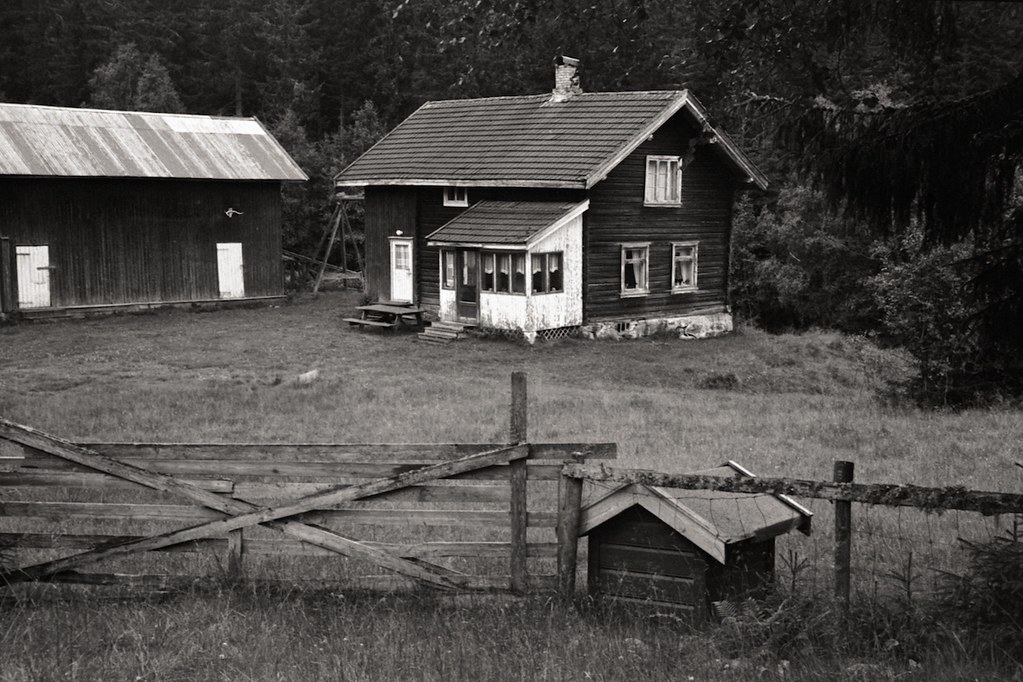
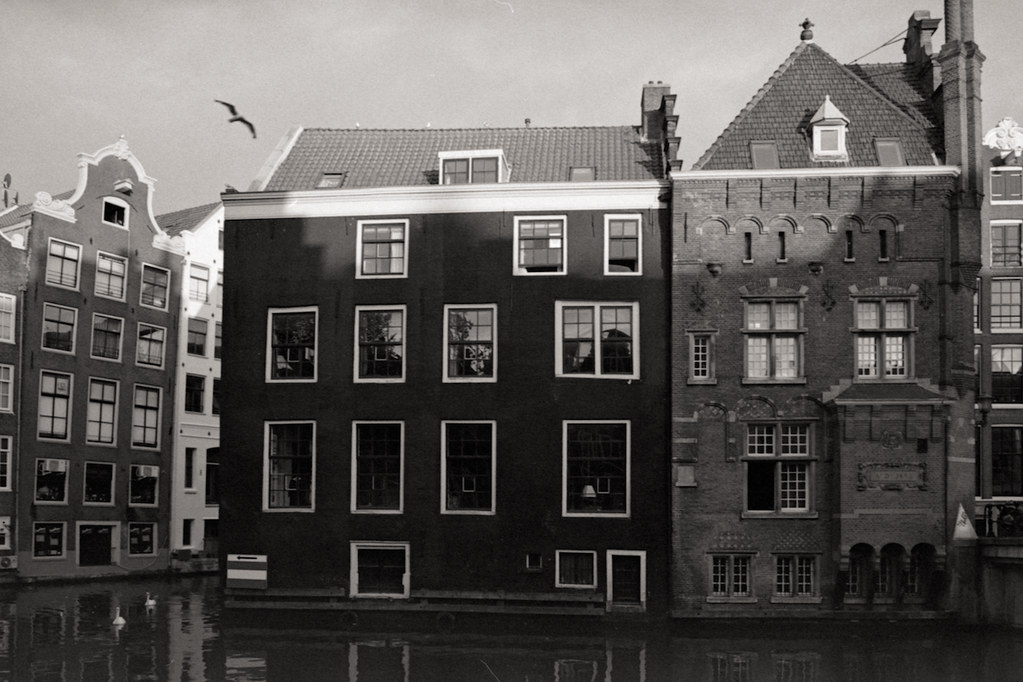
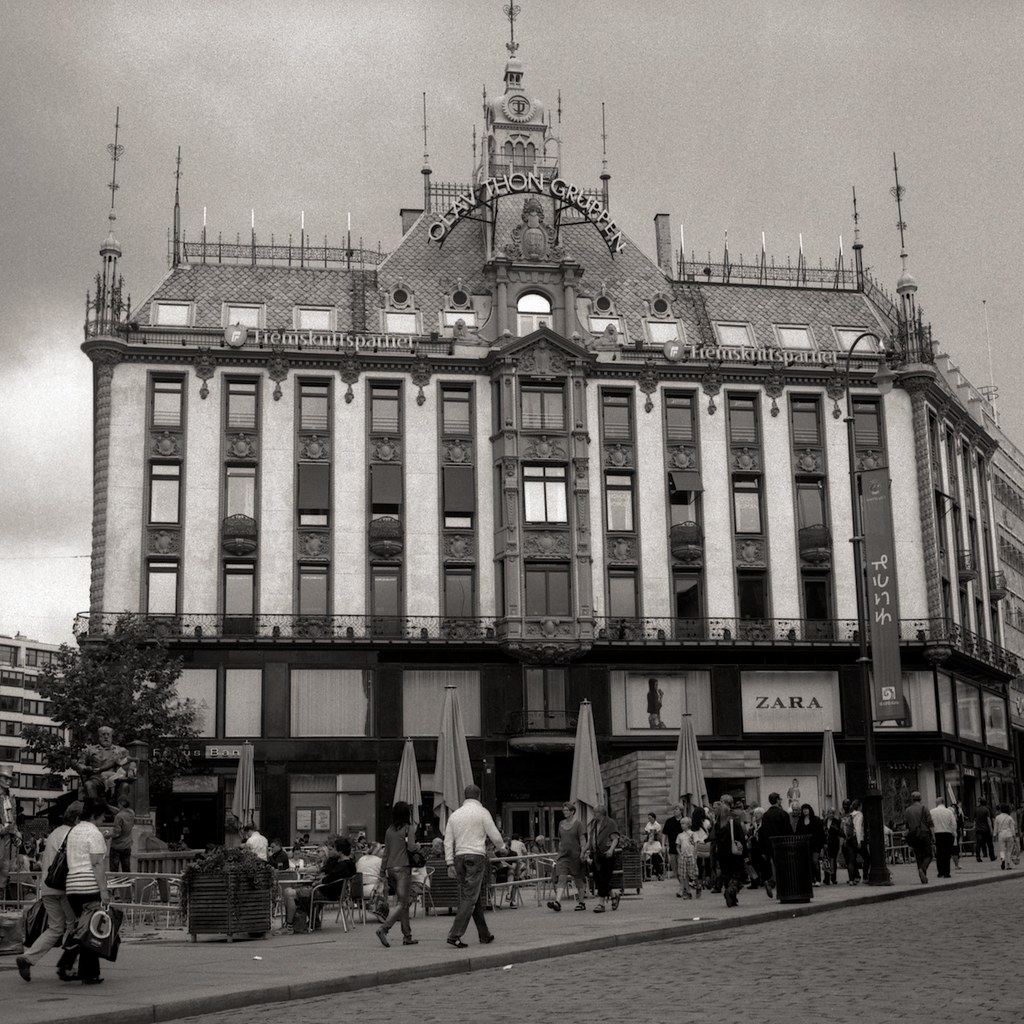
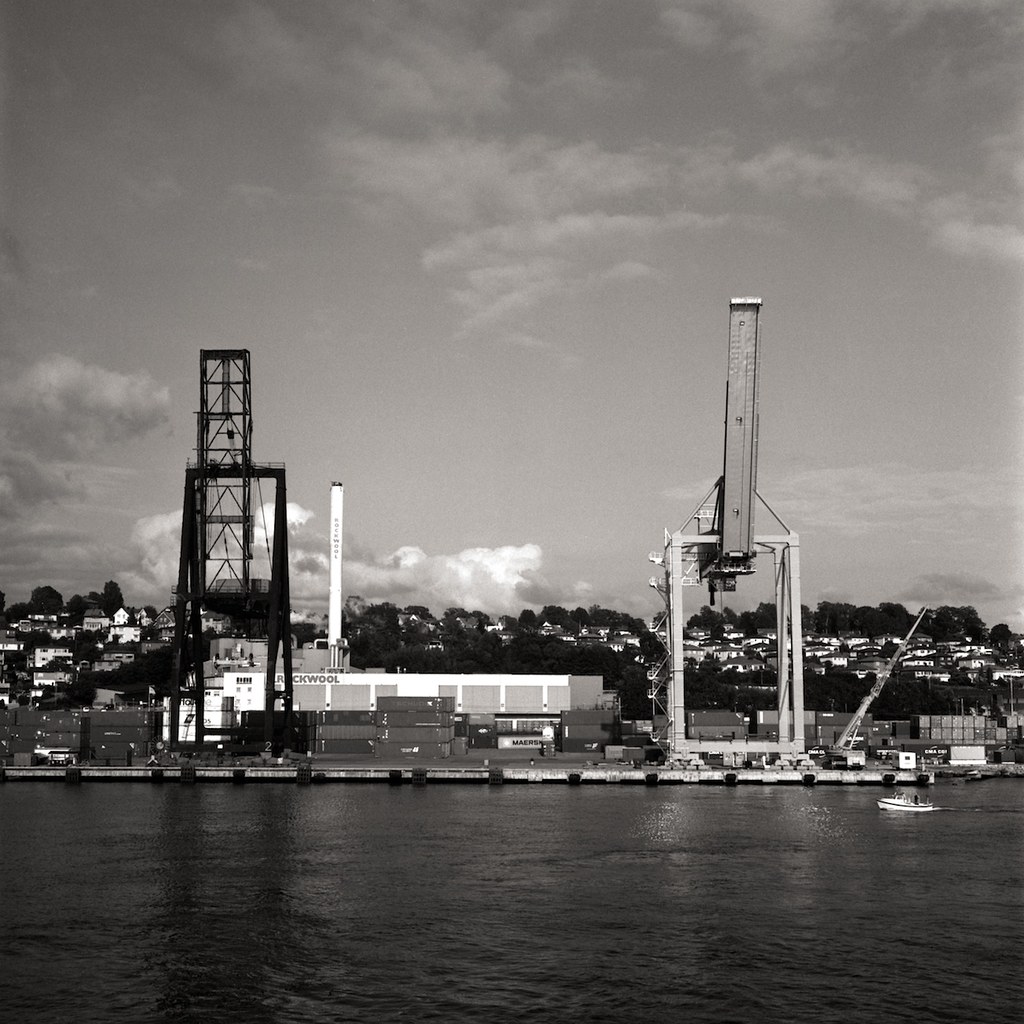
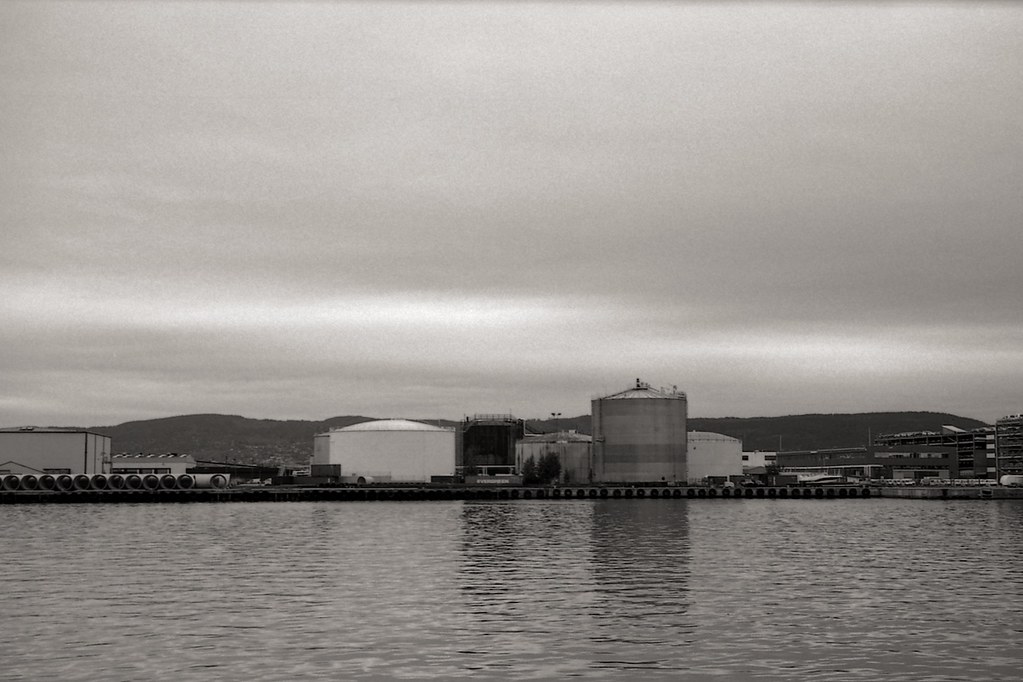
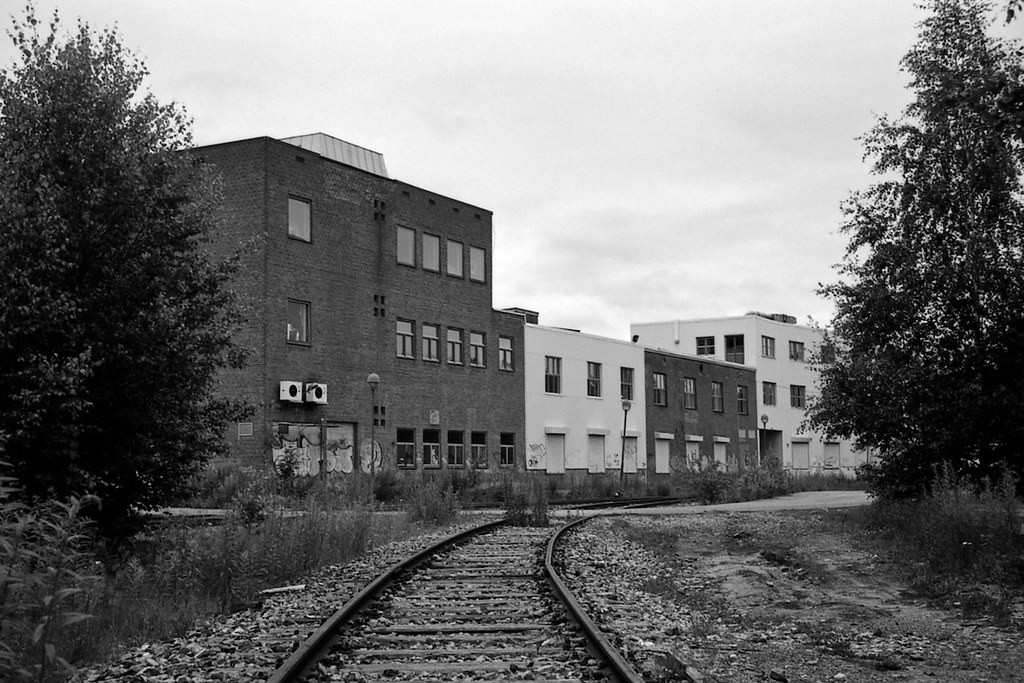
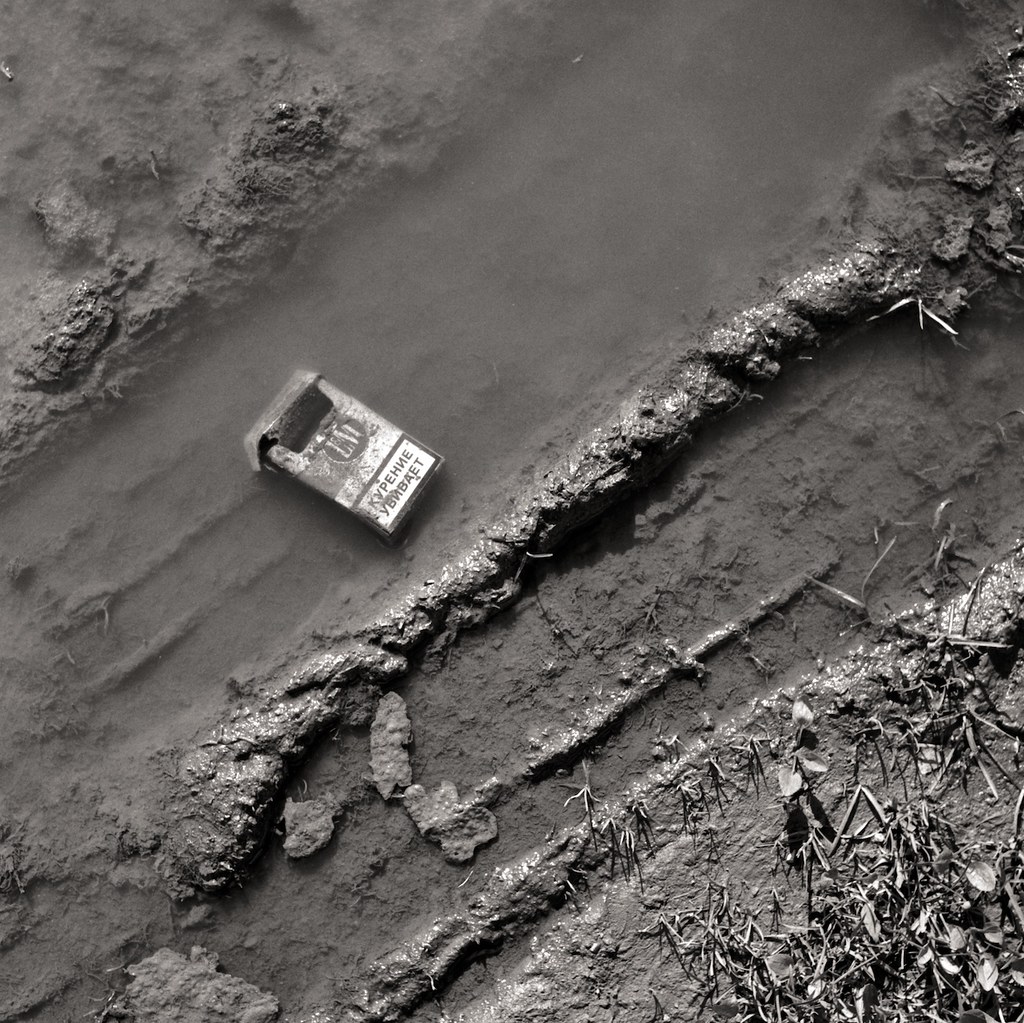
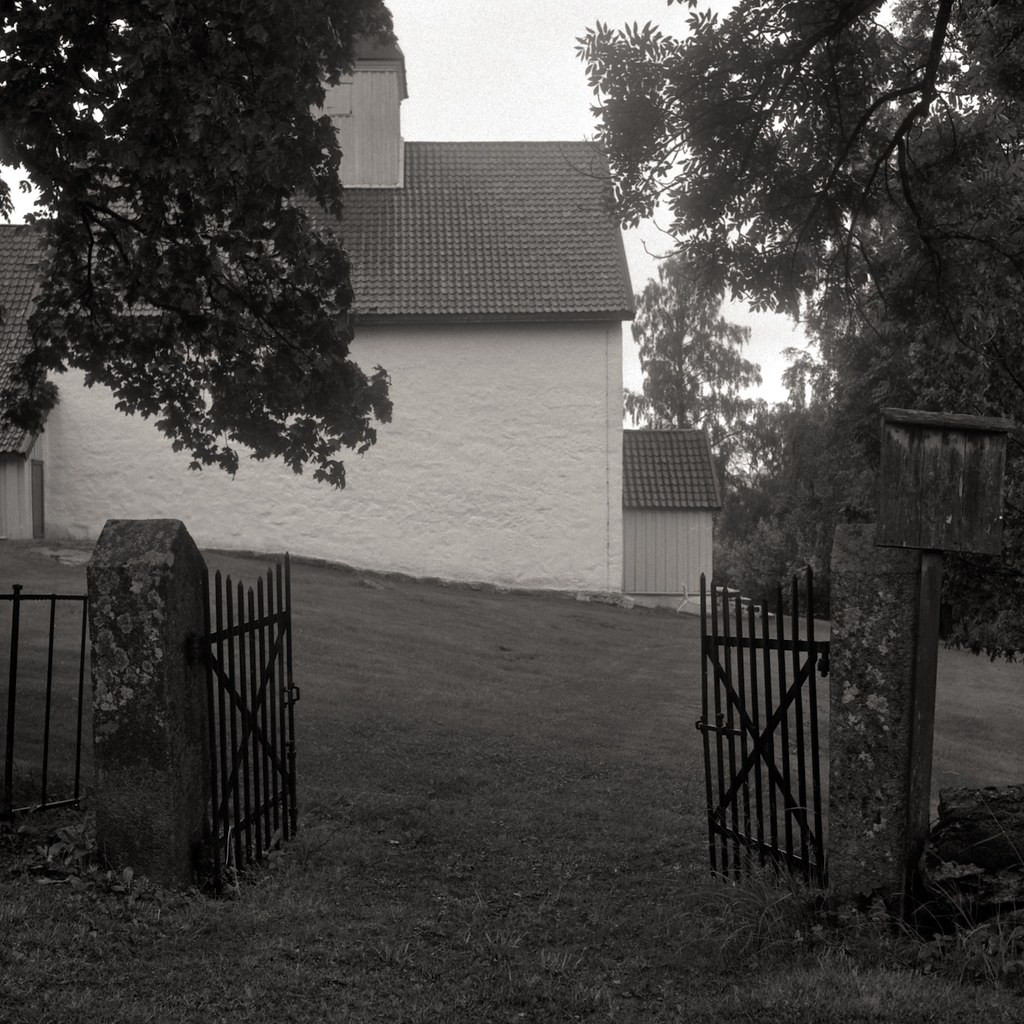
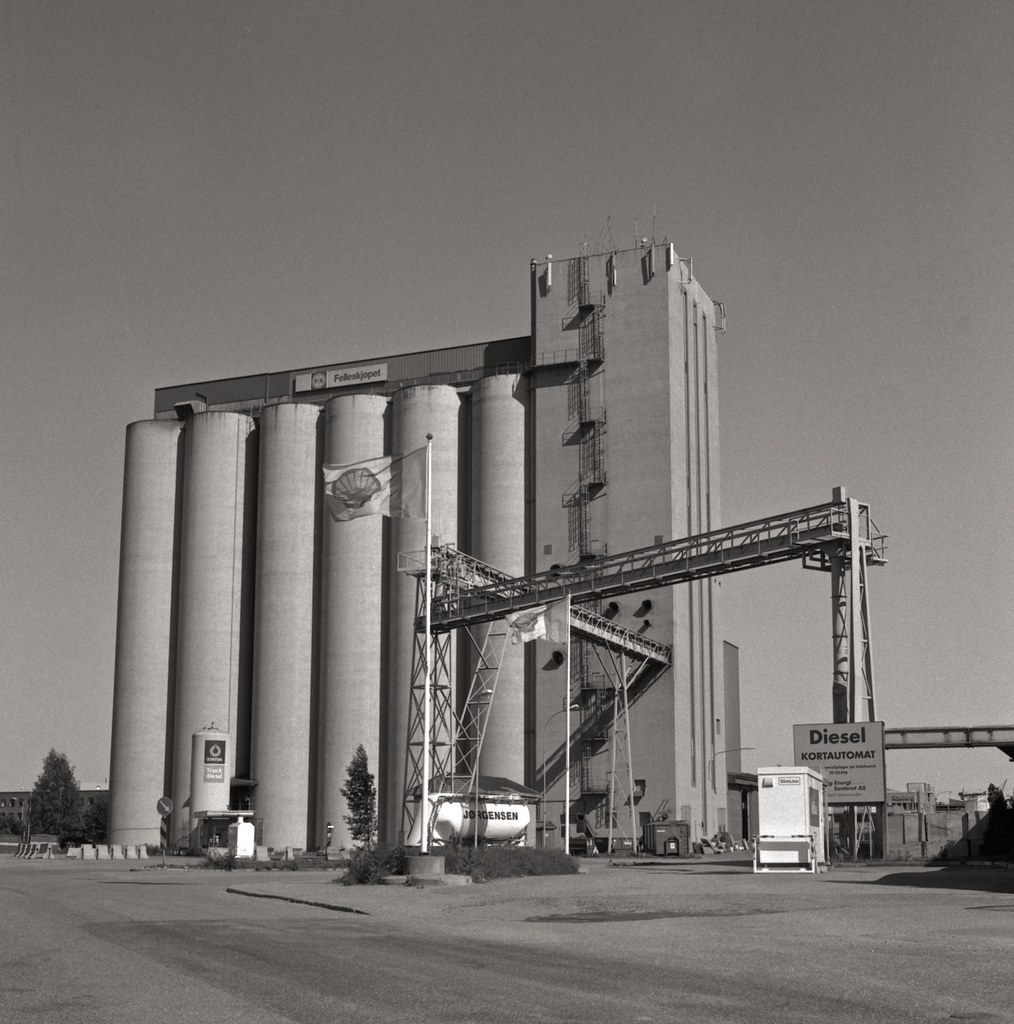
I´ve decided to split my blog in two. I will continue to post DIY projects and musings here, but (serious) pictures, taken on film of course, will be posted in my new blog "Silver Halides"

I now consider Caffenol to be a developer like any else. As such the new blog will focus more on the pictures, rather than the process.

Thursday, 30 August 2012

Lucy the hybrid 120 roll film adapter

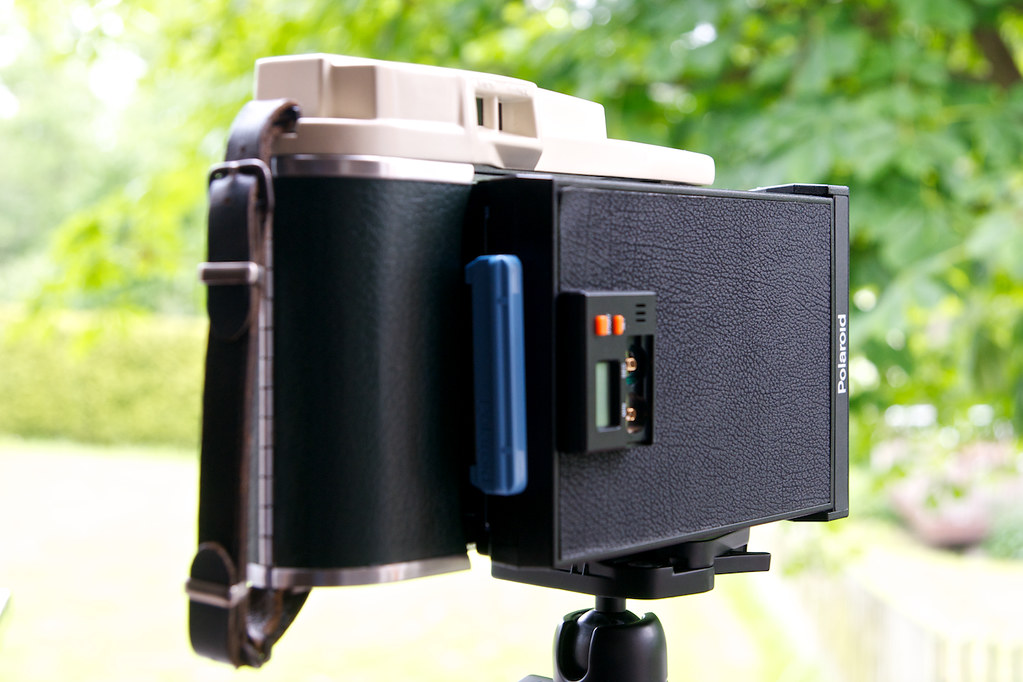
I´ve been having way too much fun with the 600SE converted 110A. With two CB-103 pack film backs I am equipped for any Polaroid occasion. One loaded with FP100C, the other with FP100B or 3000B. I like it so much I thought I would convert a 120 rollfilm back to mount on the camera too. Who would have thought it, the 110A a system camera?

The two main parts needed is of course a roll film back. I chose the Graflex 23 6x9 for its size, the Mamiya type backs may be better, but they would obscure the viewfinder. And you also need the mounting plate for a 600SE. On one of my CB-103 backs I measured the distance from the mount face as it meets the camera, and the film plane (I inserted a used film pack) and measured the corresponding distance with the Graflex taped to the mounting plate. 3,2mm needed shaving off somewhere. It can´t be done on the Graflex, there isn´t enough material to grind off. So I took a Dremel to the mounting plate and after a couple of hours had ground out enough for the Graflex to fit.

I then made a skirt and glued it to the Graflex in order to mate it to the mount. Painted black and applied light sealant before screwing the two halves together.

The parts, some tools and a cup of Livanto Lungo. Skirt seen to lower right.
It fits around the edge of the Graflex, glued 3.2mm from the face it
forms a lip enabling mounting to the adapter plate

The 600SE mounting plate, or adapter. 3.2mm has been ground out
from the right edge and just beyond the left edge of the light opening. Width
as for the Graflex back, not much more than the breadth of the opening top to bottom.

Lip glued to the Graflex, allowing the back to fit into the depression
in the mounting plate. Then screwed to the mount. Flocked all round.

As seen from the mount face

Mounted on the 110A
Edit: It works! From the first roll through the back. Another first (will make a separate post regarding the film used), Portra BW400CN in Caffenol-C-H (RS)

Polaroid 110A/600SE, Portra BW400CN, Caffenol-C-H

Wednesday, 6 June 2012

Polaroid Pathfinder 110A brought back to life

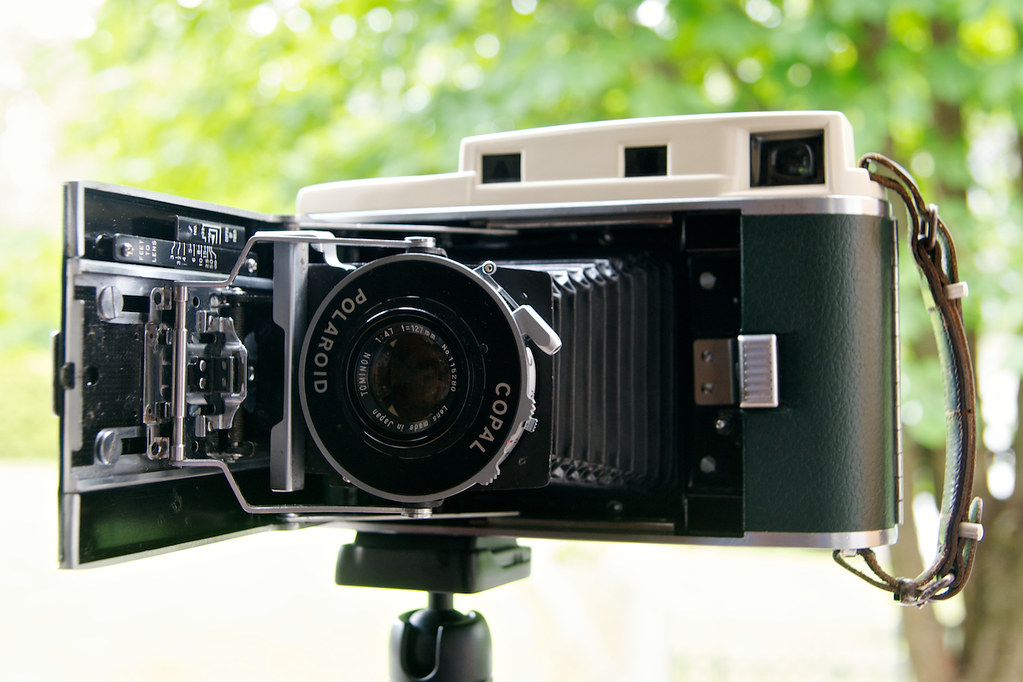
A friend sent me an old 110A, believing I could revive it to actually taking pictures again. I pondered on many 4x5 conversion solutions, ending up looking long and good at Noah Schwartz´low profile back, very slick. However, after browsing Nate's (Option8 fame) creations on flickr and polaroidconversions.com, I ended up taking an easier route, grafting a Polaroid 600SE back adapter to the 110A, making it almost as versatile as anything with a Graflok back, only slightly smaller Can now mount just about anything up to 6x9 in 120/220 with the right adapter, not to mention Polaroid backs (like the CB103 pack film back on her now), and even 4x5 (though not covering the frame completely).
The hardest part was manufacturing the adapter plate. I made one that both functions as a mount for the adapter, but is also the side wall of the camera (where the end has been chopped off). The film plane has as a result of the plate and the 600SE adapter been moved back an inch or so, so the end stop for the lens has been moved back correspondingly.

The camera was a bit worse for wear, so she´s been given a good going over. The Ysarex in Compur #0 shutter was a bit gummed up, so exchanged for a Tominon in Copal #1 press shutter. Needed to widen the mount for that. I recovered her in Cameraleather green composite leather (comes in sheets). The top cover has been chopped too, filled, sanded and painted cream. I think she looks quite nice.

Polaroid 110A w/600SE back adapter - front view Tominon 127mm f4.7 in Copal press shutter


Polaroid 110A w/600SE back adapter - front view Tominon 127mm f4.7 in Copal press shutter
You can see the end of the camera has been chopped


Polaroid 110A w/600SE back adapter - rear view with CB103 back attached


Polaroid 110A w/600SE back adapter - rear view with CB103 back attached


Polaroid 110A w/600SE back adapter - rear view 600SE adapter

Tools used? A Dremel with both cutting disks, and grinding heads comes in handy, set of small screwdrivers, emery cloth and sanding paper (120, 240, 600 and 1200 grit), drill and drill bits, pliers, hack-saw and scissors.

Materials and parts? 110A of course, Polaroid 600SE adapter, CB103 back, (in my case a Tominon in Copal shutter due to iffy shutter on the Rodenstock Ysaron), 1.5mm sheet aluminium (for adapter plate), Cameraleather.com Composite leather covering, paint (cream semi gloss and flat black), Epoxy glues and filler, Sugru, Light sealing material and 3mm machine screws

2012-07-02 UPDATE:

And work it does:

Lucy the 110A/600SE Hybrid - Fuji FP 3000B

Lucy the 110A/600SE Hybrid - Fuji FP 100B

Monday, 21 May 2012

PolyPan F and C-C-M

Luck would have it that I was given 10 or so rolls of 135 PolyPan F (evidently an Ilford cine film, 50 ASA with little or no anti-halation layer). Using input from fellow Caffenol experimenters on Apug and Flickr I went ahead and exposed two rolls at ISO 100, and developed in straight Caffenol-C-M, for 16 minutes at 20C. One roll agitated as usual (12 inversions first minute, 3 every top of the minute thereafter), the other agitated as usual until the 12th minute, then let stand.

Can't say I could see any difference between the two. Both were a tad over-developed. And rather grainy too. Though nothing to have a nervous breakdown over. Notice the halo effect around strong light sources, due to the lack of anti-halation layer.


PolyPanF, EI100, Caffenol-C-M, 16minutes, Leica M4-2 and VC Ultron 28 f1.9
 
PolyPanF, EI100, Caffenol-C-M, 16minutes, Leica M4-2 and VC Ultron 28 f1.9

PolyPanF, EI100, Caffenol-C-M, 16minutes, Leica M4-2 and VC Ultron 28 f1.9
PolyPanF, EI 100, Caffenol-C-M, 16minutes, Leica M4-2 and VC Ultron 28 f1.9
I think this film has potential. These examples were rather strong in contrast, and needed a bit of work in post processing after scanning. Others have had better luck than I. Probably because they haven't pushed the film. Evidently it doesn't take to well to pushing. Next rolls will be exposed at EI 50 and developed for maybe 12 minutes. Or maybe 14 minutes, and semi-stand (agitate as normal until 8 minutes or so, then let stand - might need a spot of KBr for that - avoid streaking). We'll see.

Sunday, 5 February 2012

Polaroids - yes instant film

I´ve recently started trying out instant pack film. Though Polaroid no longer make film, others do. Fuji make pack film for 4x5 and the 100 type film (3 1/4" x 4 1/4"). The Impossible project make another variant of films for the 600 type cameras including the SX-70 family and for Polaroid backs (for a number of MF cameras - the 600/600SE pro cameras amongst others).

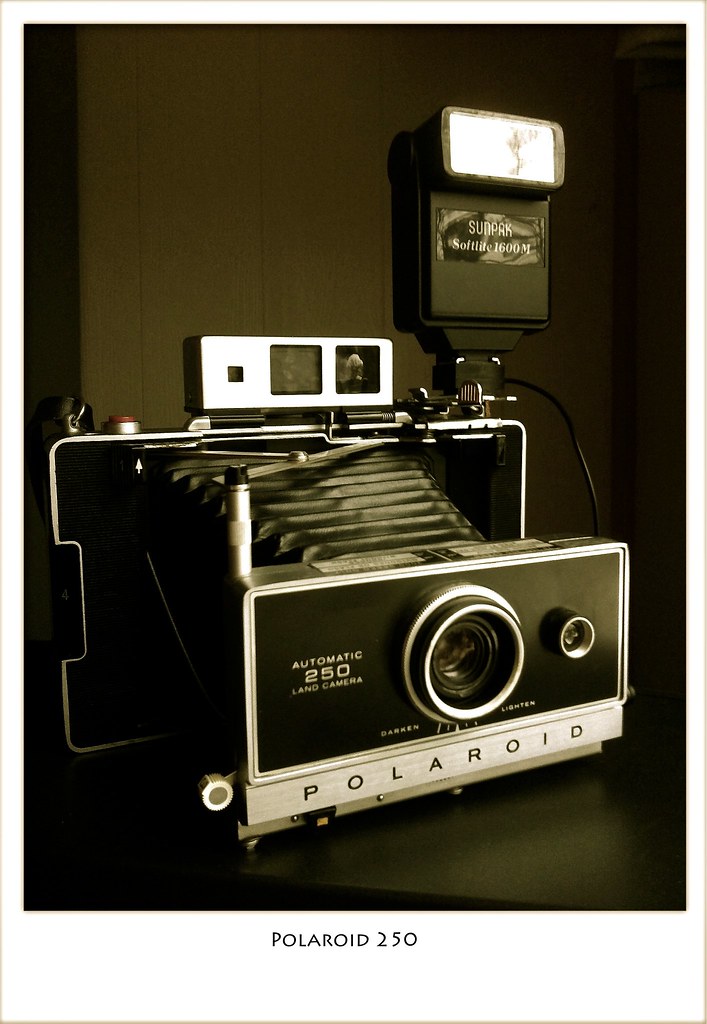
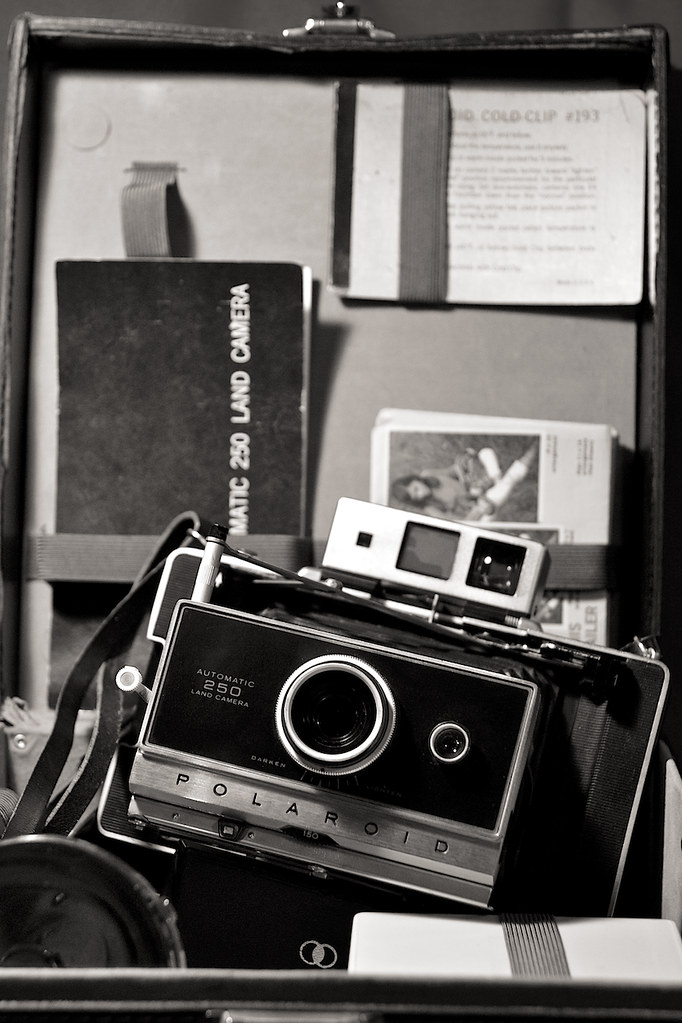
I blame Michael Raso at the Filmphotographyproject.com for this, its his fault and his alone ;-) He´s an advocate for all things Polaroid. Making a long story short I got hold of a Land Camera 250 in original case with #268 M3 bulb flash and portrait lens kit. I first converted the camera to use 3xLR03/AAA batteries instead of the arcane #531 4.5V battery. I then removed the #268 flash from its mount and screwed on a hot shoe with PC sync chord. I can now use the kit with any electronic flash I choose. So far I´ve used the Sunpak 1600M, but due to limited output I will be trying out an SB26 instead. What about M vs X sync you say? And you would be right. The X sync flash should have finished it´s cycle when the M sync shutter opens making the flash redundant, but for some reason or another it works.

This is what the camera looks like:
With Sunpak 1600M
With case and accessories

It´s winter and for the most part not much daylight. So Fuji´s FP3000B B+W film has been put through its paces. At 3000 ASA, it can be used both indoors and out handheld, without flash (at least that´s what the ads say) - even if the Land Camera 250 (and all its automatic brethren) has a max aperture of f8.8). Indeed it does work outdoors in rather poor light, indoors however I´ve been using flash.

Indoors, with portrait kit and Sunpak 1600M
4 TLRs shot with Land Camera 250, FP3000B, Sunpak Flash
Outdoors in overcast low light, adjusted camera to +1 (lighten) exposure
Land Camera 250, FP3000B +1EV

This is fun, lots of fun. Its immediate, yet old school. I´ve ordered more film, including a few cases of FB100C 100ASA colour film.

Background for those unfamiliar with Polaroid pack film Land Cameras, and instant pack film:

The Land cameras are named after their inventor, the Polaroid mastermind Edwin Land. Read up about him, he was a brilliant mind, and one of Steve Jobs´greatest inspirations. He invented not only polarising glass, and founded the Polaroid company, at one time a massive company in any right. He also invented instant film photography. Pack film applies a method where a negative and positive are co-developed. After exposing a frame one pulls the pair out of the camera through a set of rollers which squeezes chemicals out of a sachet and in between the negative and print (positive) and development starts. Wait for a number of seconds and peel the print from the negative and you have a ready image. Its as easy as that. The negative can in some cases (some films) be kept and used for scanning. And others even for regular enlargement printing. The FP3000B B+W negative can be scanned as a negative reflective media, and then inverted in post processing. The TLR picture above is such a scan.

With regards to technical quality Polaroids do not exactly make claim to the top spot. But that is besides the point. Its immediacy is its party trick. I indeed intend to use it a parties and give away the prints, keeping the negatives for scanning.

Good Polaroid film resources: Filmphotographyproject.com , The land list , Jim´s Polaroid Camera Collection , Fuji Film (note that Instax films are not traditional Polaroid type, but another instant technology) and The Impossible Project films

Sunday, 6 November 2011

Some catching up to do

Summer has been about all things not Caffenol, or anything DIY at all. Not had the time nor energy to do much testing. Though a few films have been given the once over.

Those that met with success are:

In 135:
Efke KB100, EI200 in Caffenol-C-M (RS), 14 min @ 20C

Leica M4-2, Voigtländer Ultron 28 f1.9, Efke KB100, Caffenol-C-M (RS)

ERA100 @ EI100, Caffenol-C-M,13:30min @ 20C


Royal 35-M, ERA 100, Caffenol-C-M


Agfa APX 400, Caffenol-C-H, 13min @ 20C


Leica M4-2, VC Ultron 28mm/f1.9. APX 400, Caffenol-C-H

In 120:

Fuji Neopan 400 @ EI400, Caffenol-C-L semistand, 60min @ 20C. Forgot to add bromide, and yet the negatives came out without streaks and the base fog was well under control. Strange.

Kalloflex K2, Neopan 400, Caffenol-C-L

Ilford Delta 400 @ EI800, Caffenol-C-L, 5min presoak, 60min semistand @ 20C

Kalloflex K2, Delta 400, Caffenol-C-L

Lately had a couple of mishaps with Caffenol-C-L. I think I know why. Storing ready mixed solutions for a long time may work with the more concentrated versions, but not for C-L. There you need freshly made solutions, the tolerances are much lower, and any oxidisation or depletion of the substances will have a big effect on the result. C-M/H versions are much more robust to variations in pH.

Wednesday, 6 July 2011

Caffenol-C-L and TMX 135

Have not done much 135 film since I started using film again. Used to large negatives and the lovely results this gives you, I thought I'd try to give the smaller format a fighting chance to prove itself against its bigger brother. For that I brought out low pH Caffenol, the C-L version championed by Reinhold over on the Caffenol.blogspot.com

As before, C-C-L mixed by the book:
16g/l Sodium carbonate
10g/l Ascorbic acid
40g/l Instant coffee
1.25g/l Potassium Bromide

5 minute tempered presoak. Semi stand @20C for 70 minutes. 12 inversions initially, 2 inversions at the 1, 2, 4, 8, 16, and 32 minute markers. Let stand for the duration.

Pictures taken from a test roll through the Royal 35-M, EI100 - no filter.

Drammen Docks, Norway, Royal 35-M, TMX, EI100, C-C-L

Drammen Docks, Norway, Royal 35-M, TMX, EI100, C-C-L


Near Drammen Docks, Norway, Royal 35-M, TMX, EI100, C-C-L
And the results? Quite pleased really. The grain certainly is quite fine, the tones are nice and subtle. Any deficiency in the quality of the pictures is most likely due to my rather puny scanner as much as anything else.

Tuesday, 21 June 2011

Caffenol-C-L - low pH semi stand

I´ve not tried Reinhold´s stand version of Caffenol yet. I´m probably not patient enough to wait for an hour or more for the film to develop, especially since my results with normal agitated development has been quite successful. So far, so good. However a new (old) film has dropped into my life requiring investigation. A fellow Caffenol experimenter has donated a number of films to me, and next on my list is the now discontinued Rollei Retro 400 (a.k.a. Agfa APX 400). I´ve read previously that this film is both grainy (in most developers) and quite  difficult to get good results in Caffenol. If there ever was an opportunity to try out the advantages of the low pH version, often used for slower films like PanF, Adox 25, Efke 25 etc, I  couldn´t think of one. The advertised pros being smaller grain, better tonal range, as in better control over the highlights, better shadow detail, smooth tonal gradation (the list goes on).

Not that these qualities will be unequivocally confirmed once I´ve developed the film, since I´ve not a baseline to which I can compare the results to, the film being new to me. Not to worry, if it comes out OK, it comes out OK.

I read up on different 400 ASA films in Caffenol-C-L. As with other developers they tend to favour slightly shorter development times than ASA 100 films. After a bit of thought I decided to expose at box speed, and develop semi stand for 60 minutes @ 20C.

However, it was a warm evening, and the temperature of the mix slowly rose to 21C before the time was up, so I cut the development short at 56min. The C-L mix is a low pH version with decidedly lower concentrations of both sodium carbonate and vitamin-C (ascorbic acid):

Sodium carbonate: 16g/l (8.6g for a 600ml mix)
Ascorbic acid: 10g/l (6g for a 600ml mix)
Instant coffee: 40g/l (24g for a 600ml mix)
Potassium bromide: 1.2g/l (720mg for a 600ml mix)

You need a restrainer regardless of film when doing stand or semi stand development, or you will get fog. The amount varies according to film and length of development. I guessed and added 1.2g/l potassium bromide.

Semi stand developed, in this case agitated 12 times initially, then three agitations at minutes 2, 4, 8, 15 and 30. Then let stand for the remaining 30 minutes (or 26 as it turned out).

Did the negatives turn out OK? Surprisingly, yes.

Three of the better shots to prove it:
Kalloflex K2, Rollei Retro 400, EI 400, Caffenol-C-L, semi-stand, somewhere in Norway


Kalloflex K2, Rollei Retro 400, EI 400, Caffenol-C-L, semi-stand, Old Skoger Church, Norway


Kalloflex K2, Rollei Retro 400, EI 400, Caffenol-C-L, semi-stand, Drammen, Norway